Shanghai Deep-Fried Pork Chop: Crisp Crust, La Jiang You, and What to Order
A practical English guide to Shanghai deep-fried pork chop, covering its Haipai origins, thin crisp crust, la jiang you dipping sauce, borscht pairing, and ordering tips.
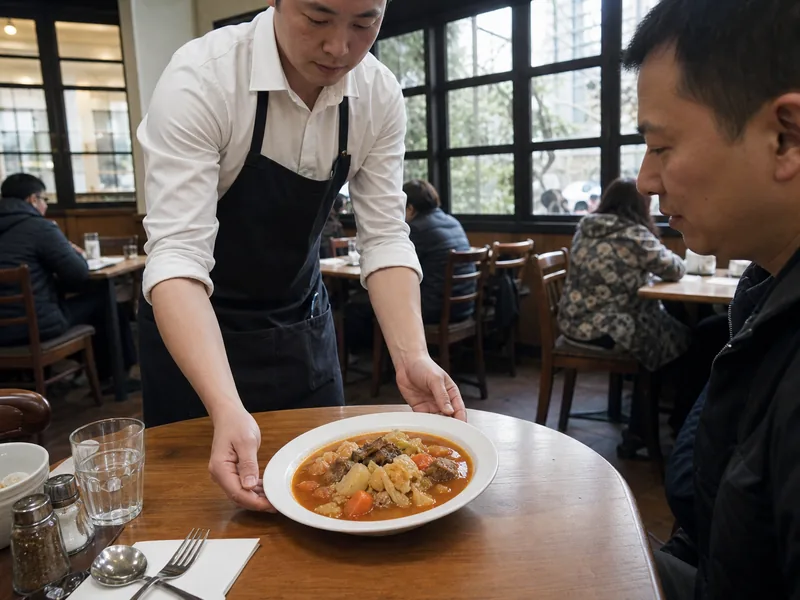
A practical guide to Shanghai-style borscht, covering its tomato-rich broth, beef and vegetables, Haipai history, restaurant variations, classic pairings, and ordering tips.
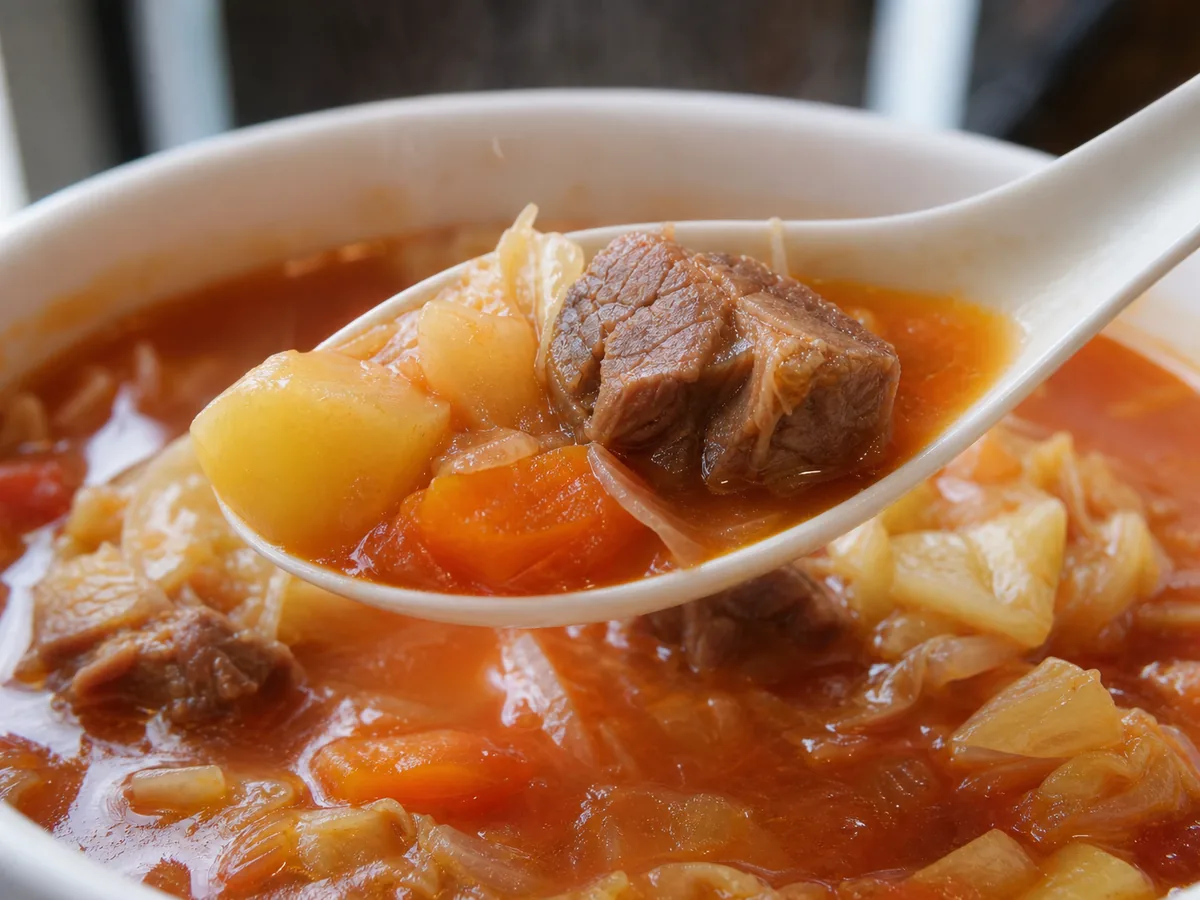
A bowl of Shanghai-style borscht can surprise visitors before the first spoonful. It is red-orange rather than beet purple, and the surface is crowded with familiar ingredients: tomato, cabbage, potato, carrot, onion, and pieces of beef. The flavor is gently sweet and tangy, with enough savory depth to work as the opening course of a meal.
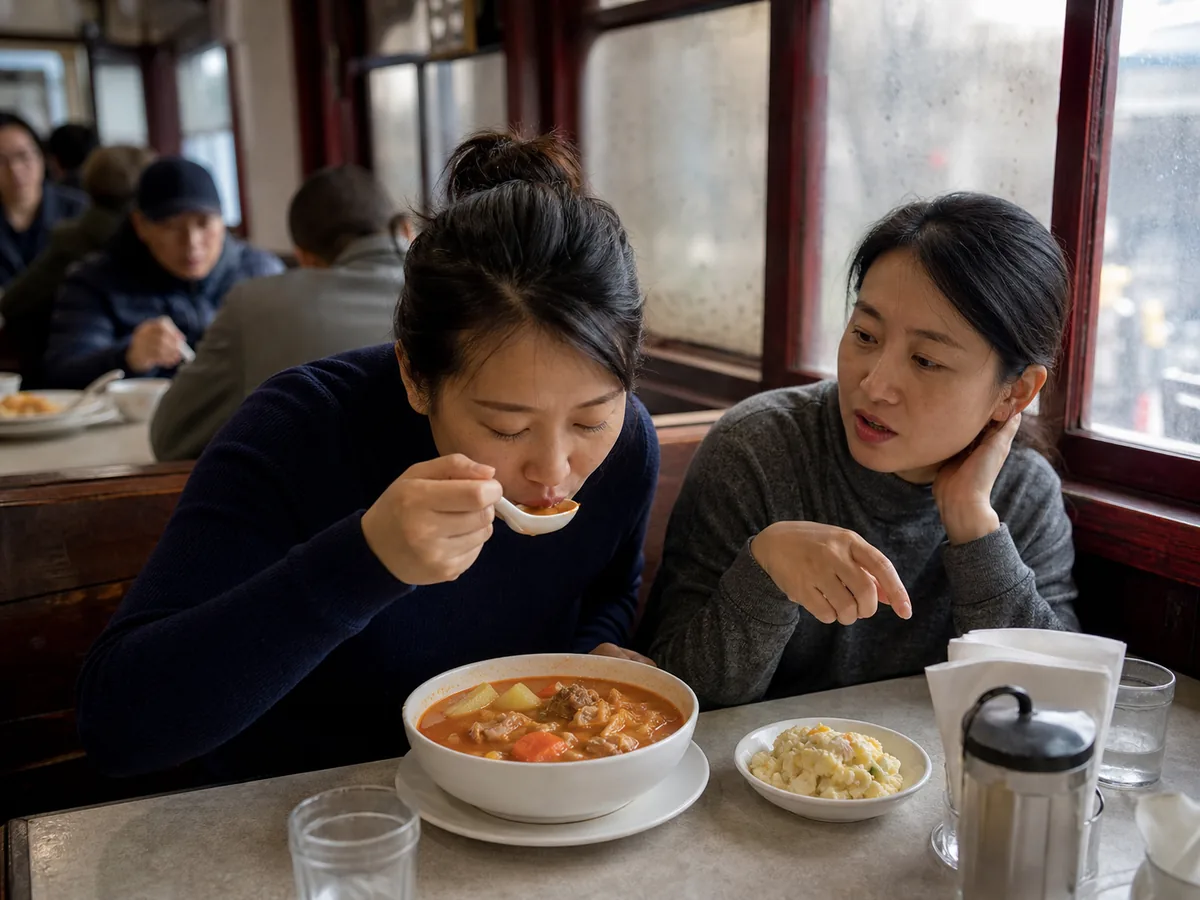
On a Shanghai menu, look for luosong tang (罗宋汤). The soup is part of Haipai cuisine, the local tradition that adapted Western dishes to Shanghai ingredients and eating habits. It is not an attempt to reproduce one fixed European recipe. It is a Shanghai dish with its own history, range of styles, and expected pairings.
Many diners associate borscht with beetroot, a deep ruby color, sour cream, and dill. Those are poor visual clues for the familiar Shanghai version. Luosong tang usually gets its color and acidity from fresh tomato, tomato paste, or both. Cabbage gives the soup sweetness and body, while potato and carrot make the bowl filling.
The Shanghai municipal government's English food coverage describes tomatoes as essential to the city's borscht and highlights a version simmered with beef. Individual restaurants may adjust the proportions, thickness, and seasoning, so not every bowl looks identical. The shared identity comes from tomato-led broth, softened vegetables, and a mild sweet-sour balance rather than beet flavor.
Luosong is the long-used Chinese name associated with Russian-style food. As Western restaurants developed in Shanghai, cooks worked with ingredients that were available and flavors that local diners enjoyed. Tomato and cabbage became central, and the soup gradually settled into the repertoire of Shanghai-style Western restaurants and home kitchens.
This process also explains why arguing over a single "authentic" recipe is not very useful. A nostalgic restaurant may serve a smooth, lightly thickened broth. A home-style bowl may be looser and contain larger vegetable pieces. Some versions emphasize beef; others use relatively little meat but still rely on beef stock.
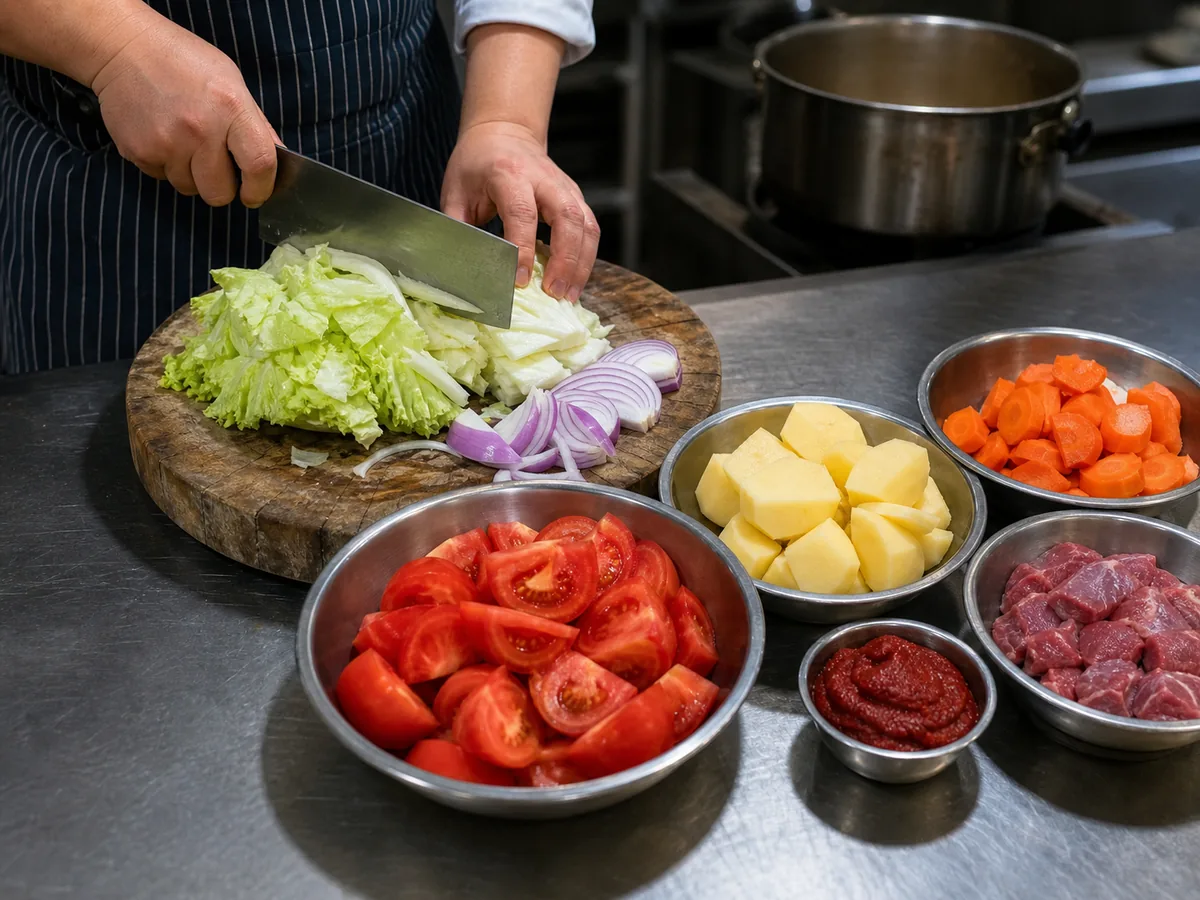
The most recognizable combination is tomato, cabbage, onion, potato, carrot, and beef. The vegetables are usually cut into spoon-friendly pieces and cooked until tender. Some kitchens add celery, use a little butter, or thicken the broth with flour. Others deepen the color with more tomato paste or add a small amount of Worcestershire-style sauce.
These variations can all fit the style, but the ingredients should still make sense together. The broth should coat a spoon lightly rather than sit like a heavy gravy. Beef needs enough time to soften, while potato and cabbage should retain their shape instead of dissolving into an indistinct puree.
One old restaurant may serve a beef-forward soup with a clear tomato edge, while another makes a sweeter, thicker bowl that feels closer to family comfort food. The amount of cabbage has a large effect: more cabbage softens the tomato acidity and gives the broth a natural sweetness. Extra tomato paste creates a deeper color but can taste flat if it has not been cooked properly.
Thickness is not a simple quality ranking. A slightly thickened soup can hold the vegetables together and feel especially comforting in cold weather. A lighter version can taste cleaner beside fried food. What matters is balance and whether the restaurant has cooked the tomato, beef, and vegetables long enough to taste connected.
Shanghai borscht is closely associated with the city's deep-fried pork chop. The pairing works for practical reasons: tomato acidity and warm broth relieve the richness of the breadcrumb crust, while the pork chop gives the meal a crisp texture that the soup does not have. Potato salad is another old Haipai companion, although ordering all three can be substantial for one person.
For two diners, one bowl of soup each and one pork chop to share is a useful starting point. If you want a larger table, add contrast rather than more heaviness. A cool plate of Shanghai kaofu brings a porous, soy-braised texture, while crystal shrimp provides a cleaner and more delicate main.
Luosong tang is tomato-led, gently sweet-tangy, and connected to Haipai restaurants. Yanduxian is a very different local soup: pale, deeply savory, and built around fresh pork, cured pork, bamboo shoots, and tofu-skin knots. Choosing between them is less about which is more "Shanghai" and more about the meal you want.
Order luosong tang with fried or Western-style dishes, especially when you want acidity. Choose yanduxian for a shared Chinese meal where the broth itself is a central savory course. A light Shanghai wonton soup is better when you want a smaller breakfast or snack rather than a restaurant starter.
Ask for luosong tang, pronounced roughly "luo-song tahng," or show the characters 罗宋汤. English menus may use "Shanghai borscht," "Russian soup," or simply "borscht." If the menu photo shows a tomato-red soup with beef and vegetables, it is likely the Shanghai style even when the translation is broad.
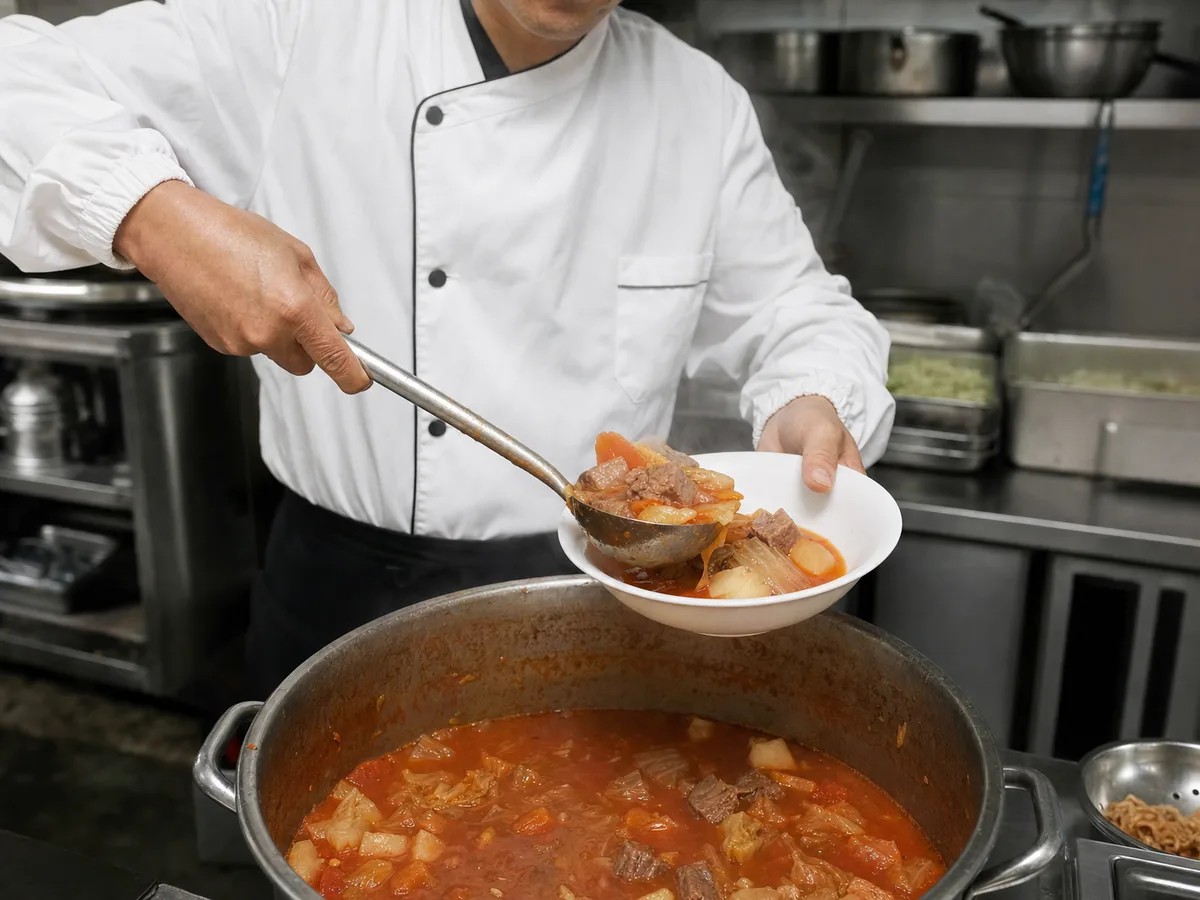
Portion size varies. Some restaurants serve a small individual cup, while others use a deeper soup bowl that can be shared as part of a multi-course meal. Before ordering several sides, ask whether the portion is for one person. Eat it hot, and stir once from the bottom so the heavier beef and potato pieces are distributed through the broth.
A vegetable-heavy appearance does not mean the soup is vegetarian. Beef pieces, beef stock, butter, or other animal fats may be present. Flour may be used as a thickener, and Worcestershire-style or commercial tomato sauces can introduce additional ingredients. Ask the restaurant directly if you avoid beef, dairy, wheat, soy, fish-derived seasonings, or other allergens.
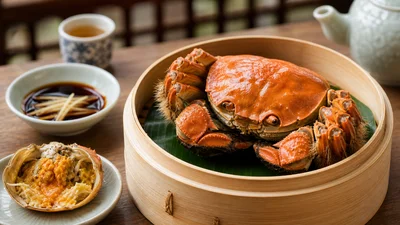
Shanghai hairy crab is a seasonal crab specialty served with ginger vinegar and small tools, with autumn matu…
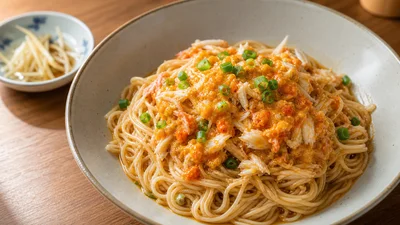
Shanghai crab roe noodles are rich seasonal noodles topped with crab roe and crab meat, best mixed carefully…
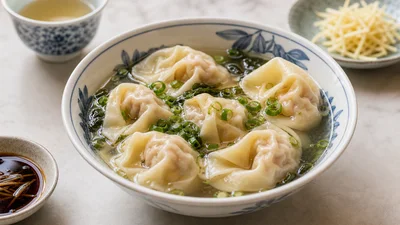
Shanghai wontons are soft folded dumplings served in clear broth, from tiny breakfast wontons to larger pork…
Comments (0)