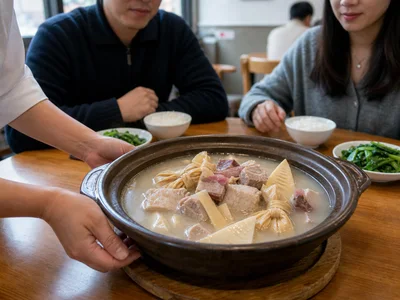
Shanghai Yanduxian Soup: Salted Pork, Fresh Pork, Bamboo Shoots, and Tofu Knots
A practical English guide to Shanghai yanduxian soup, covering fresh and cured pork, seasonal bambo…
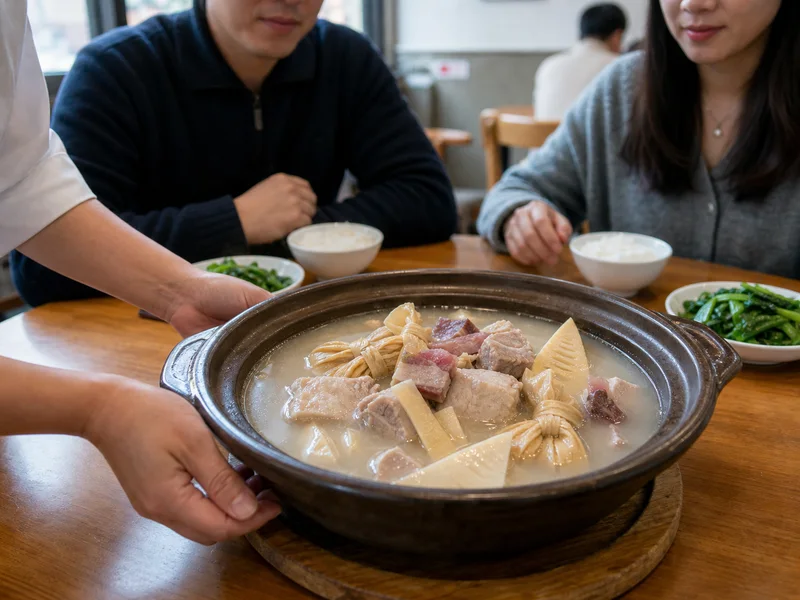
Shanghai yanduxian is a slow-simmered soup of fresh and cured pork, bamboo shoots, and tofu-skin knots in a pale savory broth.
Shanghai yanduxian is a slow-simmered pork and bamboo shoot soup associated with the Jiangnan region and especially welcome when fresh shoots are in season. Its flavor comes from combining cured pork with fresh pork, then letting bamboo shoots and tied sheets of tofu skin cook in the same pale, deeply savory broth.
The soup is substantial enough to anchor a shared meal, but it is not supposed to feel like a thick western stew. This topic helps visitors understand the name, identify the ingredients, judge the broth, and order a sensible portion for the table.
Yan refers to cured or pickled pork, du is a Jiangnan expression for slow simmering over gentle heat, and xian points to freshness and savory depth. The name describes the dish's central contrast: preserved pork supplies salt and maturity while fresh pork gives the broth a softer meat flavor.
Common Shanghai versions include fresh pork, salted pork or ham, bamboo shoot wedges, and tofu-skin knots. The shoots should remain tender with a slight bite, while the knots absorb broth without falling apart. Family and restaurant recipes vary, so napa cabbage, lettuce, egg dumplings, or glass noodles may also appear.
Fresh spring bamboo shoots give yanduxian its strongest seasonal identity, although restaurants may offer a winter-shoot version or use other shoots outside spring. Compared with Shanghai wonton soup, yanduxian is meatier and intended for sharing. Compared with red-braised pork belly, it is lighter in color and built around broth rather than a soy-sugar glaze.
A good pot should smell of pork and bamboo rather than added seasoning. The broth can range from pale gold to lightly cloudy depending on the kitchen, but it should not resemble a cream soup. Pork pieces should stay tender, bamboo shoots should keep their shape, and the tofu-skin knots should remain distinct.
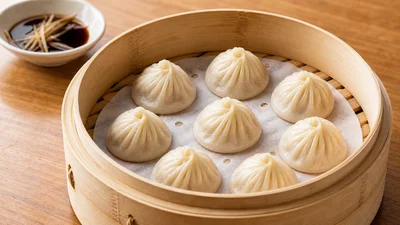
Shanghai xiaolongbao are delicate steamed soup dumplings with thin wrappers, hot broth, pork filling, and a b…
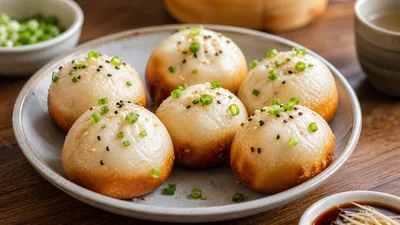
Shanghai shengjian mantou are pan-fried soup buns with soft tops, crisp golden bottoms, sesame, scallions, an…
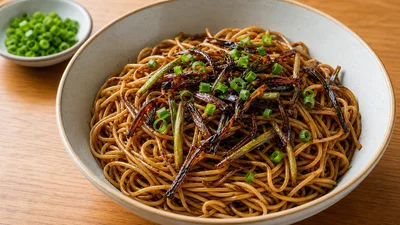
Shanghai scallion oil noodles are thin wheat noodles mixed while hot with fried scallions and soy-based sauce…