Shanghai Crystal Shrimp: How to Recognize Shuijing Xiaren
A practical English guide to Shanghai crystal shrimp, covering its pale translucent appearance, tender-springy texture, clean flavor, ordering, pairings, and common mistakes.
A practical English guide to Shanghai eight treasure duck, covering its whole-duck presentation, sticky-rice filling, changing ingredients, sharing size, pairings, and ordering ti…
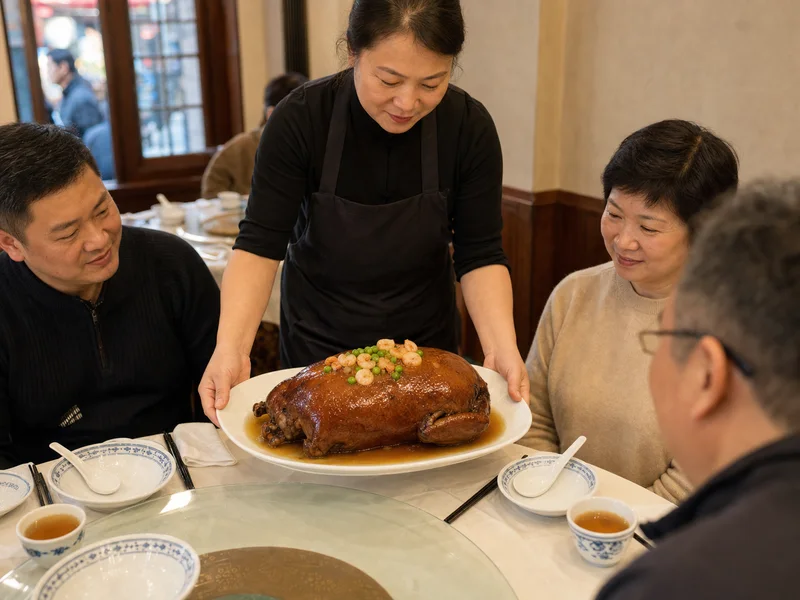
Eight treasure duck is the kind of Shanghai dish that changes the scale of a meal. It does not arrive as a neat individual portion. Instead, a whole duck comes to the table looking full and darkly glossy, then reveals a dense sticky-rice filling when the server cuts into it.
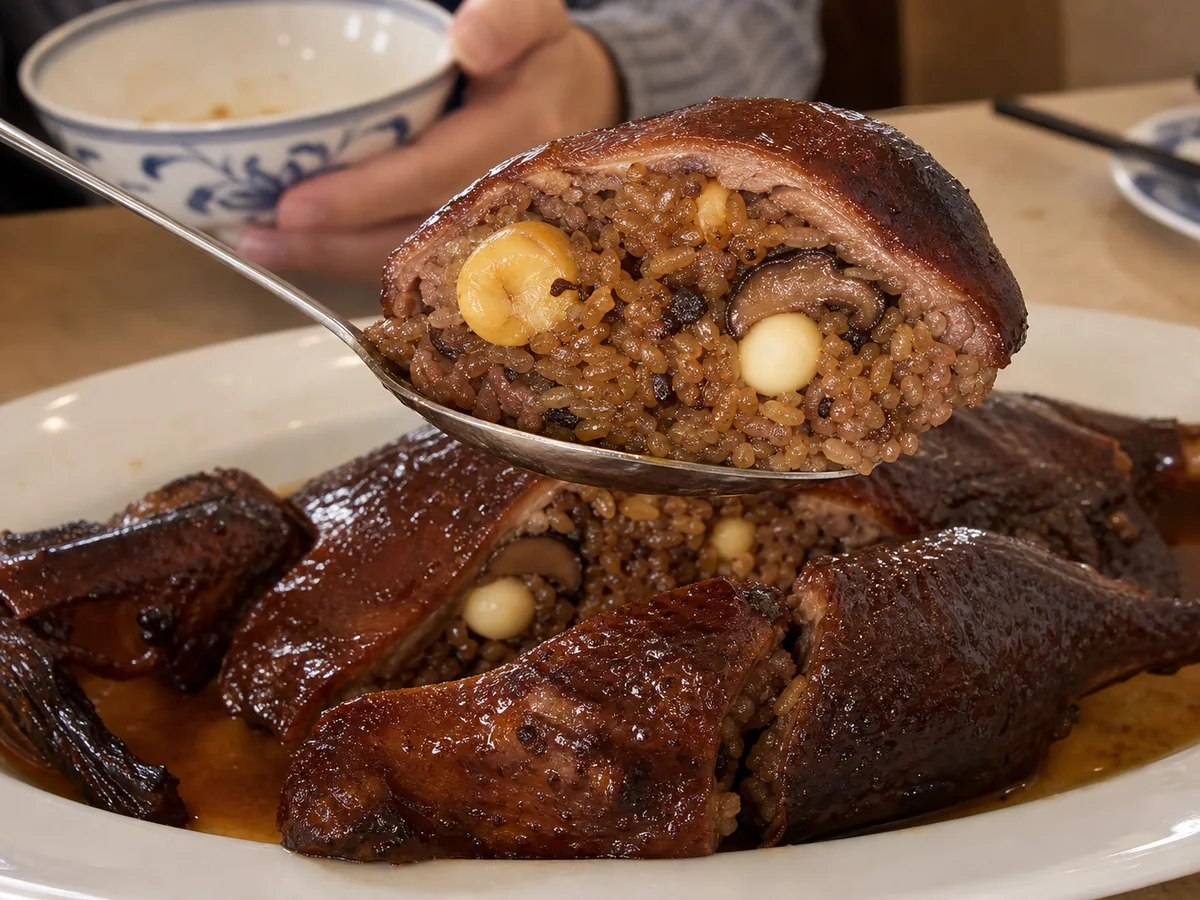
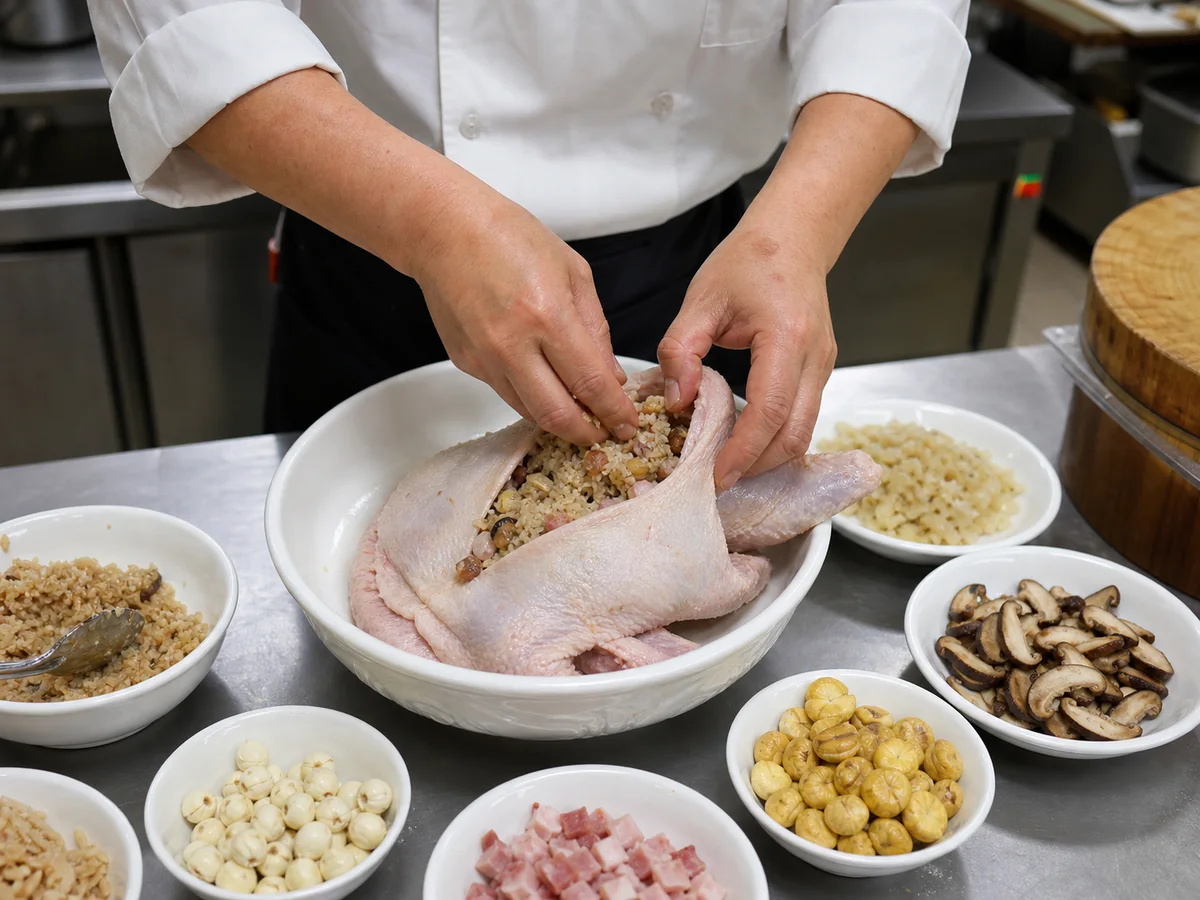
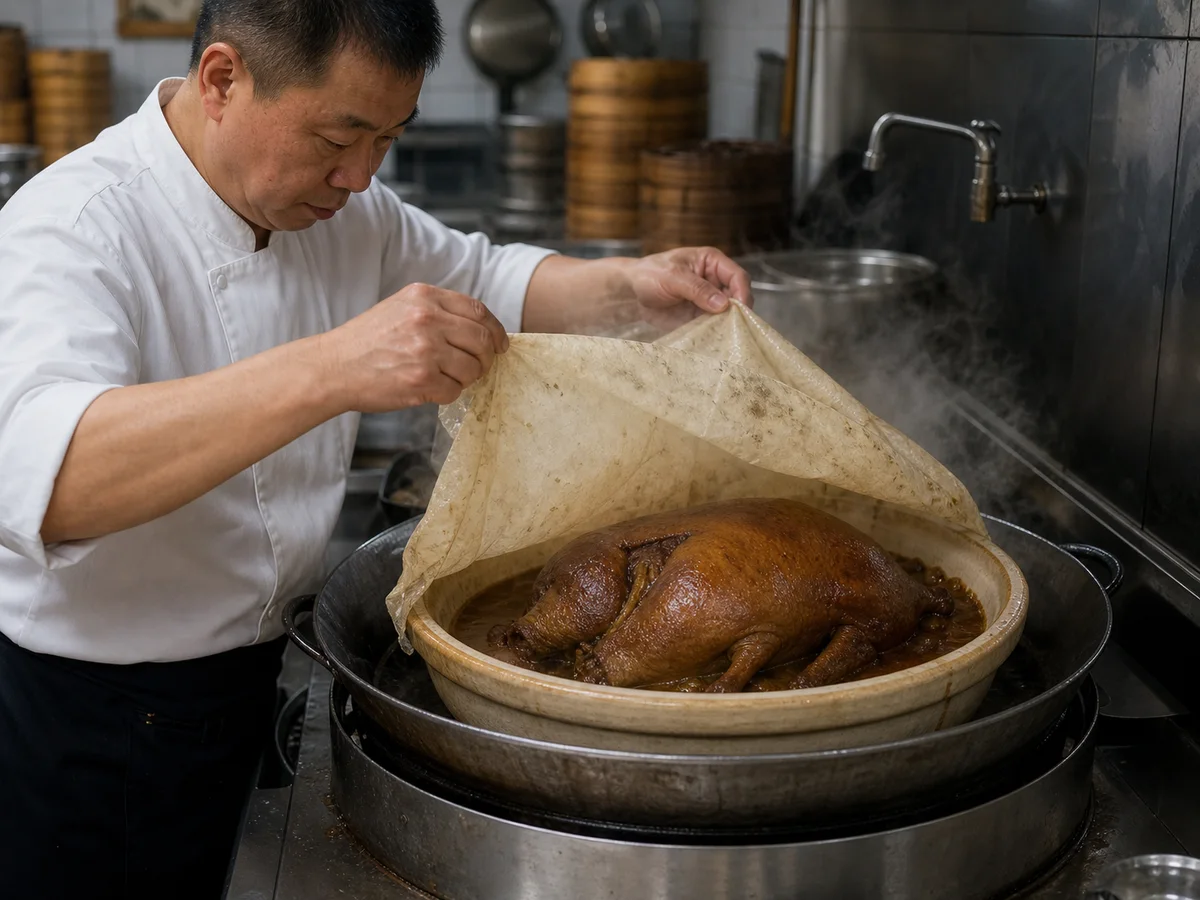
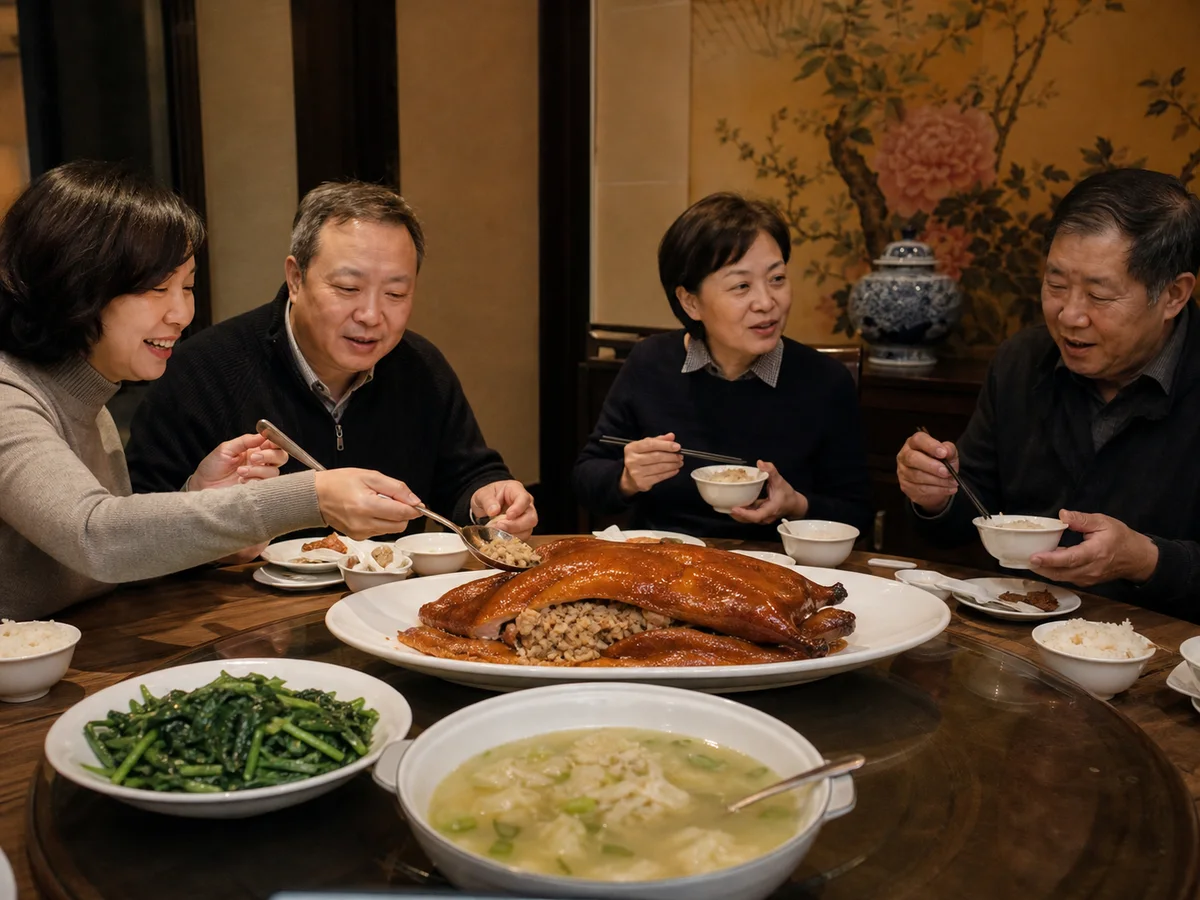
For visitors, the most useful thing to know is that the filling is not a side dish. It has absorbed the duck's cooking juices and carries much of the dish's flavor, so a good serving includes both a piece of duck and a spoonful of rice.
Babaoya is the Mandarin name for eight treasure duck. It is a classic Shanghai banquet dish with Jiangnan roots, often associated with festivals and family celebrations. The name suggests abundance, but it should not be read as a rigid recipe. Shanghai's official food guide notes that fillings differ by restaurant, season, and chef.
Common versions use sticky rice with chestnuts, ginkgo nuts, mushrooms, ham, pork, chicken, bamboo shoots, dried scallops, or shrimp. The particular ingredients may change, but the defining structure remains the same: a deboned duck holds the filling while long, gentle cooking lets the rice take on the duck's savory juices.
The rounded whole-duck presentation is part of the point. It signals that the duck has been filled and cooked as one object rather than simply served as roast pieces. Traditional versions are steamed in a large bowl, sometimes covered during cooking, then brought out with a prominent original sauce and small toppings such as shrimp and green peas.
Do not expect the crisp skin of Peking duck. Eight treasure duck is about tenderness, moisture, and filling. The skin can look glossy and dark from its sauce, while the meat should be soft enough to portion with a serving spoon or knife without shredding into dry strings.
When the duck is opened, look for sticky rice that is cohesive but still made of visible grains. Mushrooms, chestnuts, ginkgo nuts, and small diced ingredients may be noticeable. A filling that looks moist is normal; one that is watery, gritty, or compressed into a featureless lump is less appealing.
Because restaurants use different ingredient mixes, the exact filling is worth asking about before ordering. This is especially useful for diners who avoid shellfish, pork, nuts, gluten, or particular meats. The menu name alone does not reveal every item inside the duck.
Ask for babaoya or show the characters 八宝鸭. Confirm whether the restaurant serves a whole duck only, whether it needs advance ordering, and how many people it is intended to serve. It is usually a poor fit for a rushed solo lunch, but it makes sense for three or more diners who want one centerpiece dish.
Ask the server to cut and portion it at the table when possible. That gives the group a fair mix of duck, filling, and sauce. If you are ordering a large meal, do not add several other rich braised meats; the duck already supplies the main weight of the table.
Start with sixi kaofu or a small plate of Shanghai smoked fish, then let a clear vegetable dish or a light soup keep the meal from becoming monotonous. If your group wants a second major dish, crystal shrimp gives a lighter texture and does not repeat the duck's sauce or rice filling.
Yanduxian can work as the shared soup, but order a moderate portion and keep the rest of the table simple. Steamed rice is optional because the duck already contains sticky rice; plain greens are usually the more useful addition.
Eight treasure duck is not one fixed recipe. Duck is central, but fillings may include pork, chicken, ham, shellfish, soy-based seasonings, chestnuts, ginkgo nuts, and wheat-containing ingredients. Ask about the filling and sauce before ordering if you have allergies or dietary restrictions. Cross-contact is also likely in a busy Chinese restaurant kitchen.
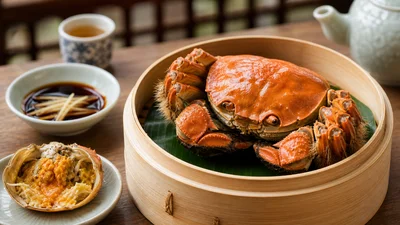
Shanghai hairy crab is a seasonal crab specialty served with ginger vinegar and small tools, with autumn matu…
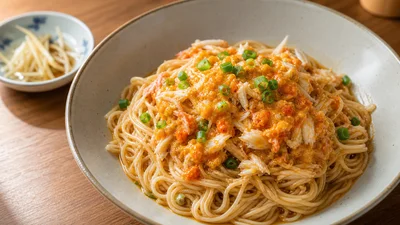
Shanghai crab roe noodles are rich seasonal noodles topped with crab roe and crab meat, best mixed carefully…
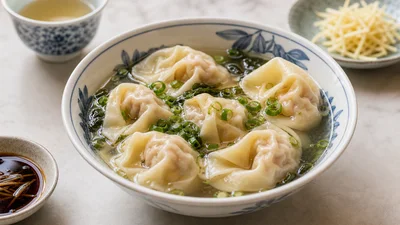
Shanghai wontons are soft folded dumplings served in clear broth, from tiny breakfast wontons to larger pork…
Comments (0)