Shanghai Yanduxian Soup: Salted Pork, Fresh Pork, Bamboo Shoots, and Tofu Knots
A practical English guide to Shanghai yanduxian soup, covering fresh and cured pork, seasonal bamboo shoots, tofu-skin knots, broth quality, sharing, and ordering tips.
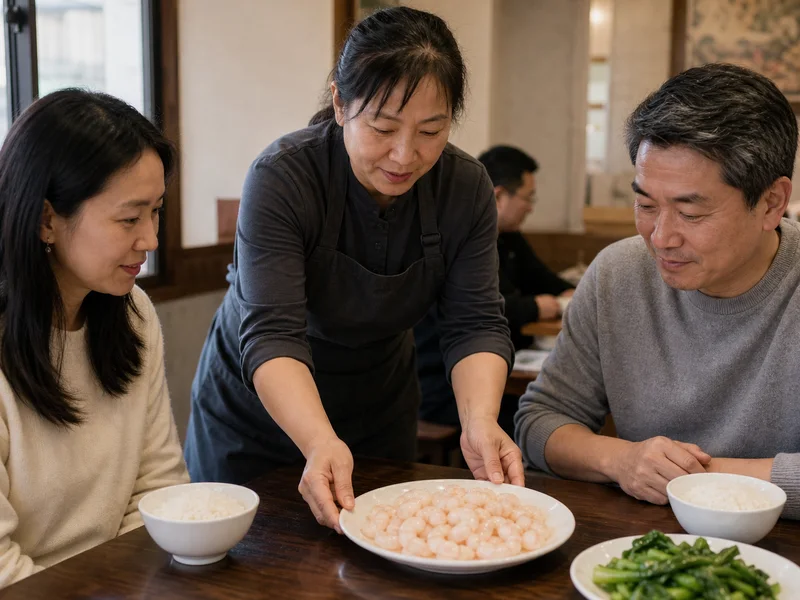
A practical English guide to Shanghai crystal shrimp, covering its pale translucent appearance, tender-springy texture, clean flavor, ordering, pairings, and common mistakes.
A plate of Shanghai crystal shrimp can appear almost too plain when it reaches the table. There is no bamboo steamer to open, no dark braising sauce, and usually no bright garnish. The appeal becomes clear with the first bite: each peeled shrimp should taste fresh and gently seasoned, with a soft surface and enough spring to remain distinct.
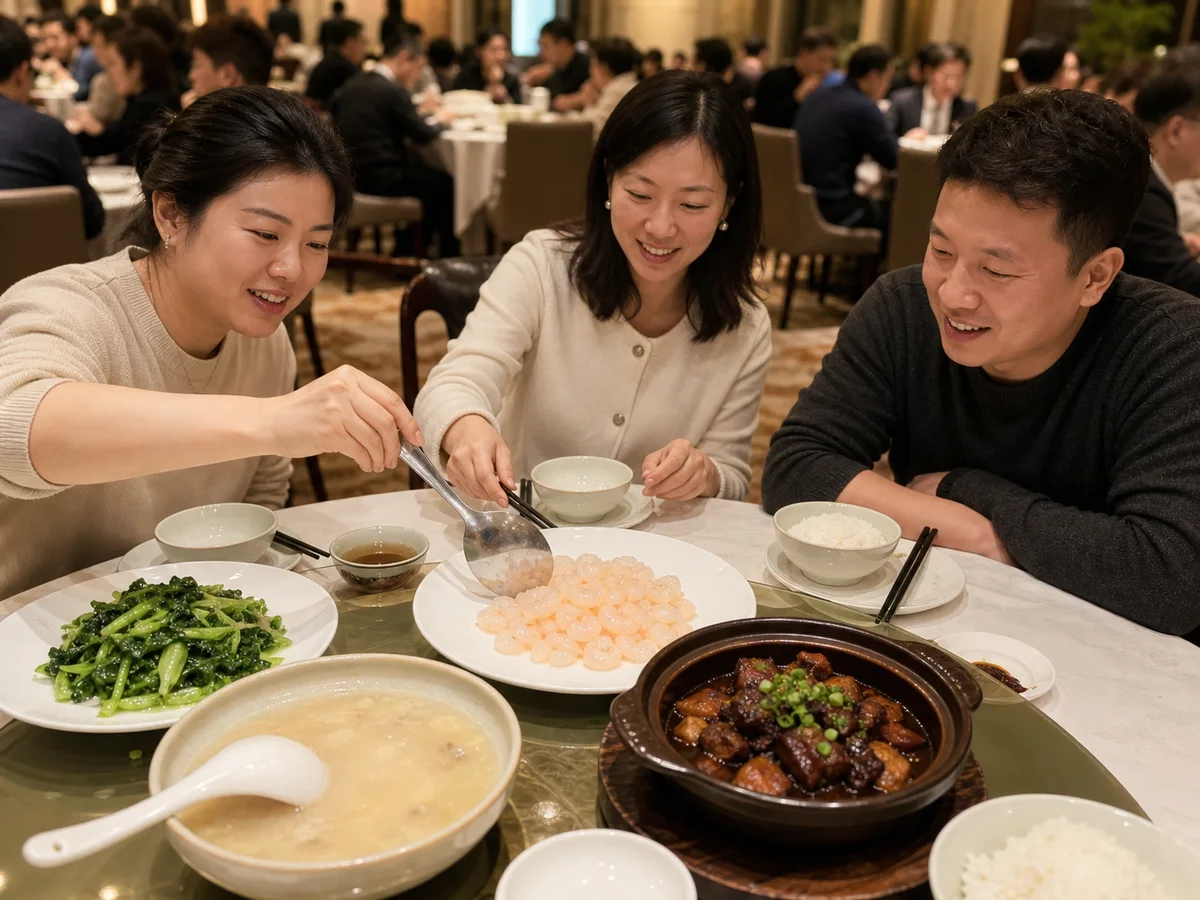
That simplicity is useful for travelers. Once you know the expected color and texture, you can distinguish shuijing xiaren from ordinary stir-fried prawns, sweet-and-sour shrimp, or a mixed shrimp-and-vegetable dish before ordering.
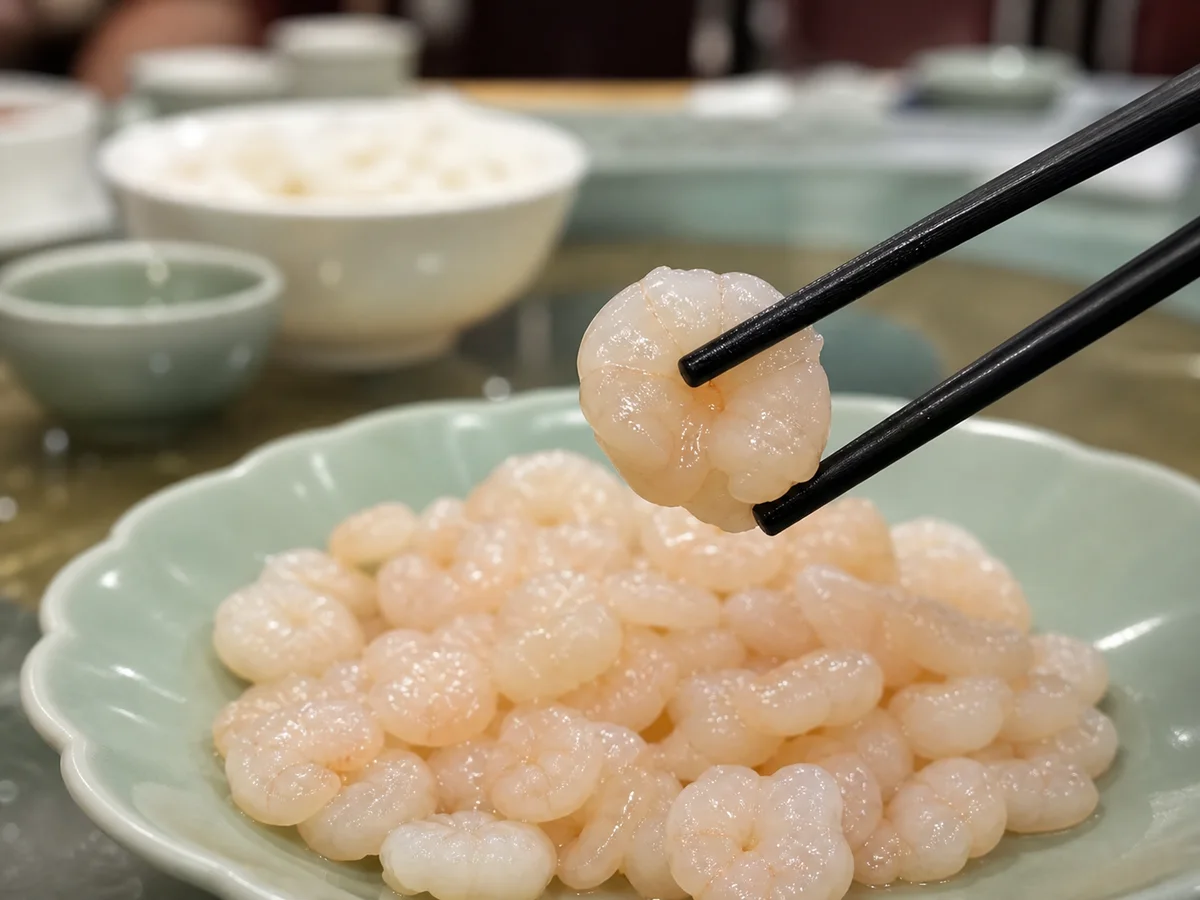
Shuijing means crystal and xiaren means peeled shrimp. The name refers to the shrimp's luminous surface after careful preparation and brief cooking. It does not promise transparent raw seafood. Shanghai's official food guide describes a successful plate as reddish with a touch of milky white, and as soft yet crisp with a strong shrimp flavor.
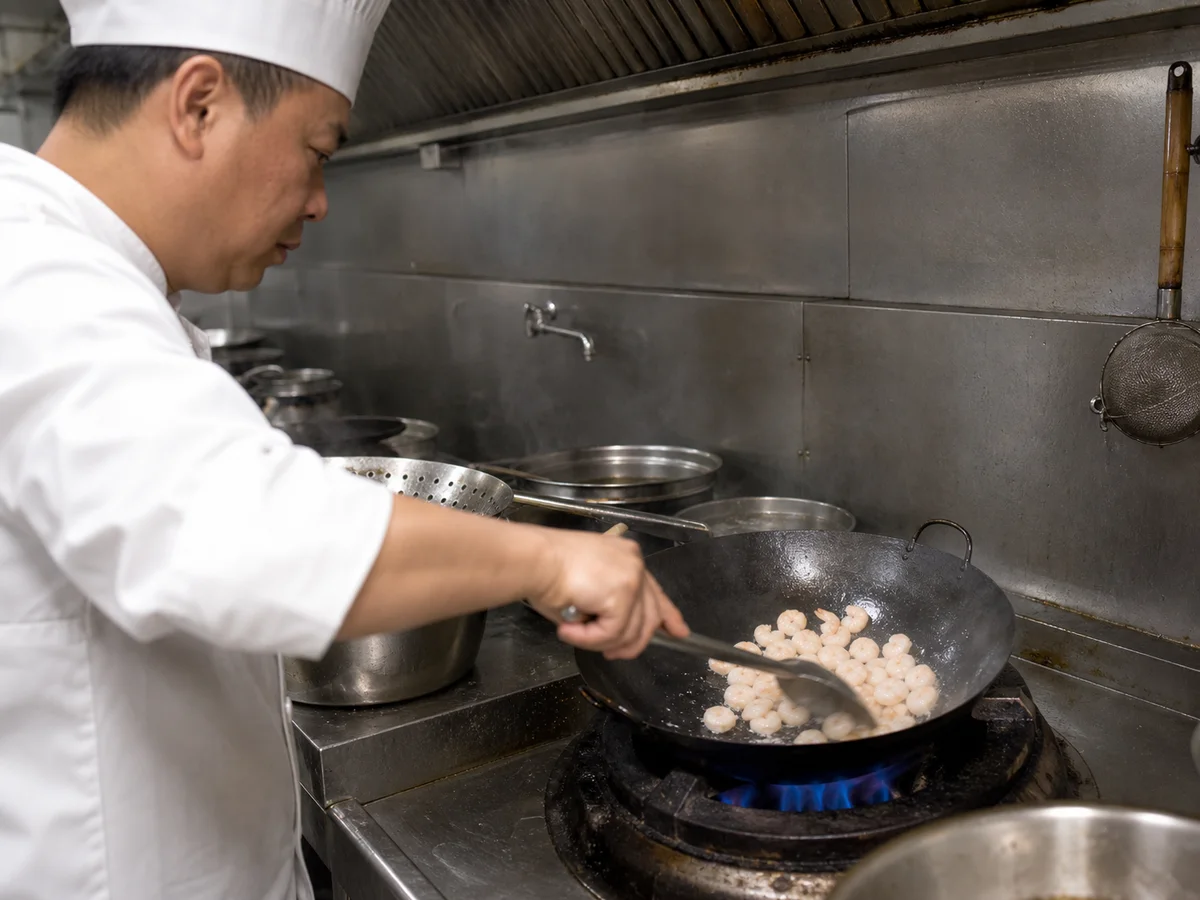
In practical terms, think pale, glossy, and just cooked. The shrimp may have a light pink blush around the curves, but they should not be orange like heavily cooked large prawns. A completely glassy appearance is not the goal, and an opaque chalk-white coating can indicate that the starch layer is too heavy.
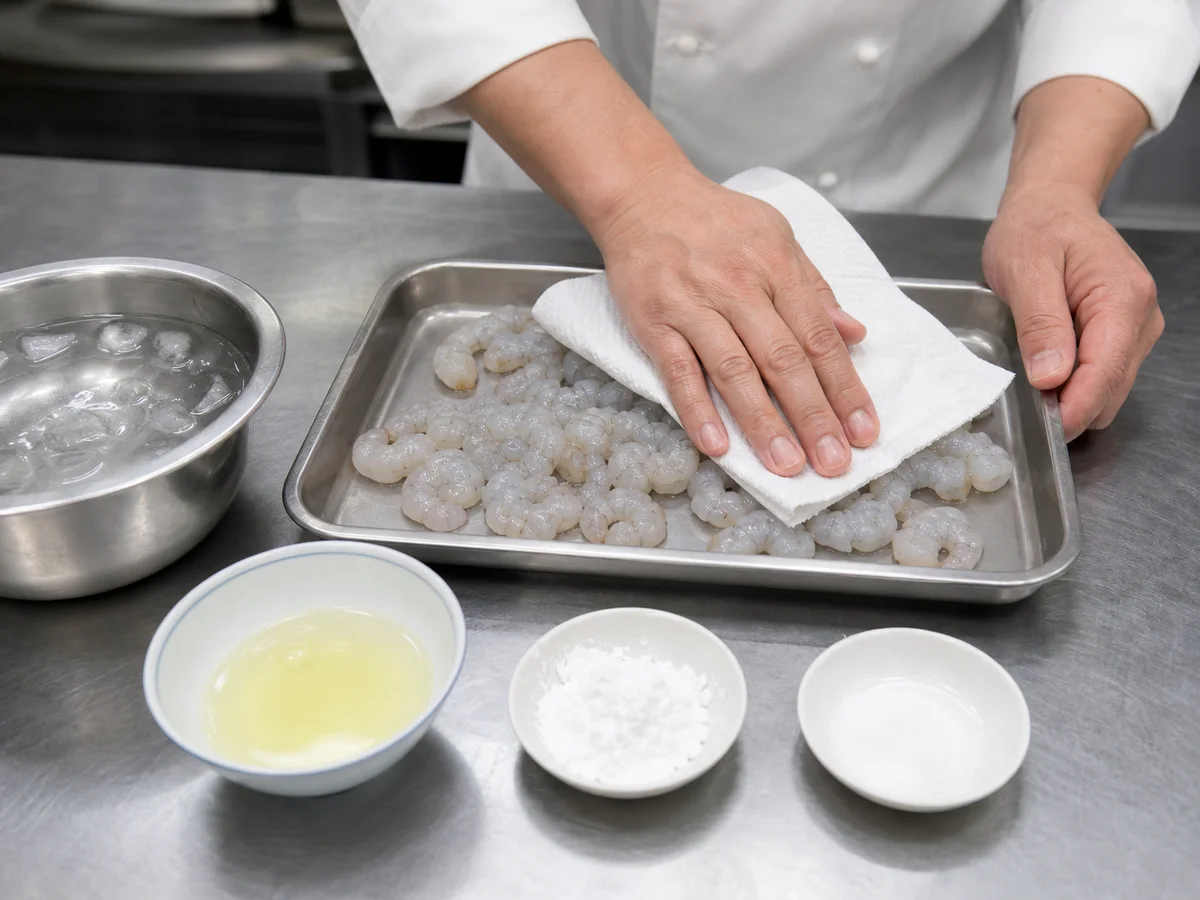
The classic dish centers on peeled shrimp and egg, with light seasoning and a small amount of starch often used during preparation. A skilled kitchen keeps those supporting ingredients nearly invisible. They protect moisture and help create the sheen without turning the plate into battered or sauced shrimp.
Some home-style and restaurant versions add peas, but the restrained Shanghai reference version serves the shrimp alone. Neither presentation is automatically poor. If you want the classic plate, confirm the Chinese name and look for a menu photo showing an uninterrupted mound of pale shrimp rather than a colorful stir-fry.
Good crystal shrimp should feel tender as your teeth enter, then offer a small, natural resistance. Rubbery shrimp have usually been cooked too long; mushy shrimp lack the clean definition that makes the dish satisfying. Bigger is not necessarily better. Small river shrimp can deliver a more concentrated shrimp flavor, although kitchens may use other peeled shrimp depending on supply.
The pieces should remain separate on the plate. A thick sauce that binds them into a sticky mass hides both their texture and their natural shape. Traditional cooks sometimes summarize the desired finish as no obvious water, oil, or starch: the technique is present, but the plate should not display it.
Expect savory shrimp first, followed by mild salt and a gentle richness from the preparation. This is not one of Shanghai's sweet, soy-dark dishes. It is also not supposed to taste strongly of garlic, chili, or ketchup. A small dish of rice vinegar may be offered on the side; try the shrimp on its own before dipping so you can judge the kitchen's seasoning.
For another seafood dish with a very different personality, Shanghai smoked fish is fried and coated in a sweet-savory sauce. Crab roe noodles are richer and more concentrated. Crystal shrimp gives a shared meal a cleaner pause between those stronger flavors.
Show the characters 水晶虾仁 if the English menu uses a broad translation such as crystal prawns or clear-fried shrimp. Ask whether the portion is small or large, because the dish is generally priced and served as a shared restaurant plate rather than as a solo rice bowl. Two people can order it as a main dish with vegetables and rice; a larger group can treat it as one lighter item among several.
Do not confuse it with fried shrimp in a crisp shell, shrimp balls, or Cantonese shrimp dumplings. If you want dumplings instead, Shanghai wontons provide wrappers and broth, while the point here is the unhidden texture of the peeled shrimp itself.
Crystal shrimp needs very little support. Steamed rice, a simply cooked leafy vegetable, and a shared soup make a complete small meal. For a larger table, its pale, clean flavor balances red-braised pork belly, whose dark soy-sugar glaze sits at the opposite end of the Shanghai flavor range.
A cold starter such as sixi kaofu can arrive first, followed by the shrimp and a warm soup. If you order yanduxian, keep the other meat dishes modest: the soup already brings both fresh and cured pork, while the shrimp is most useful as the table's lighter main plate.
The dish contains shellfish and commonly uses egg during preparation. Starch and seasonings vary by kitchen, so diners avoiding wheat, soy, or particular additives should ask rather than assuming that the short visible ingredient list tells the whole story. Cross-contact is also likely in a Chinese restaurant wok station.
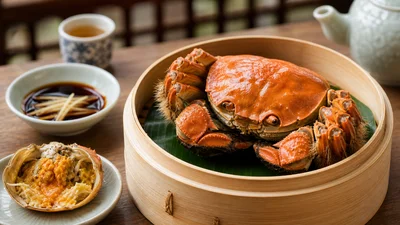
Shanghai hairy crab is a seasonal crab specialty served with ginger vinegar and small tools, with autumn matu…
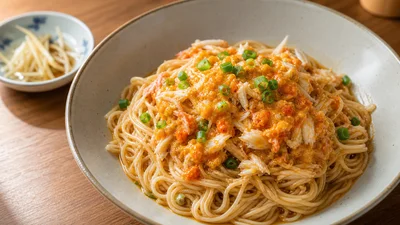
Shanghai crab roe noodles are rich seasonal noodles topped with crab roe and crab meat, best mixed carefully…
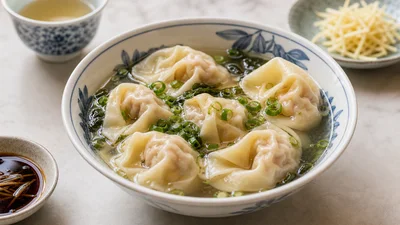
Shanghai wontons are soft folded dumplings served in clear broth, from tiny breakfast wontons to larger pork…
Comments (0)