Shanghai Kaofu: Porous Wheat Gluten, Mushrooms, Peanuts, and How to Order It
A practical English guide to Shanghai sixi kaofu, covering its porous wheat-gluten texture, mushrooms, wood ear, daylily buds, peanuts, serving style, and ordering tips.
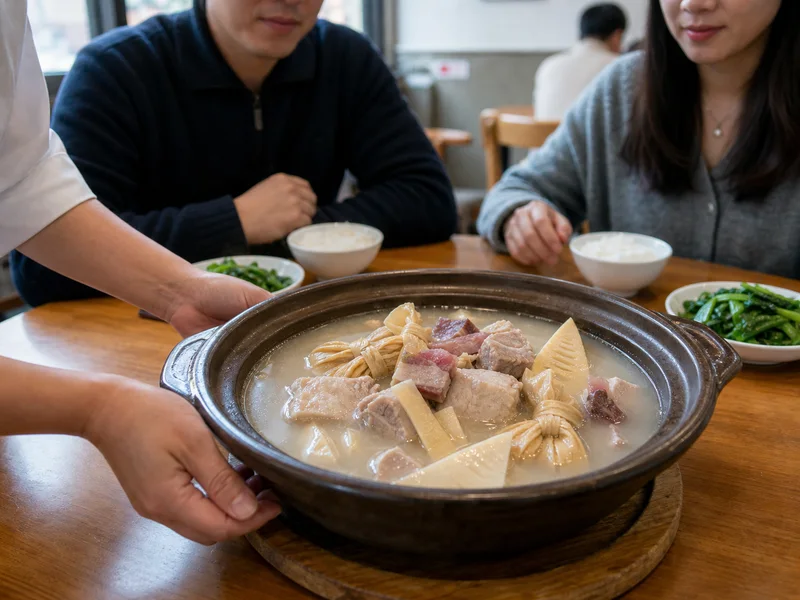
A practical English guide to Shanghai yanduxian soup, covering fresh and cured pork, seasonal bamboo shoots, tofu-skin knots, broth quality, sharing, and ordering tips.
Yanduxian often arrives in a clay pot large enough for several people. At first glance it can look like a simple pale pork soup, but the ingredient contrast is unusually precise: fresh pork, cured pork, bamboo shoots, and tofu-skin knots each contribute a different kind of savoriness or texture.
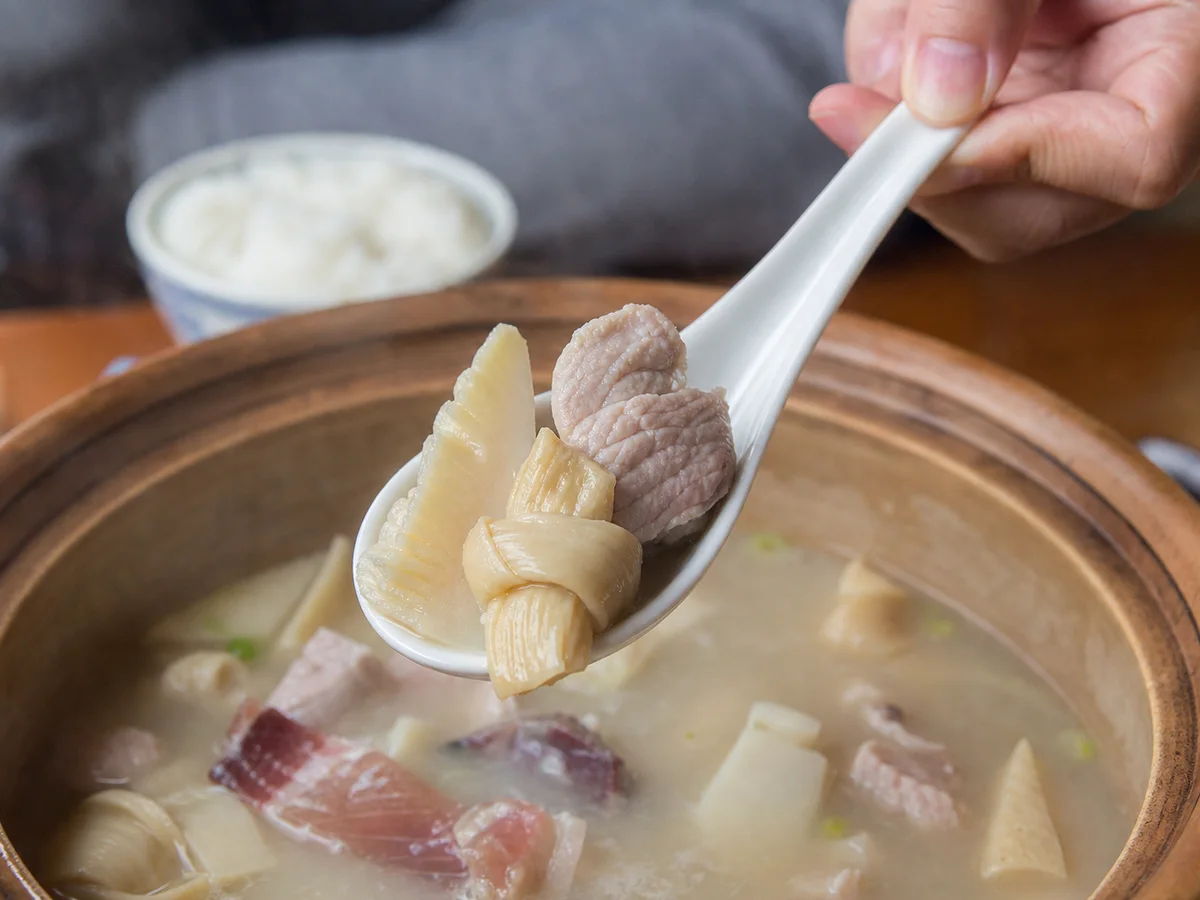
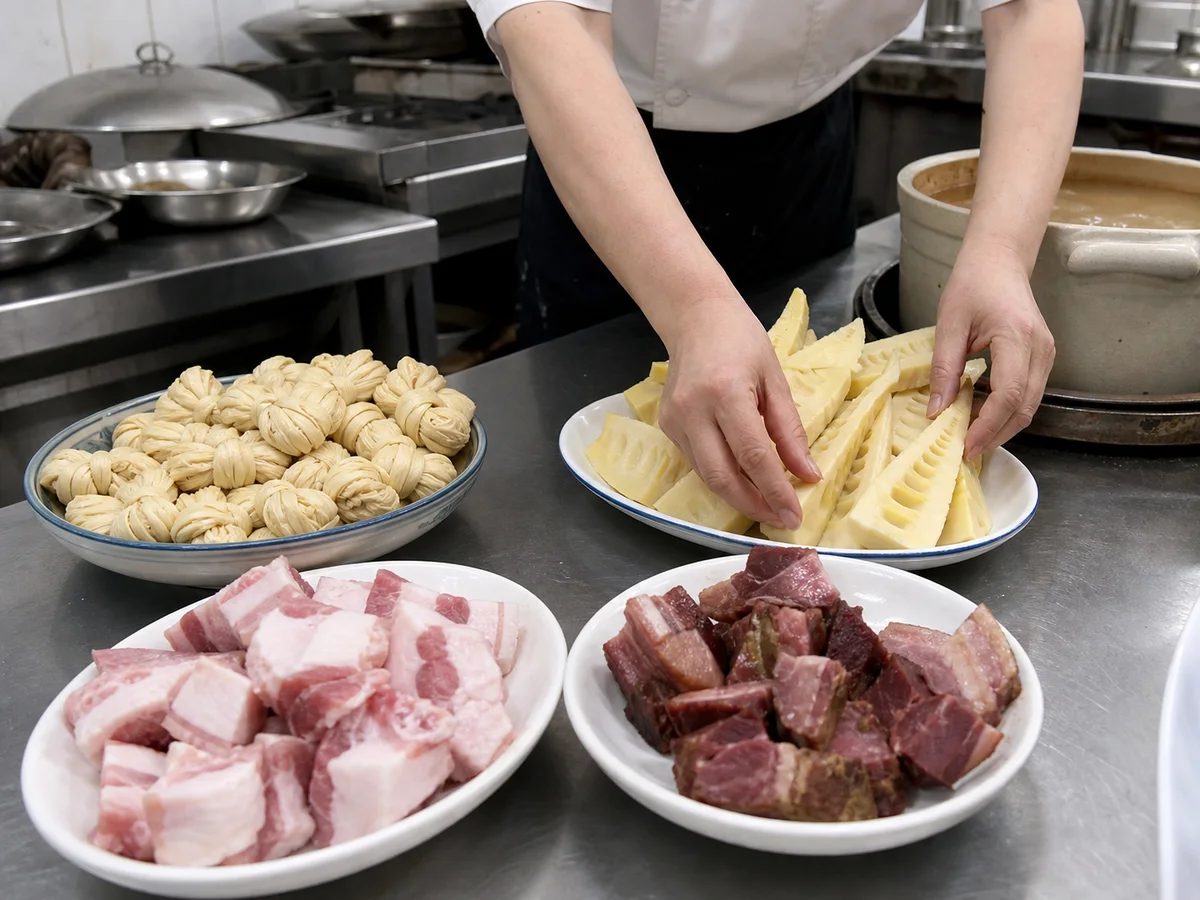
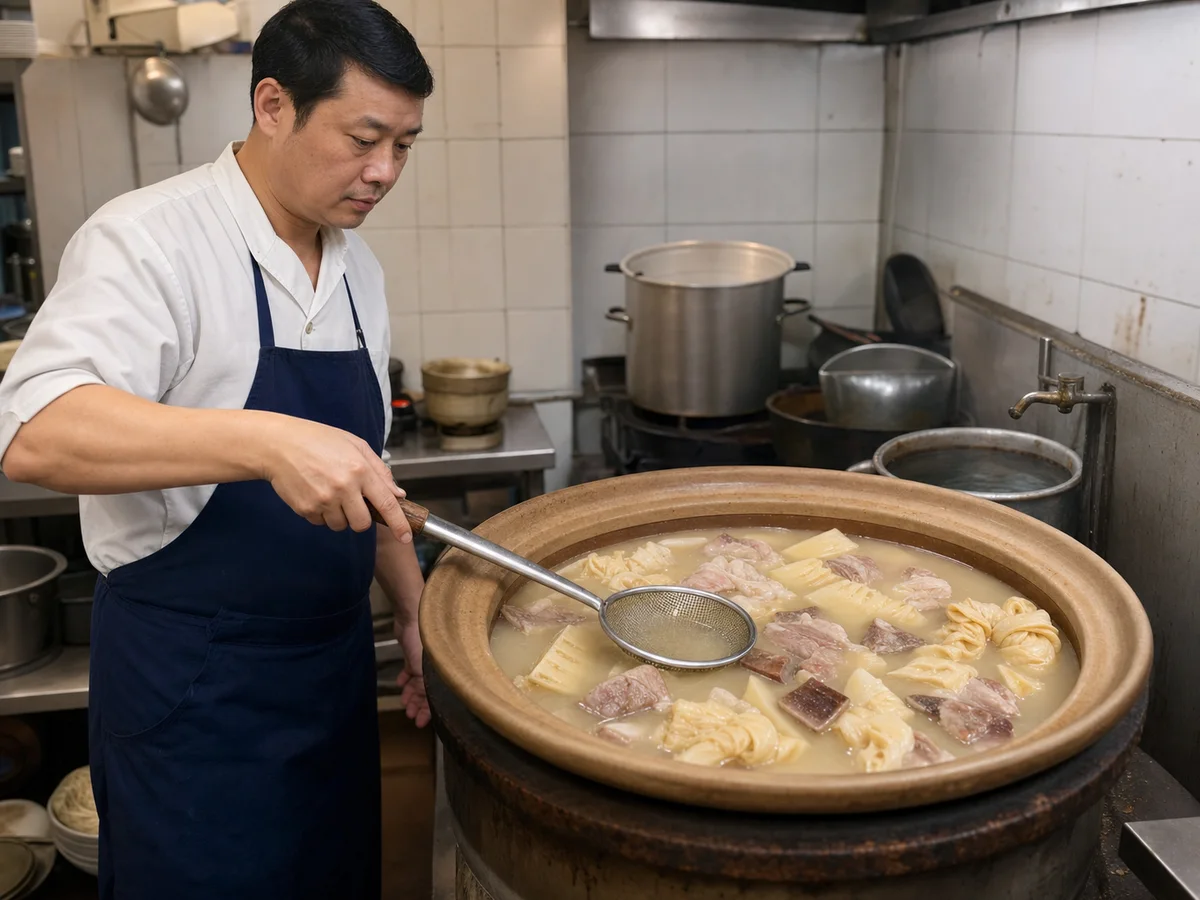
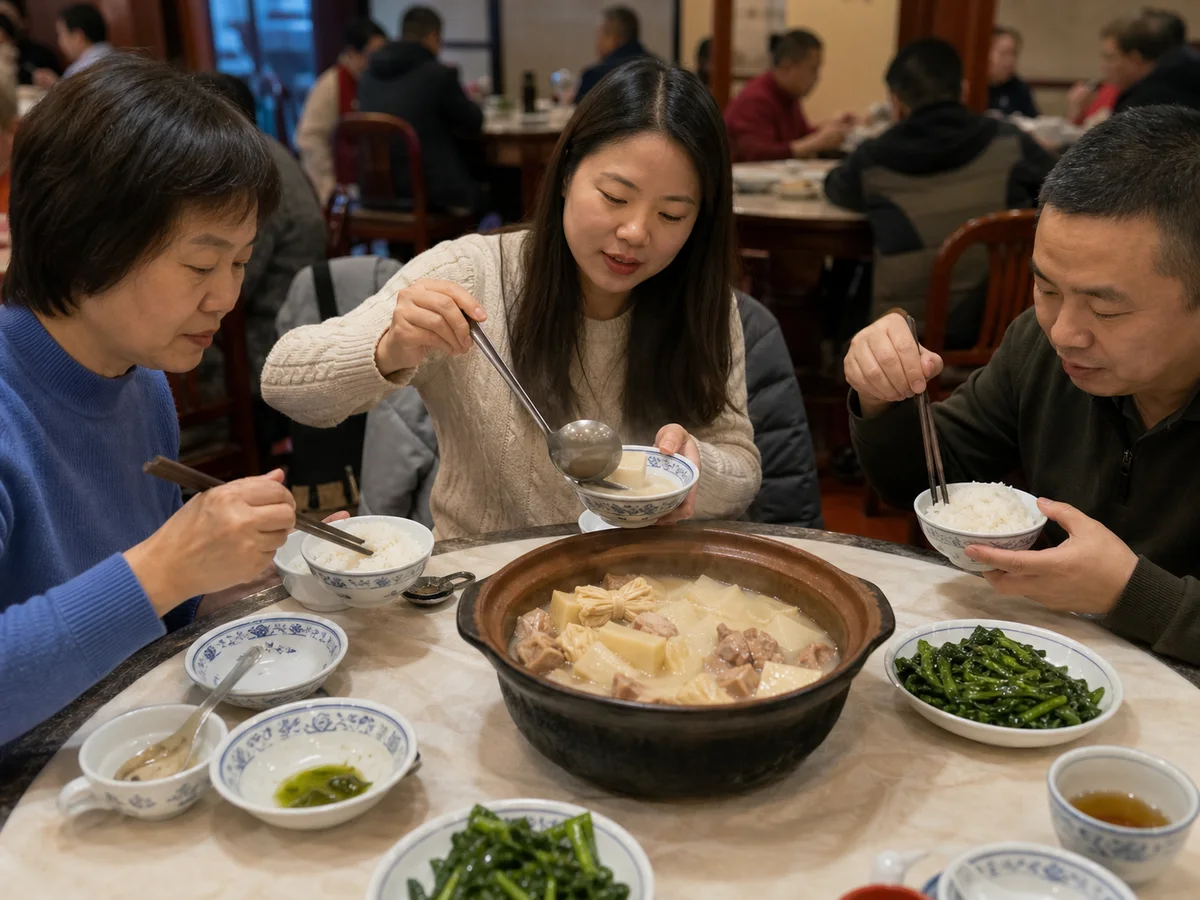
For overseas visitors, the most useful clues are visible. Look for two tones of pork, firm ivory bamboo wedges, tied sheets of tofu skin, and a broth that looks rich from simmering rather than from cream or starch. The dish should taste full but clean enough that you still notice the bamboo.
The three parts of the name describe how the soup works. Yan refers to cured or pickled pork. Du is a Jiangnan word associated with slow cooking over gentle heat. Xian means fresh, referring both to fresh ingredients and the savory freshness created when the meats and bamboo cook together.
That balance matters. A pot made only with cured pork can become aggressively salty, while fresh pork alone lacks the mature aroma that identifies the dish. The slow simmer draws both into the broth without needing a dark soy sauce or a sweet glaze.
Fresh pork is usually belly, ribs, or another cut that remains tender during a long simmer. Cured pork is darker and saltier; some kitchens use salted pork, Chinese ham, or a combination. Bamboo shoots add a clean aroma and a tender bite. Tofu-skin knots absorb broth while keeping a folded, slightly chewy texture.
Additional ingredients are not automatically a sign that the dish is wrong. Shanghai family versions may include napa cabbage, lettuce, egg dumplings, or glass noodles. What should remain clear is the central balance between preserved pork, fresh pork, and bamboo.
Yanduxian is simmered rather than red-braised, so it does not take on the dark color of soy-heavy dishes. Depending on the meat, pot, heat, and cooking time, the broth may be pale gold, ivory, or lightly cloudy. It should not need dairy, and it should not be thick like gravy.
This is different from Shanghai red-braised pork belly, where caramelized sugar and soy sauce create a glossy brown coating. Yanduxian develops richness in the liquid itself. A spoonful should taste meaty first, then reveal bamboo and cured-pork depth without leaving a sticky finish.
Yanduxian is strongly associated with spring, when fresh bamboo shoots are tender and aromatic. Winter bamboo shoots can produce an excellent pot too, and restaurants may use frozen or preserved shoots when fresh ones are unavailable. The exact version therefore changes with the season and the kitchen.
When ordering in spring, ask whether the restaurant is using fresh shoots. They should retain a gentle bite rather than turning stringy or mushy. Outside the main season, judge the dish by the clarity of the bamboo flavor instead of assuming every restaurant has the same ingredient supply.
Ask for yanduxian by name or look for an English description such as salted-and-fresh pork soup with bamboo shoots. Confirm the pot size before ordering: a full casserole may serve four or more people, and it can be too much for a solo diner after other dishes arrive. Let one person ladle small portions so everyone receives pork, bamboo, tofu skin, and broth rather than taking only the solids.
If you want a lighter soup for one person, Shanghai wonton soup is usually easier to portion. Yanduxian makes more sense as the warm center of a shared table, especially with rice and a plain green vegetable.
Begin with a small cold dish such as sixi kaofu or Shanghai smoked fish, then let the soup provide warmth. Kaofu is wheat gluten, not the tofu-skin knot used in yanduxian, so the two dishes do not duplicate each other despite their similar brown and beige colors.
Avoid ordering several other pork-heavy mains unless the group is large. Rice is useful for the cured-pork salt, and simply cooked greens bring freshness. If you want a starch with more texture, a modest plate from the Shanghai rice cake menu can work, but choose a vegetable-led version rather than another rich pork sauce.
Yanduxian is not vegetarian: pork is the foundation of both the broth and the solid ingredients. Tofu-skin knots contain soy, and restaurant seasoning may include soy sauce or other ingredients that matter to diners avoiding wheat. The cured meat can also make the soup saltier than its pale color suggests, so ask about the kitchen's version rather than relying on appearance alone.
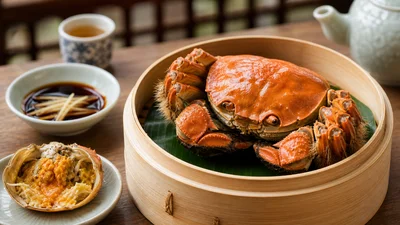
Shanghai hairy crab is a seasonal crab specialty served with ginger vinegar and small tools, with autumn matu…
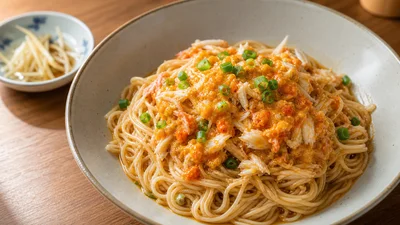
Shanghai crab roe noodles are rich seasonal noodles topped with crab roe and crab meat, best mixed carefully…
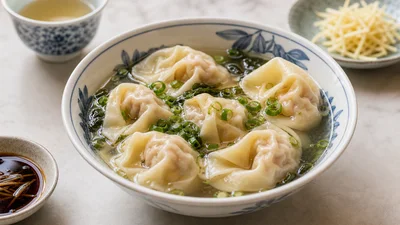
Shanghai wontons are soft folded dumplings served in clear broth, from tiny breakfast wontons to larger pork…
Comments (0)