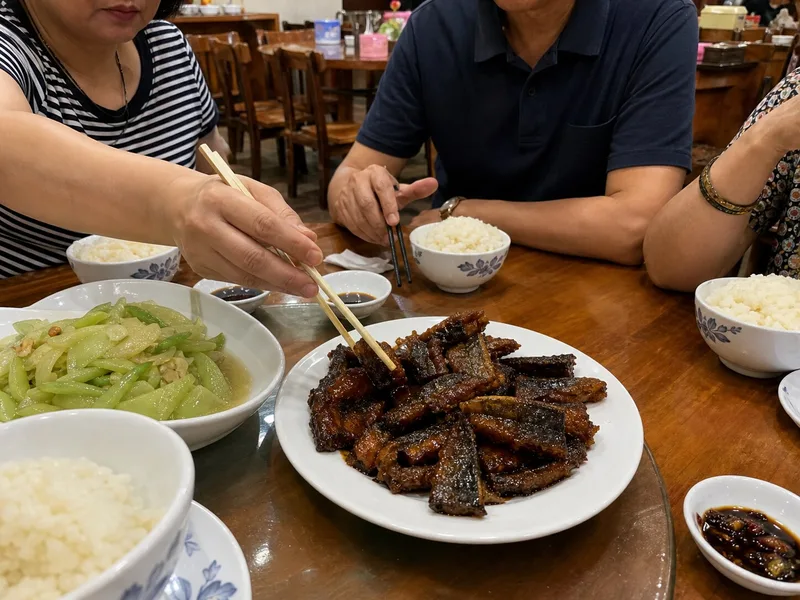
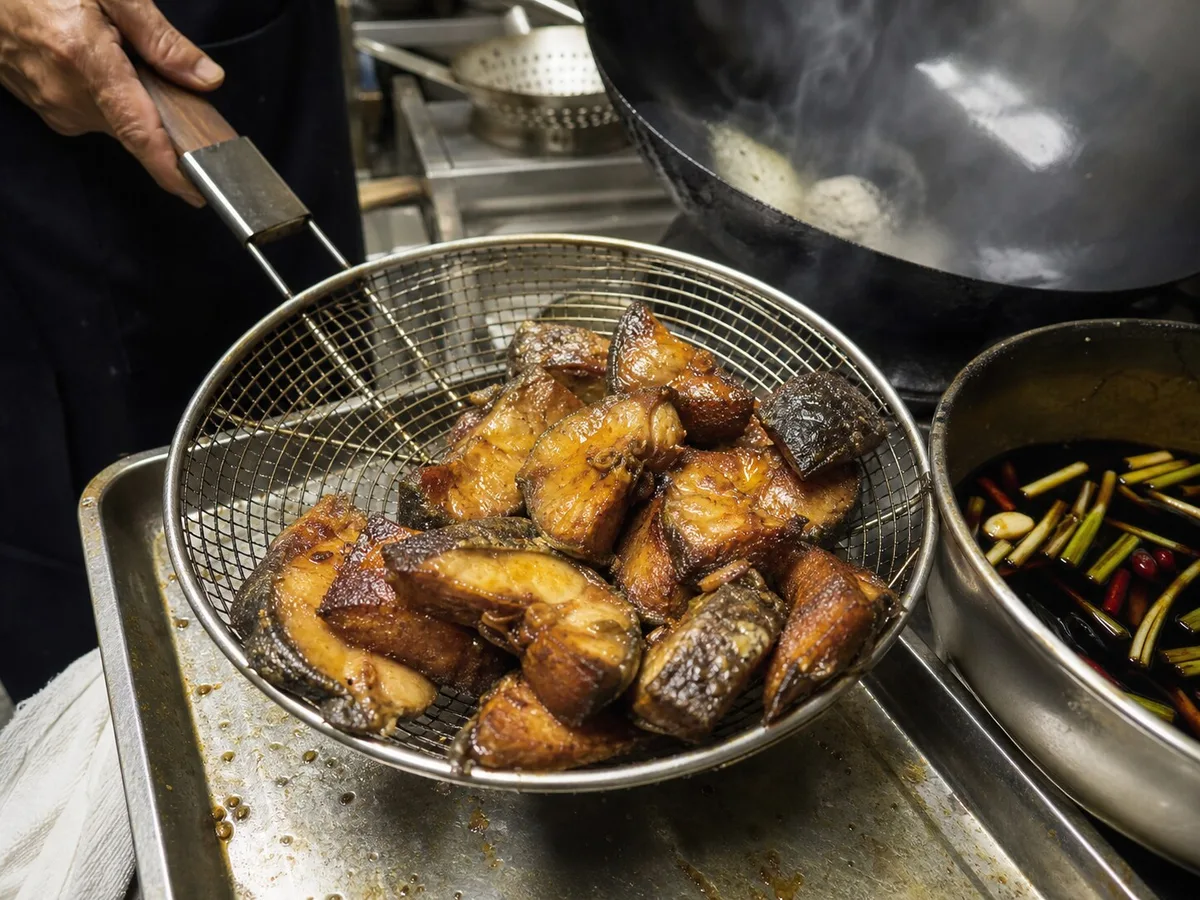
Shanghai smoked fish is easiest to enjoy when it is treated as a shared cold dish, not as a Western-style fish entree. In many Shanghai settings, xun yu means fried fish pieces coated in a dark sweet-savory sauce and served cool or at room temperature. The flavor is concentrated, so its place on the table matters as much as the plate itself.
This guide builds on the basic xun yu guide and the sauce and texture guide. Here the focus is the meal around it: how many pieces make sense, why cold serving is intentional, how to handle firm fish and occasional bones, and which dishes give the plate room to work.
Think of Xun Yu as the Opening Note
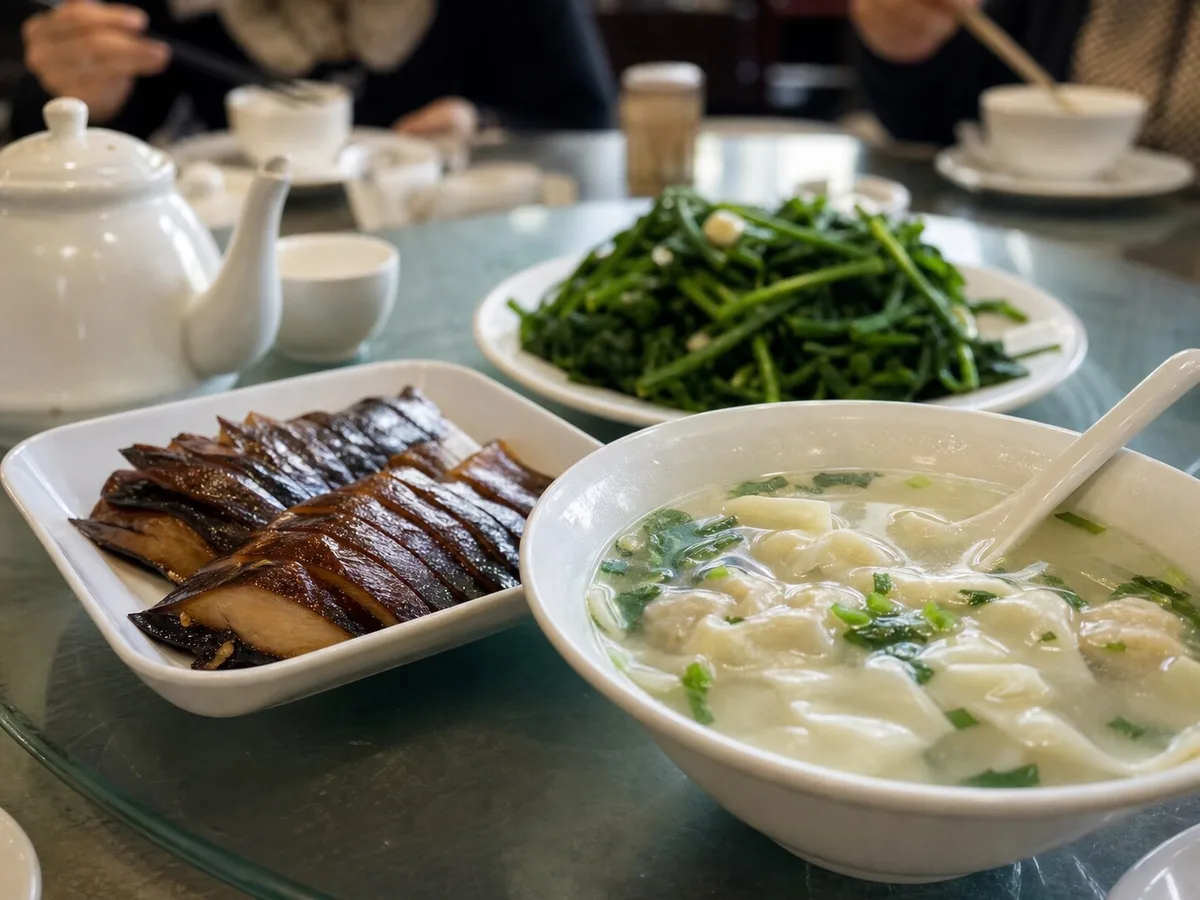
A small plate of smoked fish is often best at the start of a shared meal, while the appetite is fresh and the sweet-savory glaze still feels lively. It can sit beside the first bowls of tea and cold dishes before soup, greens, rice, and larger hot plates arrive.
That does not mean it must be eaten immediately or all at once. Take a piece early, then return to it between milder dishes. The table rhythm is more satisfying when xun yu remains a contrast rather than becoming the only flavor everyone tastes.
How Much to Order for a Shared Table
For two people, a small plate is usually enough when there are rice, vegetables, or soup on the table. For three or four diners, one modest cold dish still works if it is part of a broader spread. Order more only when smoked fish is a particular priority for the group.
It is tempting to treat a glossy fish plate as a main dish because it looks substantial, but the sauce makes it richer than its portion suggests. A smaller order lets everyone taste it without leaving a half-finished plate after the first few bites.
Cool Serving Is Part of the Dish
Shanghai smoked fish is commonly served cool, not because it has gone cold by accident, but because the glaze and firm fish texture settle that way. Reheating can loosen the sauce, soften the fish, and make the sweetness feel heavier.
At a restaurant, let the plate arrive with the cold starters. At home, bring it out a little before the rest of the meal rather than holding it over heat. If it has been refrigerated, give it a short rest at a cool room temperature while you prepare the table, following normal food-safety handling for your setting.
Take Small Pieces and Watch for Bones
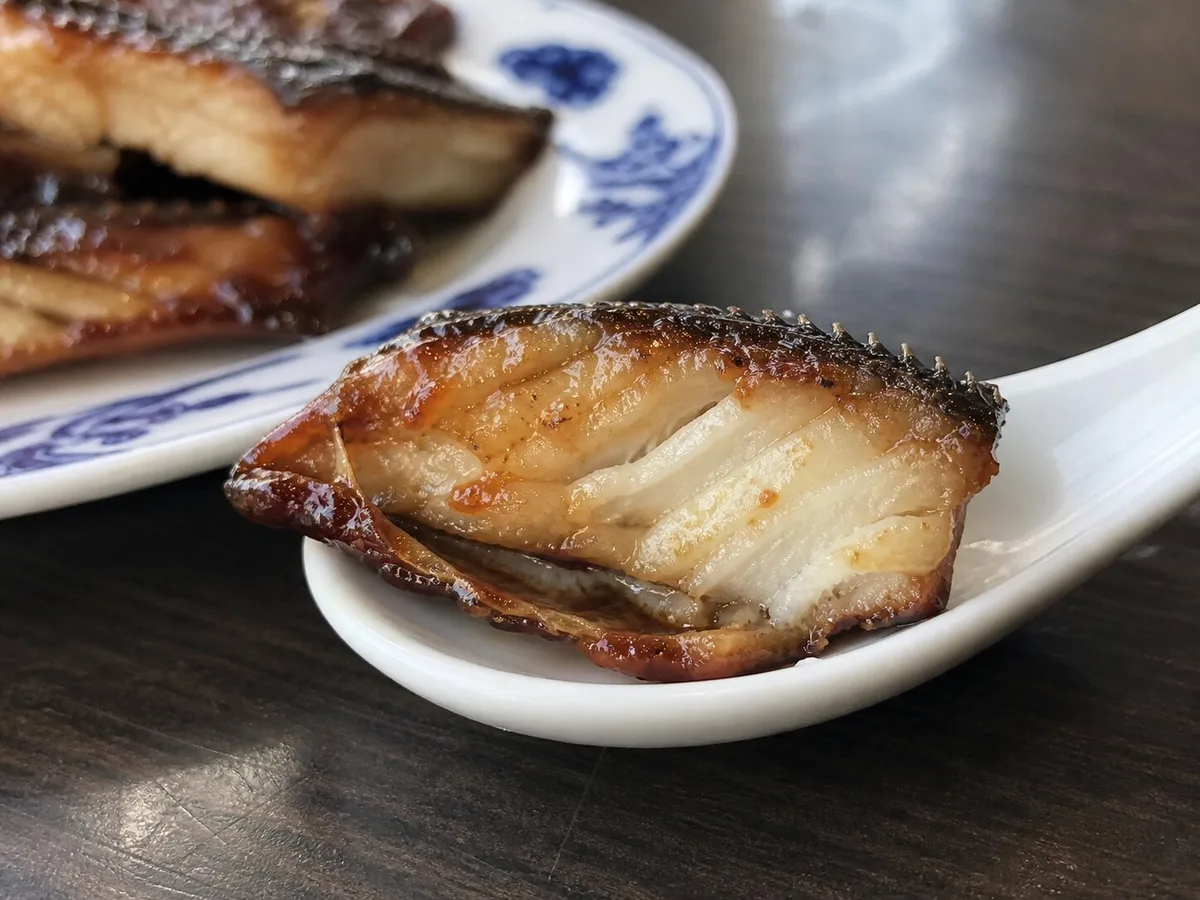
Good xun yu should be firm enough to lift cleanly with chopsticks, with a dark glaze on the outside and flaky fish inside. Depending on the cut and fish used, occasional small bones or firmer skin may be present. Take a measured bite rather than treating it like boneless fillet.
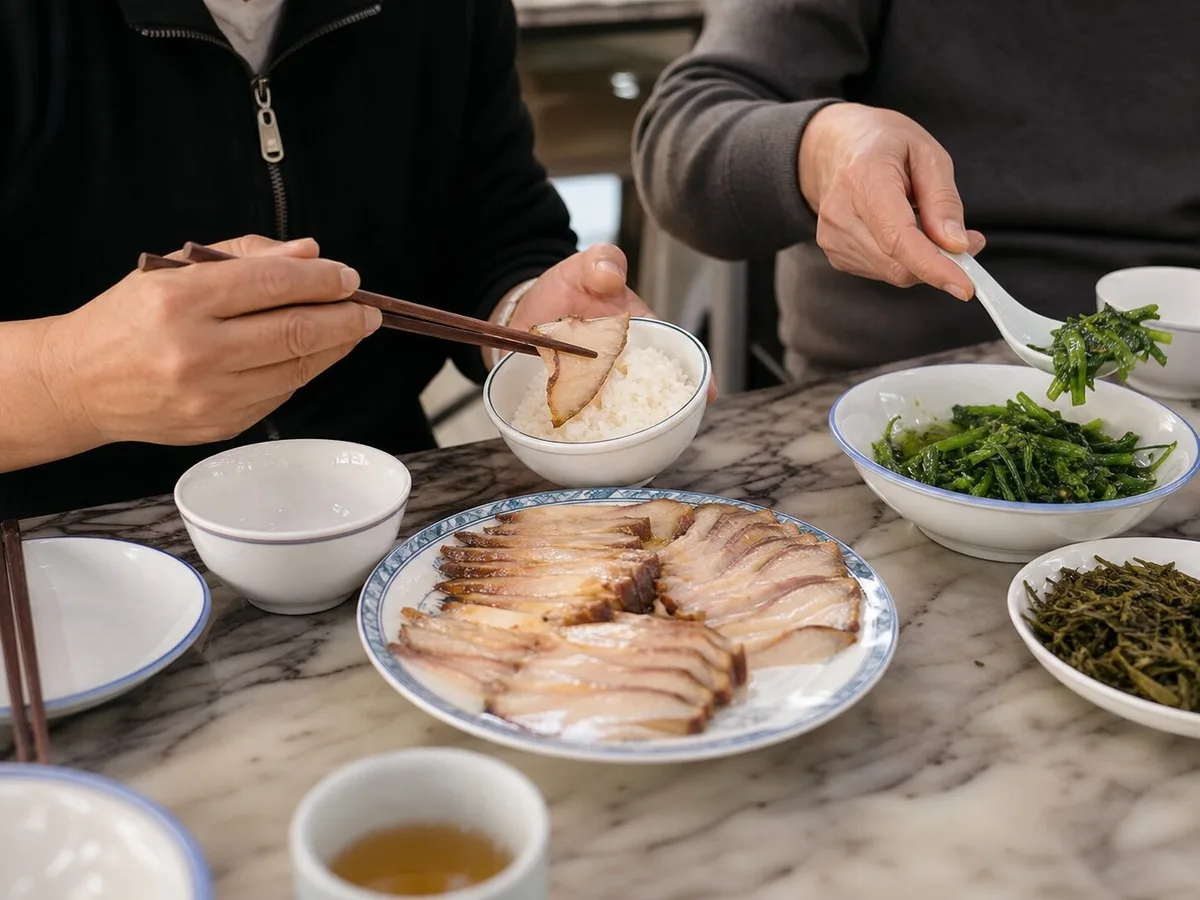
This is one reason shared service works well. Put a piece over rice or onto a small plate, then eat it calmly instead of reaching for several pieces at once. The fish is more rewarding when its texture, glaze, and natural fish character can be noticed separately.
Build Contrast Around the Plate
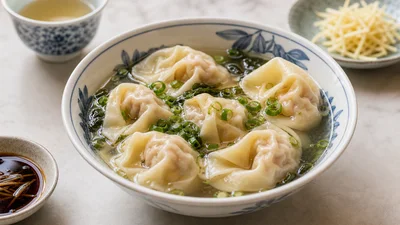
The best companions are clean and calm. A small bowl from the Shanghai wontons topic gives the table light broth. Simple leafy greens add freshness. Plain rice keeps the sauce from overwhelming the palate and makes a small piece go further.
A richer dish such as hong shao rou can share the table, but then add a vegetable and soup rather than another sweet soy dish. For a different kind of contrast, a crisp piece from the scallion pancake topic brings texture without competing with the fish.
When It Makes Sense With Noodles
Smoked fish can work beside a simple noodle bowl when the portions are small. The restraint matters: let the noodles be the main food and use one or two fish pieces as a cold accent. The freshness of Shanghai cold noodles can be appealing in warm weather, while a plain hot bowl is better when you need more warmth.
Avoid combining xun yu with several heavily sauced side dishes. The fish does not need extra sweetness around it. A table with noodles, greens, broth, and one cool fish plate gives each dish a clearer role.
Common Shared-Table Mistakes
- Ordering a large plate for one person and tiring of the sweet-savory glaze.
- Reheating a cold appetizer until the fish loses its firm texture.
- Eating quickly without checking for small bones or firmer skin.
- Pairing it with too many dark, sweet soy dishes at once.
- Forgetting rice, greens, or broth that make a concentrated plate easier to share.
Comments (0)