Shanghai hong shao rou is rich by design, but richness alone does not make a good plate. The best version has pork belly that has softened through slow cooking, sauce that has reduced into a glossy coat, and enough balance on the table that the dish does not become tiring after two bites.
This guide builds on the hong shao rou sauce and texture guide. Here the focus is the final stage: sauce reduction, fat-and-lean layers, rice, greens, and how to decide whether the dish has been cooked with care.
What Sauce Reduction Should Look Like
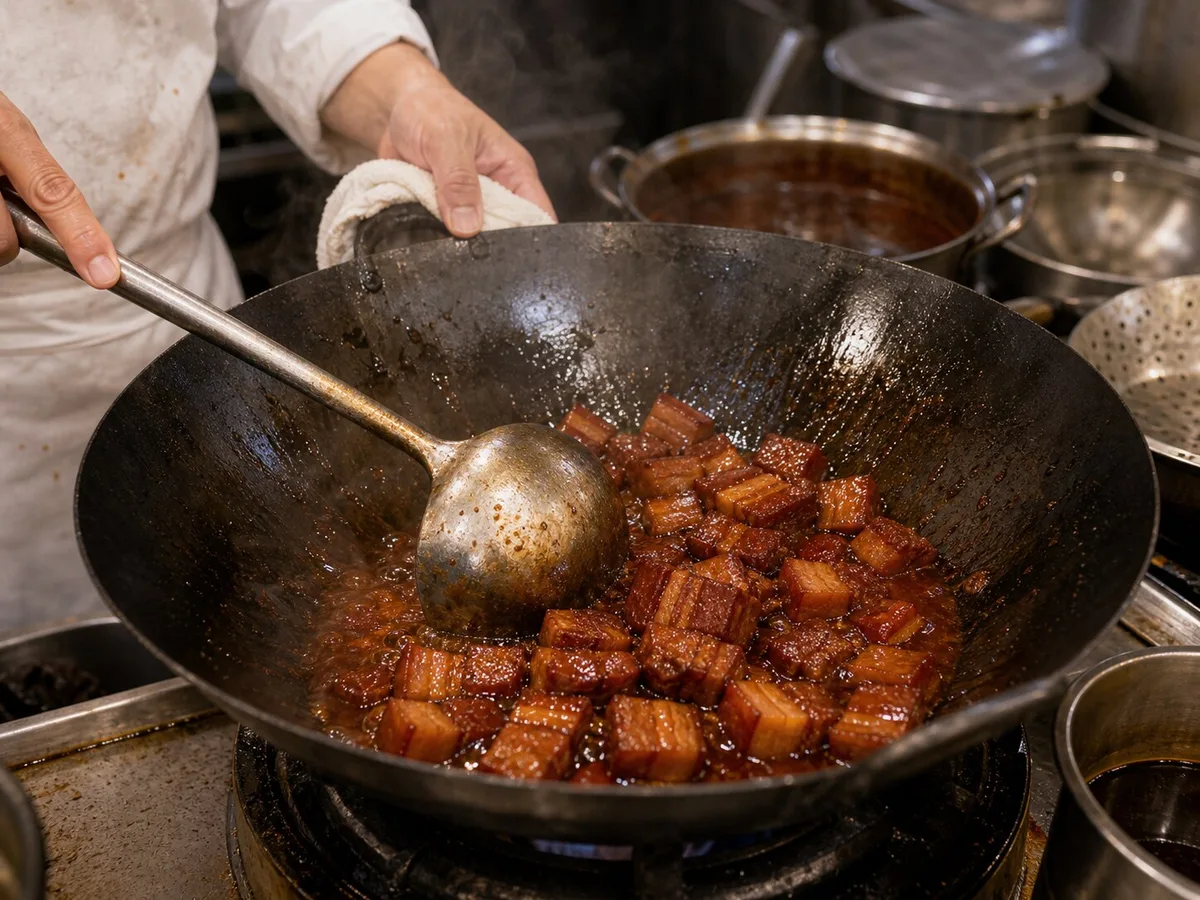
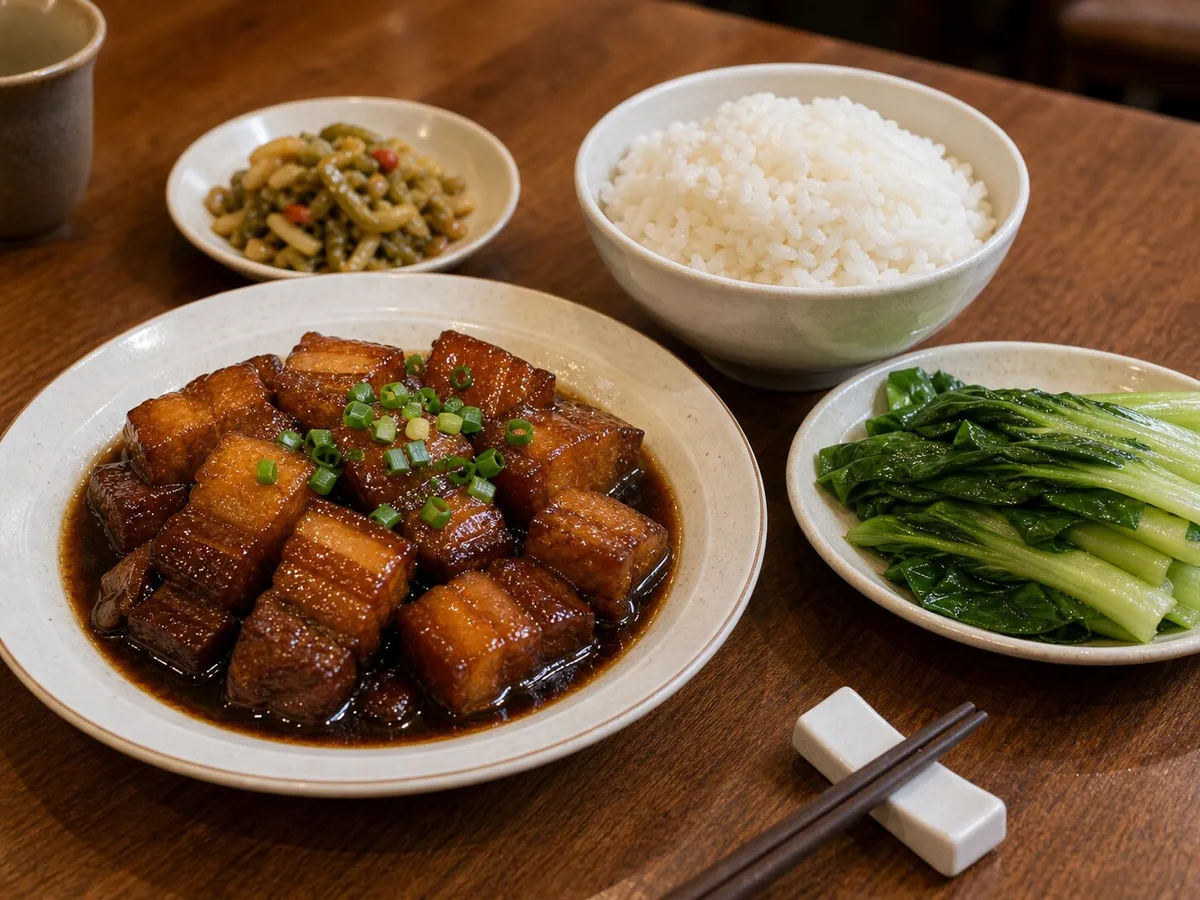
The sauce should cling to the pork rather than sit as a thin soup. A glossy surface is normal because soy sauce, sugar, pork fat, and cooking time work together. The shine should look deep and even, not sticky in a candy-like way.
If the sauce is watery, the pork may taste sweet and salty without depth. If it is reduced too far, the dish can feel heavy and burnt at the edge. A good reduction coats the pork and leaves enough sauce to season rice.
Read the Pork Belly Layers
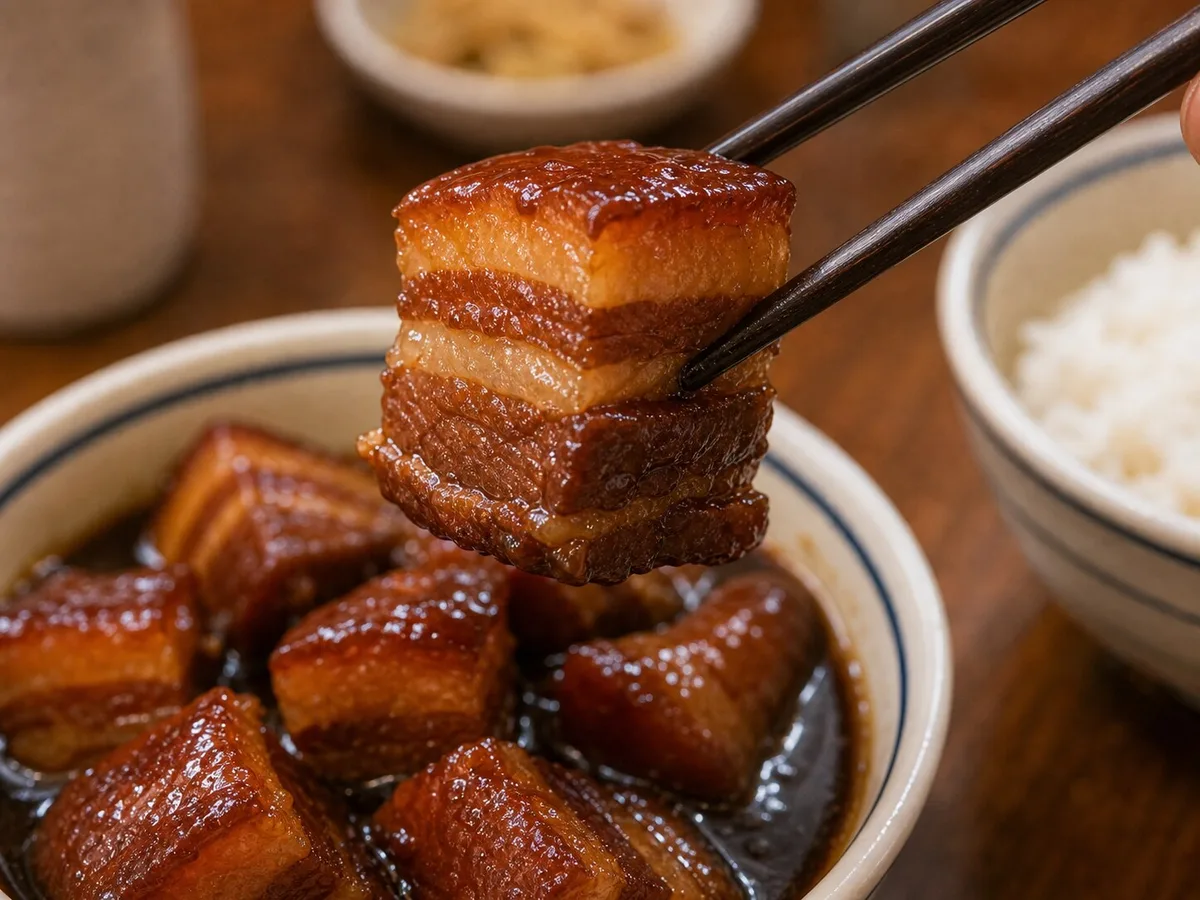
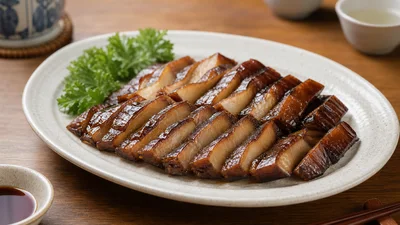
Hong shao rou depends on pork belly layers. Skin, fat, and lean meat should stay visible, but the bite should feel integrated. The fat should soften without turning rubbery, and the lean part should not become dry.
A lifted cube can tell you a lot. If it holds its shape but yields when bitten, the texture is usually right. If it collapses into oil or feels tough in the lean part, the balance is weaker.
Rice Is Part of the Dish
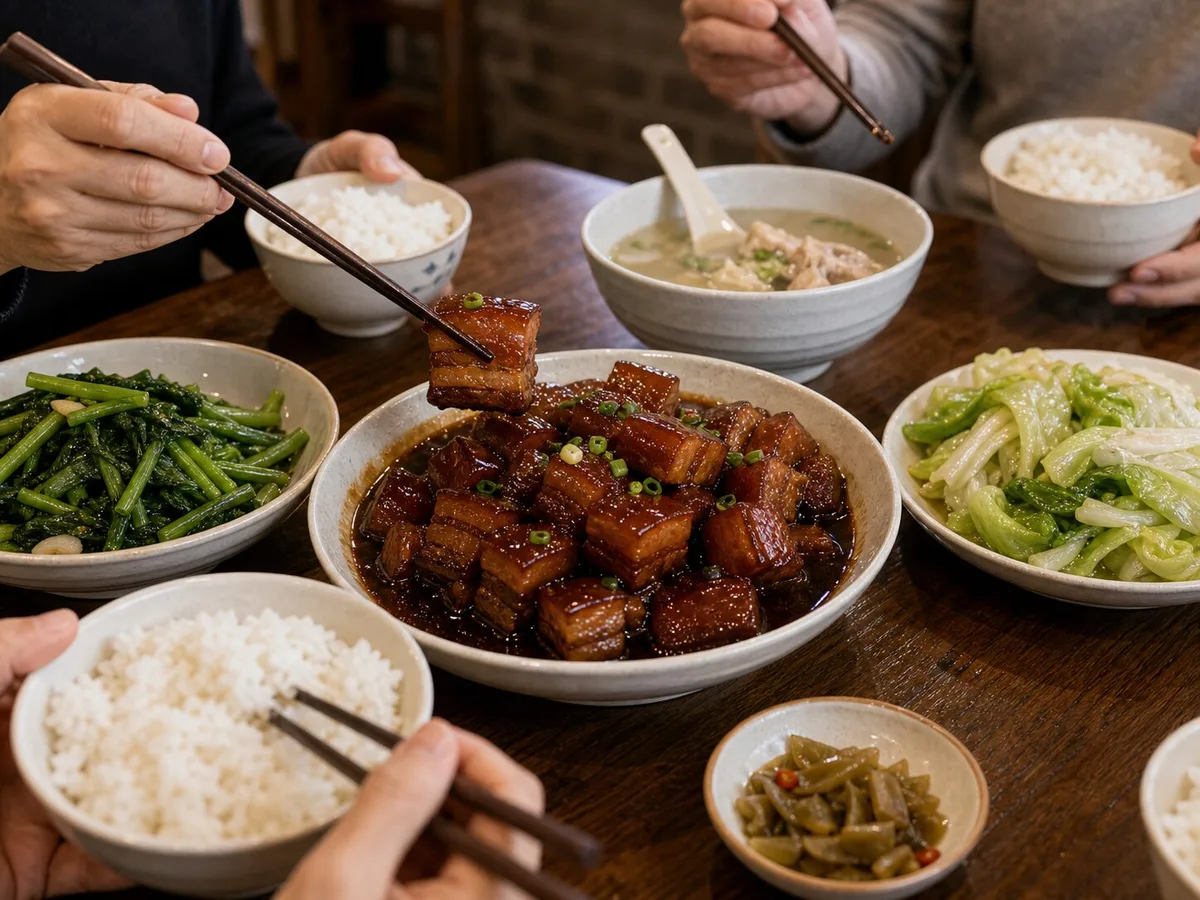
White rice is not just a filler beside hong shao rou. It catches the sauce, softens the sweetness, and gives the pork a cleaner rhythm. Without rice or another plain base, the dish can feel too concentrated.
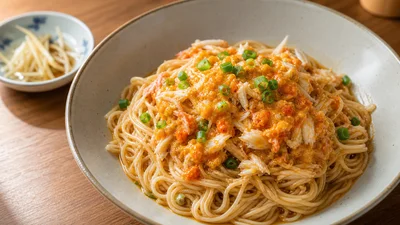
This is different from scallion oil noodles, where the noodle itself carries aroma. With hong shao rou, rice lets the sauce stay rich without taking over the whole meal.
Use Greens and Soup for Balance
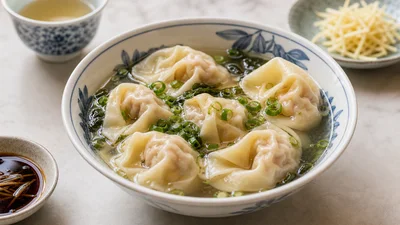
Order something green or brothy around hong shao rou. Blanched greens, stir-fried leafy vegetables, cucumber, or a light soup help reset the palate. A bowl from the Shanghai wontons topic can work when you want a soft, clear counterpoint.
Be careful about pairing hong shao rou with too many other glossy or sweet dishes. It can sit beside Shanghai rice cakes if you are sharing, but rice cakes plus pork belly plus another heavy sauce dish can make the table feel crowded.
How Much to Order
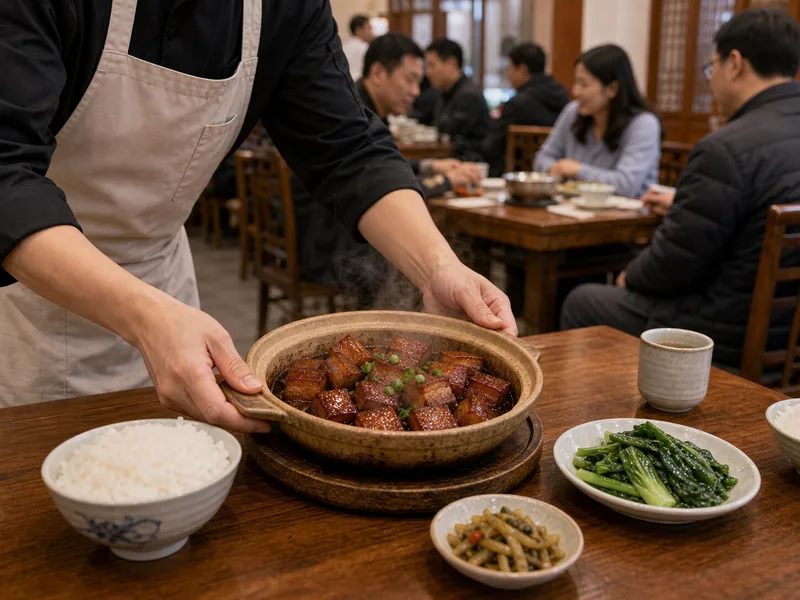
Hong shao rou is usually better shared. For one person, a small portion with rice and greens is enough. For two to four people, one plate can anchor the meal while lighter dishes fill out the table.
If the restaurant offers a very large clay pot portion, order it only when the table has enough people. The dish is satisfying because it is rich; that same richness becomes a problem if every person has to finish too much of it.
Common Mistakes
- Choosing the darkest sauce without checking whether it tastes balanced.
- Ordering hong shao rou without rice or a plain base.
- Pairing it with too many other sweet, glossy, or oily dishes.
- Assuming soft fat is enough while the lean meat has turned dry.
- Ordering a large portion for a small table and losing the pleasure of the dish.
Comments (0)