Shanghai-Style Borscht: Luosong Tang, Tomato Broth, and What to Order
A practical guide to Shanghai-style borscht, covering its tomato-rich broth, beef and vegetables, Haipai history, restaurant variations, classic pairings, and ordering tips.
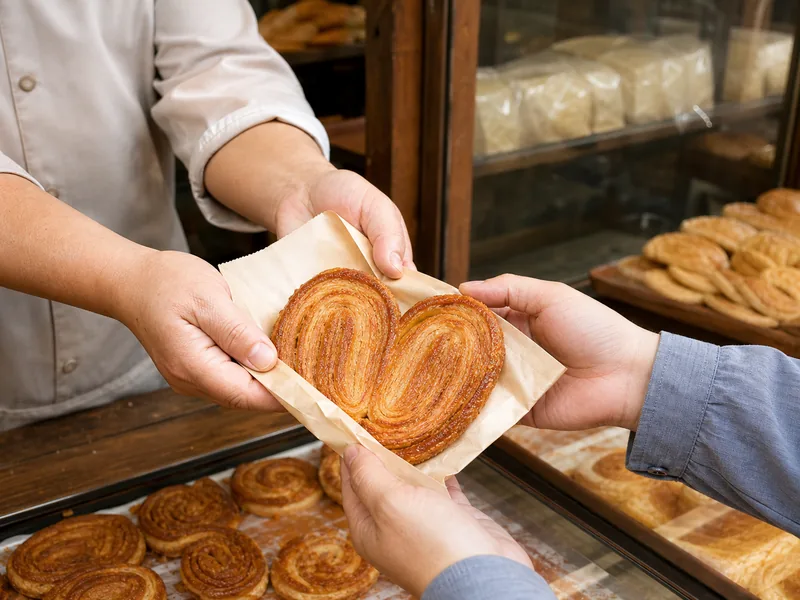
A practical guide to Shanghai butterfly crackers, covering hudie su shape, crisp puff-pastry layers, sweetness, bakery styles, storage, tea pairing, and buying tips.
Shanghai butterfly crackers are often translated as butterfly cookies, butterfly pastries, or palmiers. The local name, hudie su (蝴蝶酥), is the most useful phrase to know in a bakery. The familiar shape resembles two wings pressed together, but the real appeal is in the cross-section: many fine sheets of puff pastry, baked until they turn light, crisp, and gently caramelized.
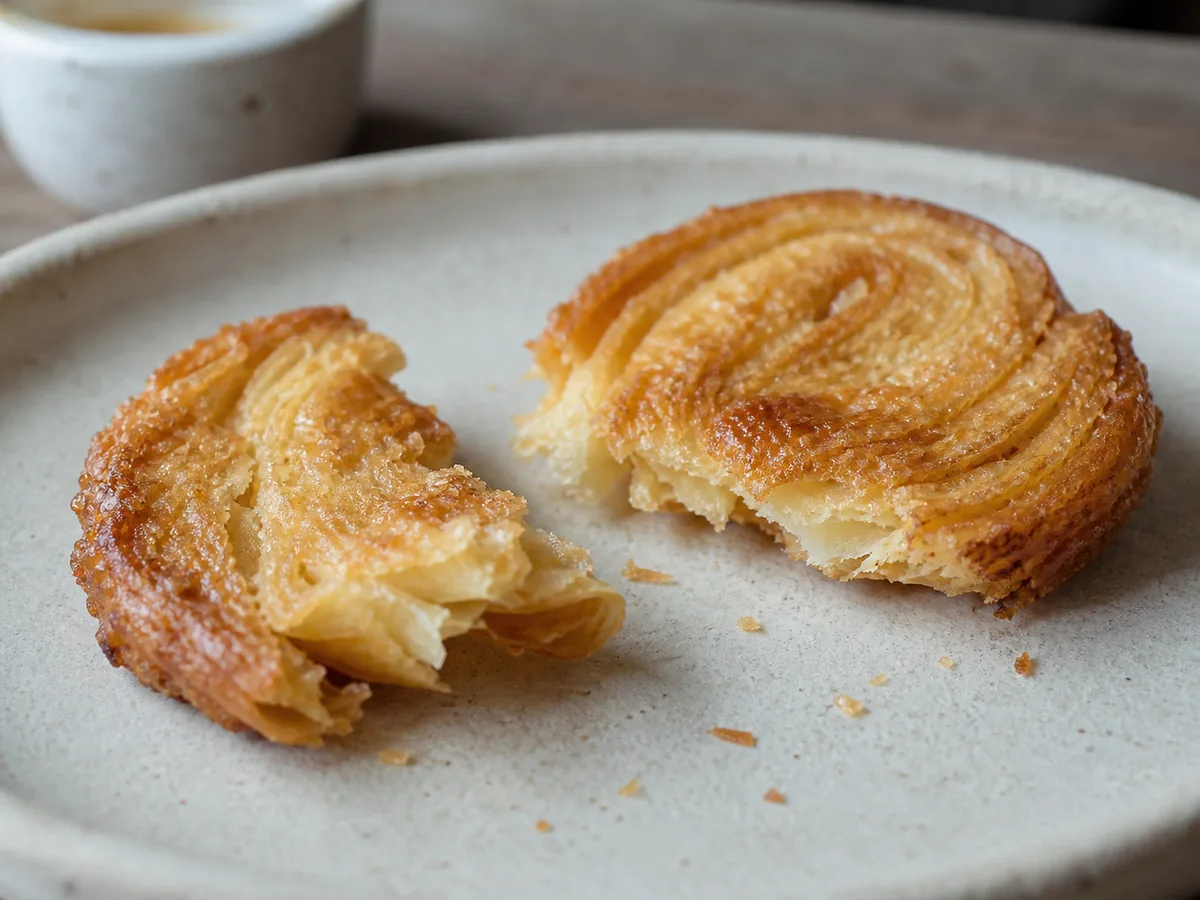
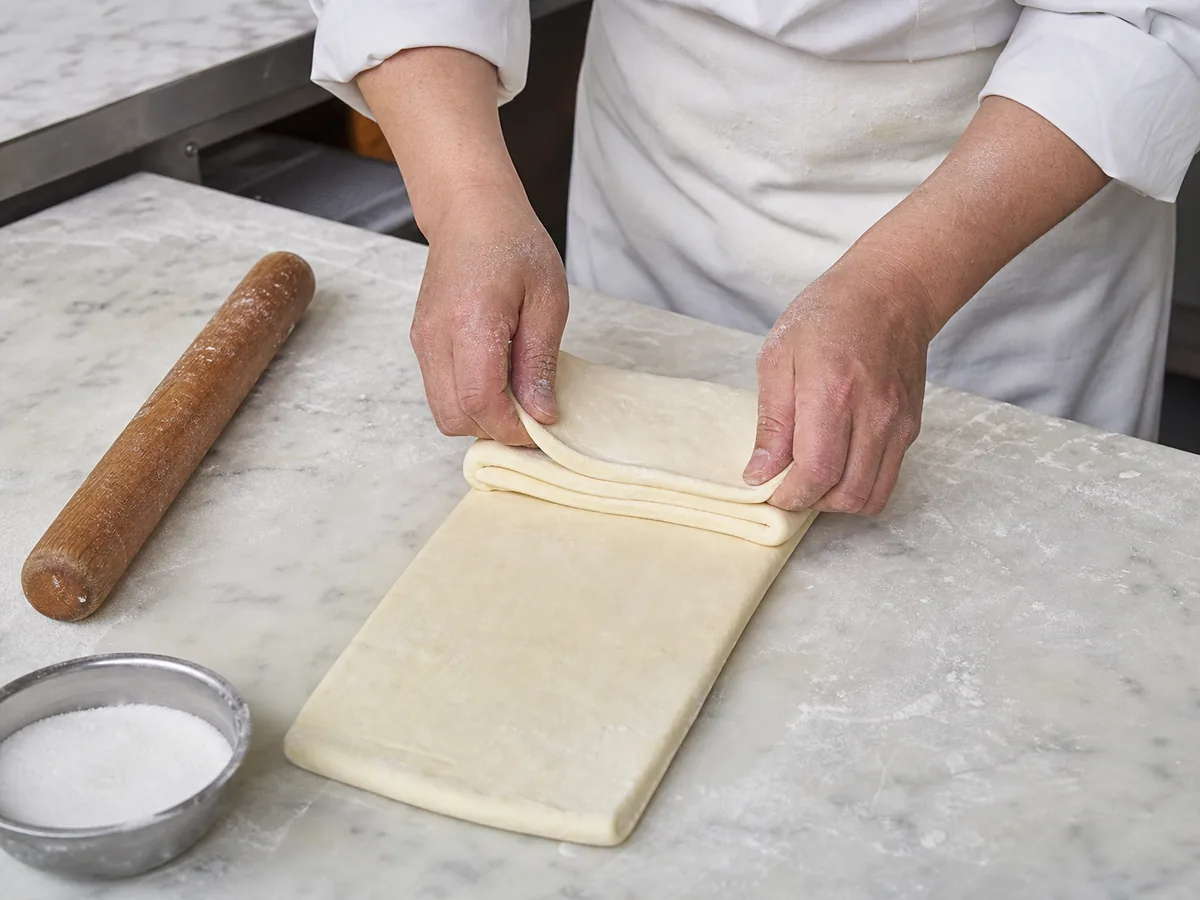
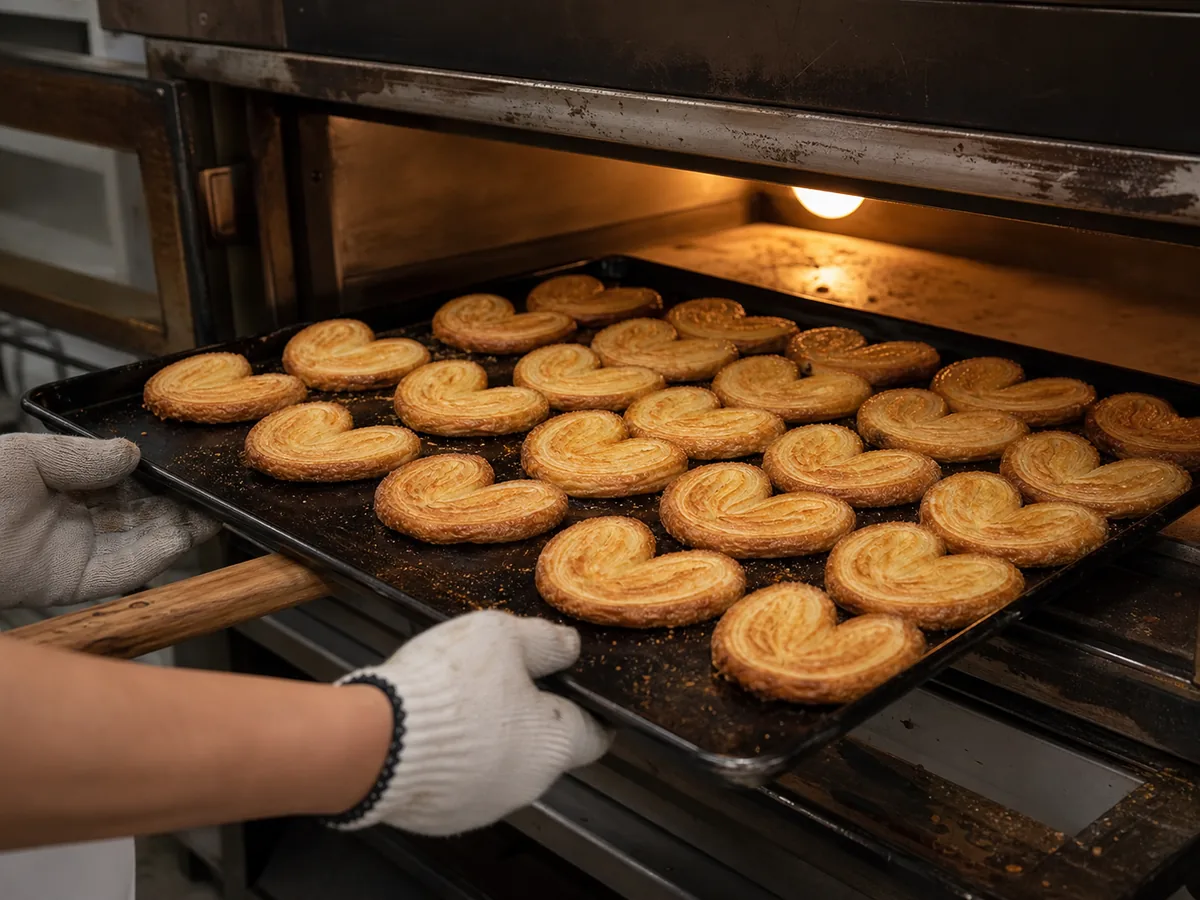
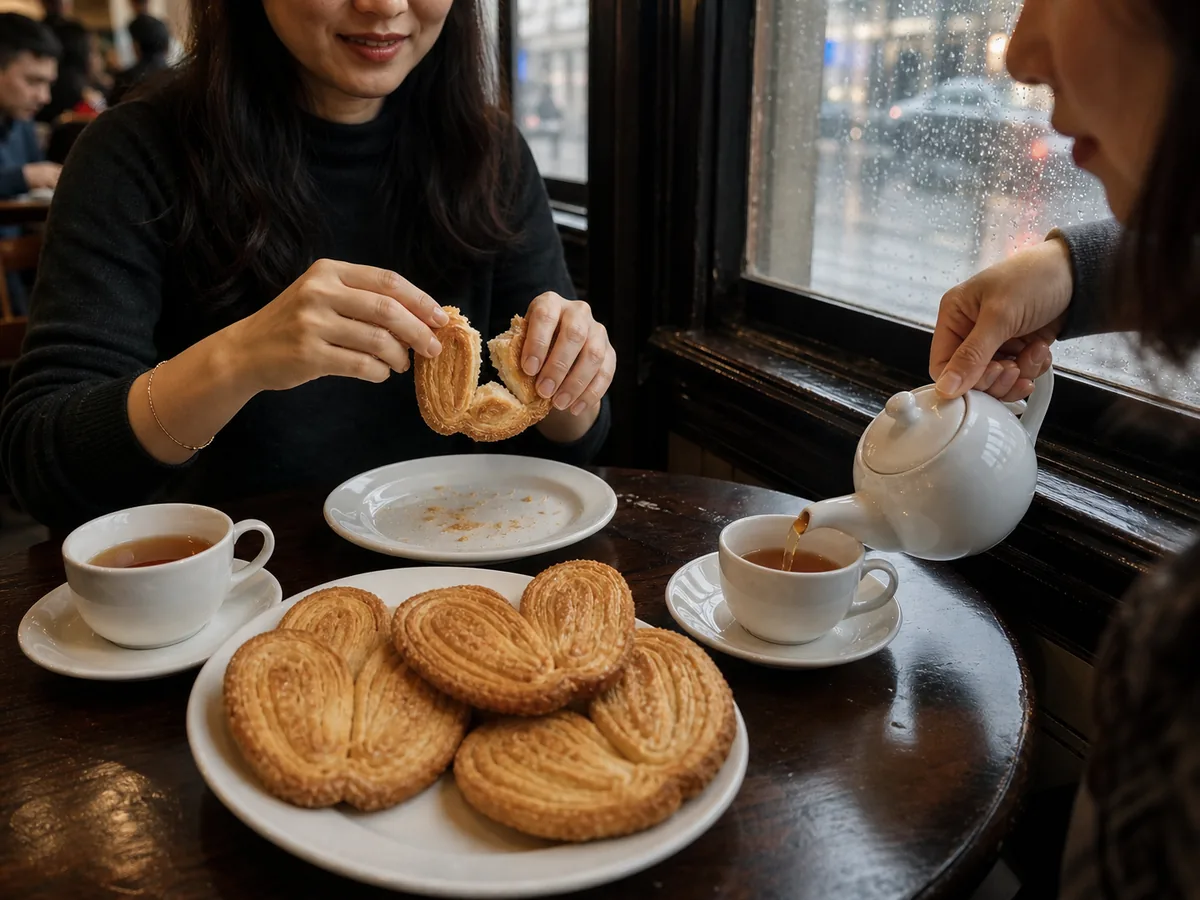
They can look simple beside cream cakes and filled pastries, yet a good butterfly cracker is difficult to fake. The dough has to be rolled and folded repeatedly with butter, cut evenly, and baked without letting the layers collapse. Shanghai bakeries made this French-derived pastry their own, favoring butter aroma and a controlled sweetness that works as an everyday snack rather than a showpiece dessert.
These names generally point to the same family of pastry. A French palmier is often called an elephant ear in English because of its broad curved shape. In Shanghai, the double curl is usually read as a butterfly, hence hudie su. English signage is inconsistent, so a menu can say palmier, butterfly cracker, butterfly cookie, or simply puff pastry.
The shape is the first clue, but it is not enough. A proper version should have visible concentric folds running through each wing, a dry crisp edge, and an airy interior. A soft, bready heart-shaped pastry may look close from a distance but does not offer the same laminated snap.
Shanghai's version grew from early 20th-century bakery culture and became one of the city's recognizable Haipai pastries. The method remains familiar to French pastry makers: butter is enclosed in dough, then rolled and folded in repeated turns to build thin alternating layers. Sugar is worked into the folds or surface so it caramelizes in the oven.
The local preference is often less sugary than heavily caramelized European palmiers. The best examples still have a clear caramel note, but it should not hide the butter or turn the whole pastry sticky. That restraint makes it easy to eat one with tea, and explains why a bag of butterfly crackers is as common a bakery purchase as a formal dessert.
Some bakeries make a large, airy butterfly cracker with wide, feathery wings. Others make smaller, flatter pieces with a firmer bite and more clearly defined layers. A crisp, travel-friendly version can be drier than one intended to be eaten immediately. Neither style is automatically better; buy according to how soon you plan to eat it and whether you want a delicate or sturdy crunch.
Modern counters may also offer cheese, seaweed, matcha, or other variations. These can be enjoyable, but the original butter version is the clearest way to understand the pastry. Start there before comparing flavored batches, especially if you are buying a gift for someone who expects the familiar Shanghai style.
Freshness matters more here than it does for many packaged biscuits. Right after baking, the edges are delicate and the layers separate with a small crackle. As the pastry sits in humid air, those layers take on moisture and lose their snap. A sealed bag helps, but it cannot restore a cracker that has already softened.
Choose a bakery that moves through batches regularly, especially when buying a large bag. If you can see the pastry, look for clean dry layers and minimal pooling sugar. A few crumbs are normal. Soft-looking surfaces, a greasy base, or a dull texture suggest that the pastry has been exposed to air or heat for too long.
Black tea and coffee are the easiest companions because their bitterness keeps the butter and sugar from becoming tiring. A butterfly cracker also works as a small afternoon snack after a lighter lunch, rather than as the final course of a large banquet. Break it over the plate: the flakes are part of the experience, and trying to bite through a large piece can scatter them everywhere.
The pastry belongs to the same broad Haipai story as Shanghai-style borscht and Shanghai deep-fried pork chop, but the comparison should stop at history. Borscht and pork chop are restaurant dishes; butterfly crackers are best treated as a bakery purchase, tea-time snack, or portable gift.
Ask for hudie su or point to 蝴蝶酥. Some counters sell by weight, while others use sealed bags or boxes. A large bag is easy to share but can be more than one traveler wants to carry around all day, so ask about smaller packs when available. Keep the package flat enough that the wings do not crack under heavier food.
For a short walk, keep the bag away from humid weather and strong-smelling foods. For a flight or train ride, leave it in its original packaging until you are ready to eat it. If a pastry has softened slightly, gentle dry heat may improve the texture, but follow the bakery's own guidance and avoid overheating the sugar.
Butterfly crackers normally contain wheat and dairy, and may contain egg depending on the bakery's dough. Flavored versions can add cheese, nuts, sesame, seaweed, or other ingredients. Cross-contact is common in bakery kitchens, so confirm directly if you need to avoid gluten, dairy, egg, nuts, or other allergens.
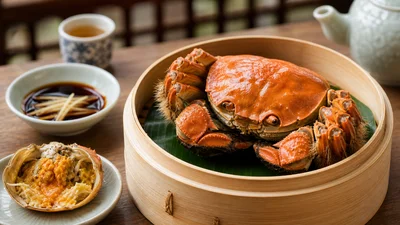
Shanghai hairy crab is a seasonal crab specialty served with ginger vinegar and small tools, with autumn matu…
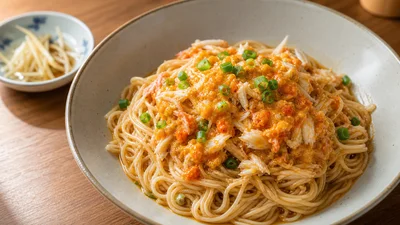
Shanghai crab roe noodles are rich seasonal noodles topped with crab roe and crab meat, best mixed carefully…
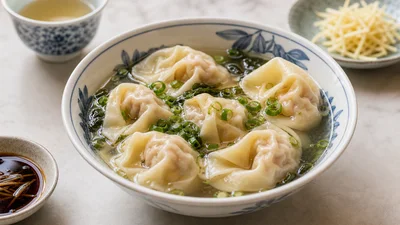
Shanghai wontons are soft folded dumplings served in clear broth, from tiny breakfast wontons to larger pork…
Comments (0)