Shanghai Fresh Meat Mooncakes: Flaky Pastry, Juicy Pork, and How to Buy Them Hot
A practical English guide to Shanghai fresh meat mooncakes, covering xian rou yue bing pastry, pork filling, freshness, queues, takeaway, reheating, and ordering tips.
A practical English guide to Shanghai sliced cold chicken, covering baizhanji texture, yellow skin, natural jelly, soy and scallion oil, sharing, ordering, and cold-dish pairings.
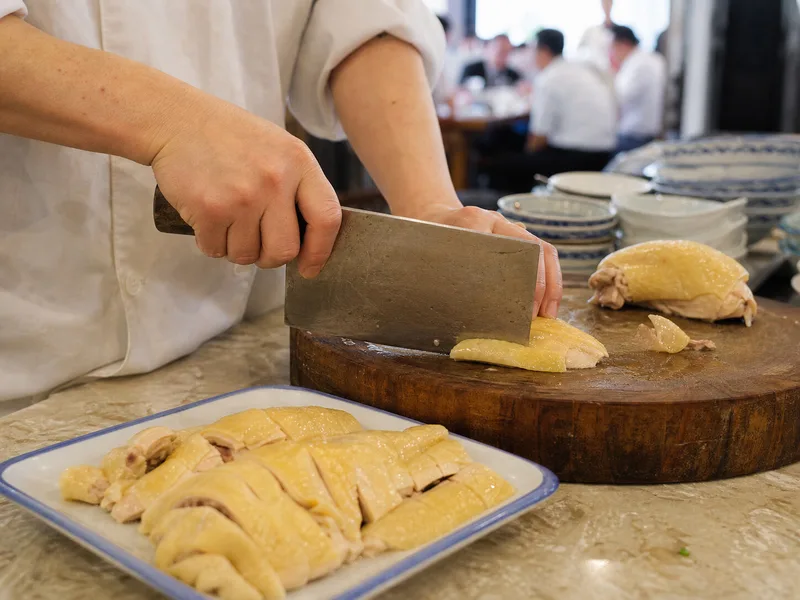
Shanghai sliced cold chicken is called baizhanji (白斩鸡). The name is sometimes translated as white-cut chicken or poached chicken, but neither translation fully conveys what diners should look for. This is a chilled chicken starter with glossy yellow skin, tender meat, and a small band of natural jelly between the skin and flesh. It arrives cut into neat, bone-in pieces and is normally accompanied by soy sauce and scallion oil.
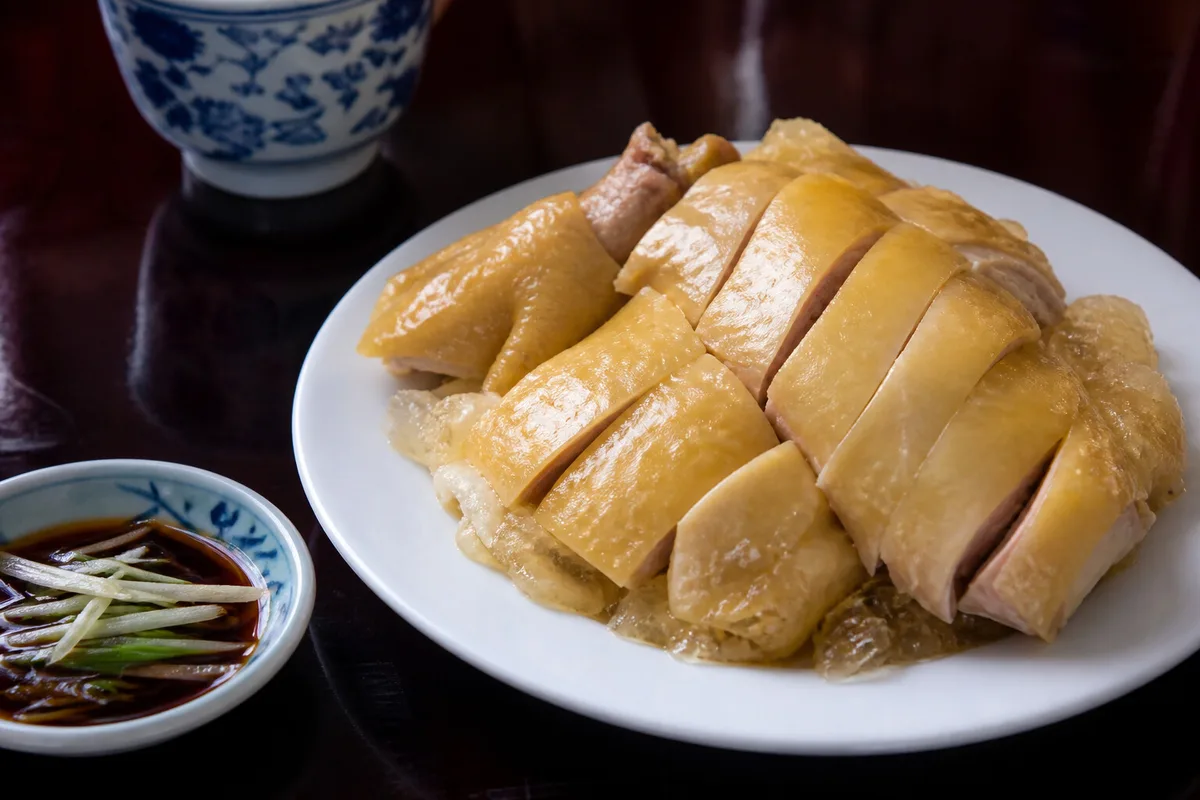
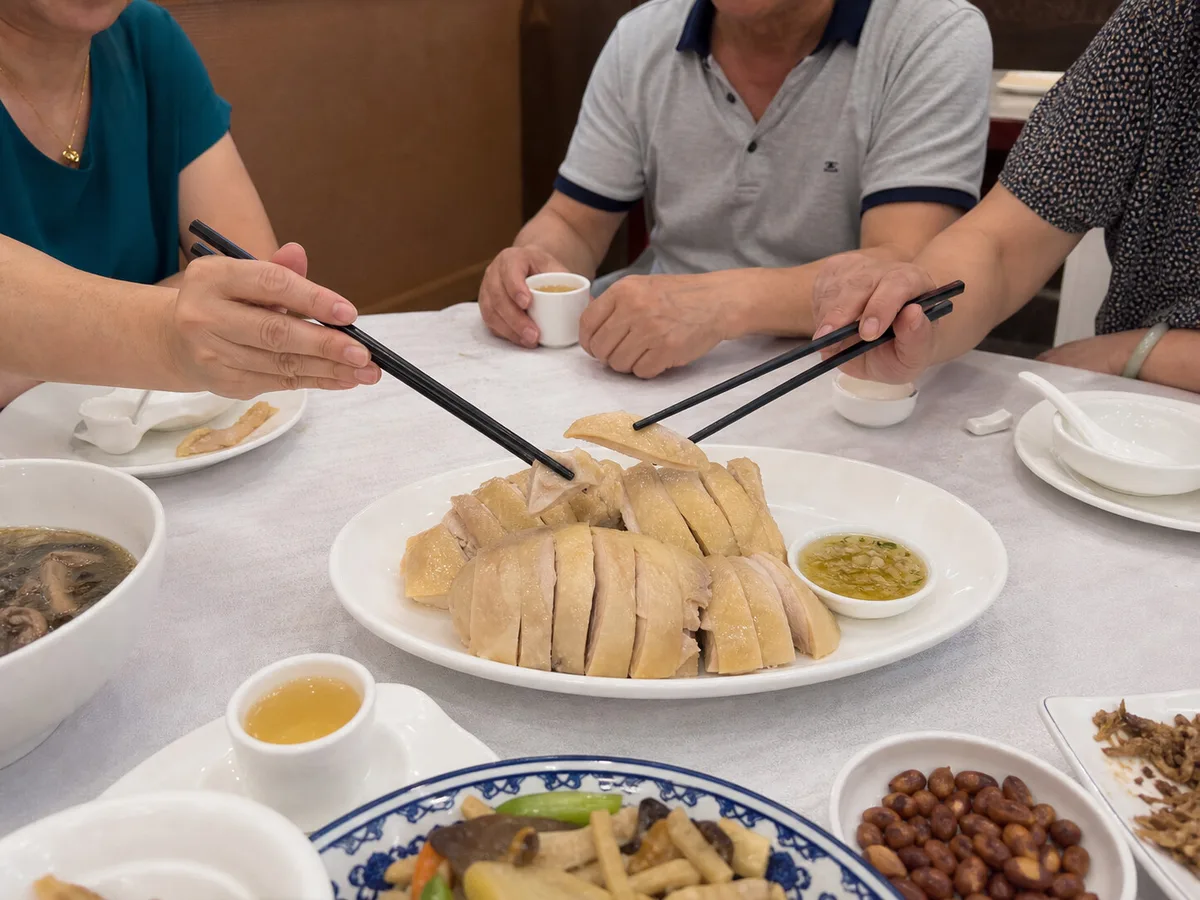
It may look simple beside a table of braises and seafood, yet it is one of the clearest tests of a restaurant's cold-dish work. There is no thick sauce or forceful spice to hide dry meat, overcooked skin, or old chicken. A well-made plate tastes clean, lightly chicken-forward, and more delicate than its golden appearance suggests.
Do not order it expecting crisp roast skin, a smoky marinade, or a fried coating. The chicken is gently cooked, then cooled so the skin becomes springy and the meat stays tender. Its flavor comes mainly from the bird itself and the small amount of dipping sauce used at the table.
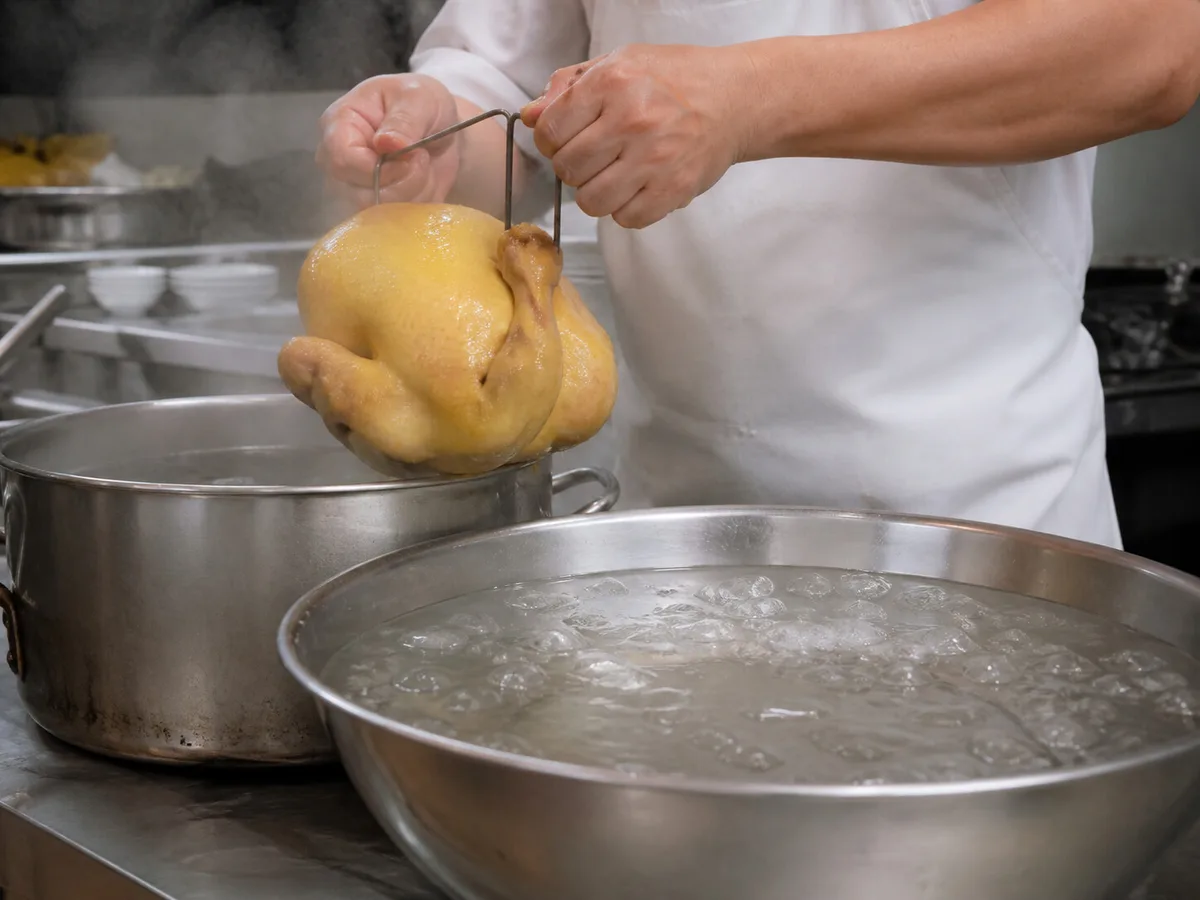
The Shanghai Municipal People's Government describes the essential technique as alternating hot water and iced water. That cooling step helps create the contrast between soft meat and firmer skin. The bird is ideally cut just before serving, which is why a freshly sliced plate can feel more lively than chicken that has been sitting pre-portioned in a refrigerated display.
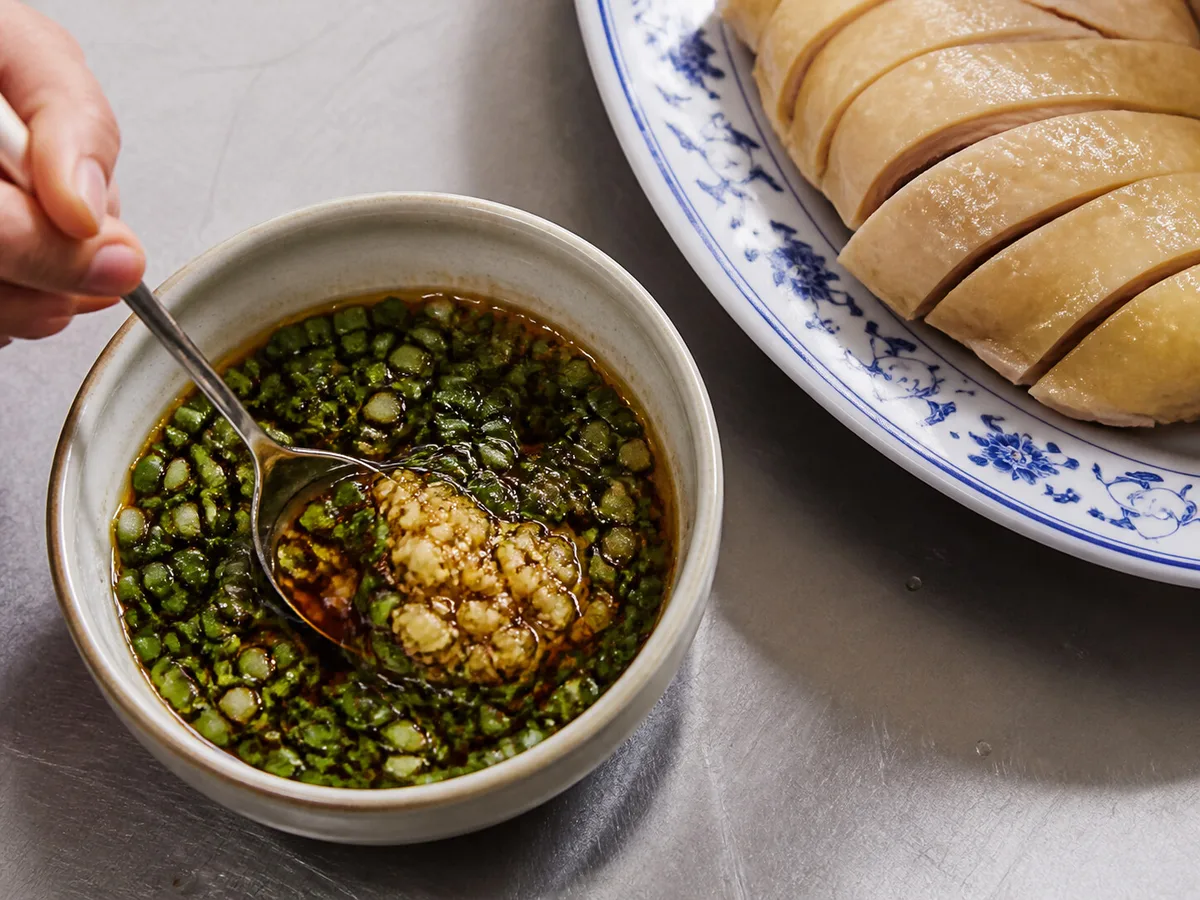
A typical Shanghai accompaniment combines light soy sauce with fragrant scallion oil; some restaurants add minced ginger. Start with one small dip. The point is to add salt and aroma while leaving the chicken recognizable. Pouring sauce across the entire platter makes the skin slick and prevents you from noticing the different textures.
This gentle approach is part of why baizhanji is a useful first dish for visitors. It shows how Shanghai cooking can place freshness and control above heavy seasoning. If you enjoy the scallion fragrance, the same ingredient appears in a very different format in Shanghai scallion oil noodles, where it becomes the main flavor of a hot bowl rather than a supporting dip.
Say baizhanji, or point to 白斩鸡 on the menu. It is usually a shared cold starter, not an individual main course. A small plate suits two diners who are ordering several dishes; larger groups can add it as part of a wider cold-dish selection.
Order it near the beginning and eat it early. Its cool, clean texture is most useful before a rich dish such as Shanghai red-braised pork belly, a warming bowl of yanduxian soup, or a starch-heavy course. It also makes a good contrast with Shanghai smoked fish: smoked fish is fried and sweet-savory, while sliced cold chicken is pale, fresh, and gently seasoned.
Some shops sell cold chicken by weight at a cooked-food counter; others serve it on a restaurant platter. At a counter, ask whether the chicken was cut recently and keep the sauce separate until you eat it. For a sit-down meal, a just-sliced plate is preferable because the skin has not dried at the cut edges.
Do not judge quality only by the color. A natural yellow tone is appealing, but the better evidence is supple skin, moist meat, and clean cutting. Very bright artificial-looking color, excessive sauce, or meat that flakes apart at the touch can distract from the qualities this dish is meant to show.
For two or three diners, start with sliced cold chicken and one contrasting cold dish. Shanghai kaofu brings a sweet-savory braised wheat-gluten texture; smoked fish brings a darker, richer fried element. Then move to a hot shared dish and rice or noodles. This sequence keeps the opening course varied without making every plate heavy.
For a festive or family meal, sliced cold chicken also works as a calm element between more elaborate dishes. Its restrained flavor gives diners a break from sauces and helps the table feel intentionally balanced rather than simply full.
Baizhanji is served chilled, so choose a clean, busy restaurant or cooked-food counter with good turnover. The plate should be cool and fresh-smelling, never sour, overly wet, or warm at the center. Eat it promptly once it arrives and follow the shop's storage guidance if taking it away.
The chicken itself is naturally gluten-free, but soy sauce commonly contains wheat and kitchens may use shared equipment. Scallion oil can include ginger or other aromatics. Ask the restaurant directly for allergen details. The dish is unsuitable for vegetarians and may not suit diners who prefer thoroughly hot food.
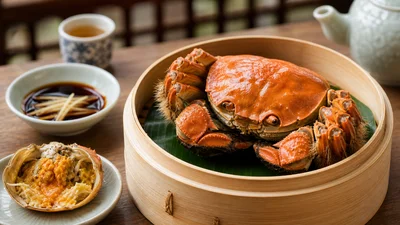
Shanghai hairy crab is a seasonal crab specialty served with ginger vinegar and small tools, with autumn matu…
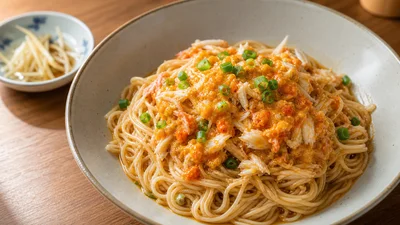
Shanghai crab roe noodles are rich seasonal noodles topped with crab roe and crab meat, best mixed carefully…
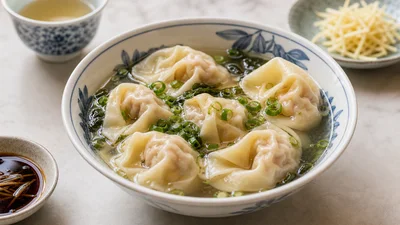
Shanghai wontons are soft folded dumplings served in clear broth, from tiny breakfast wontons to larger pork…
Comments (0)