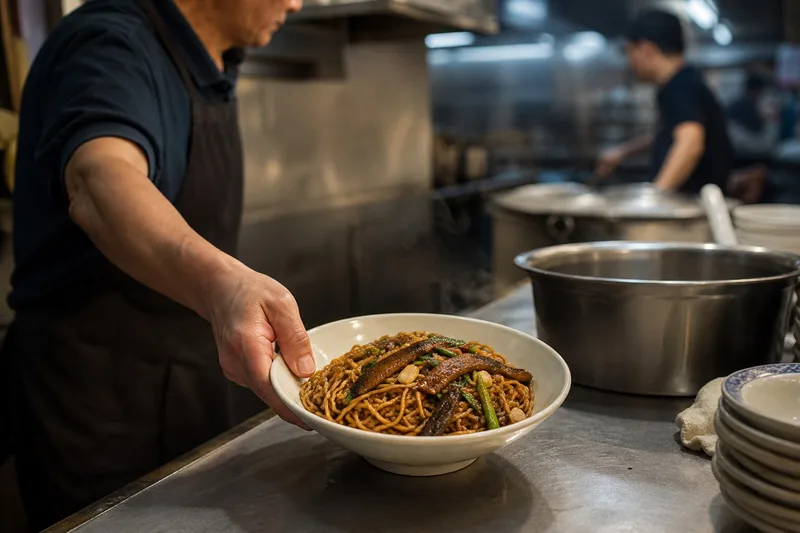
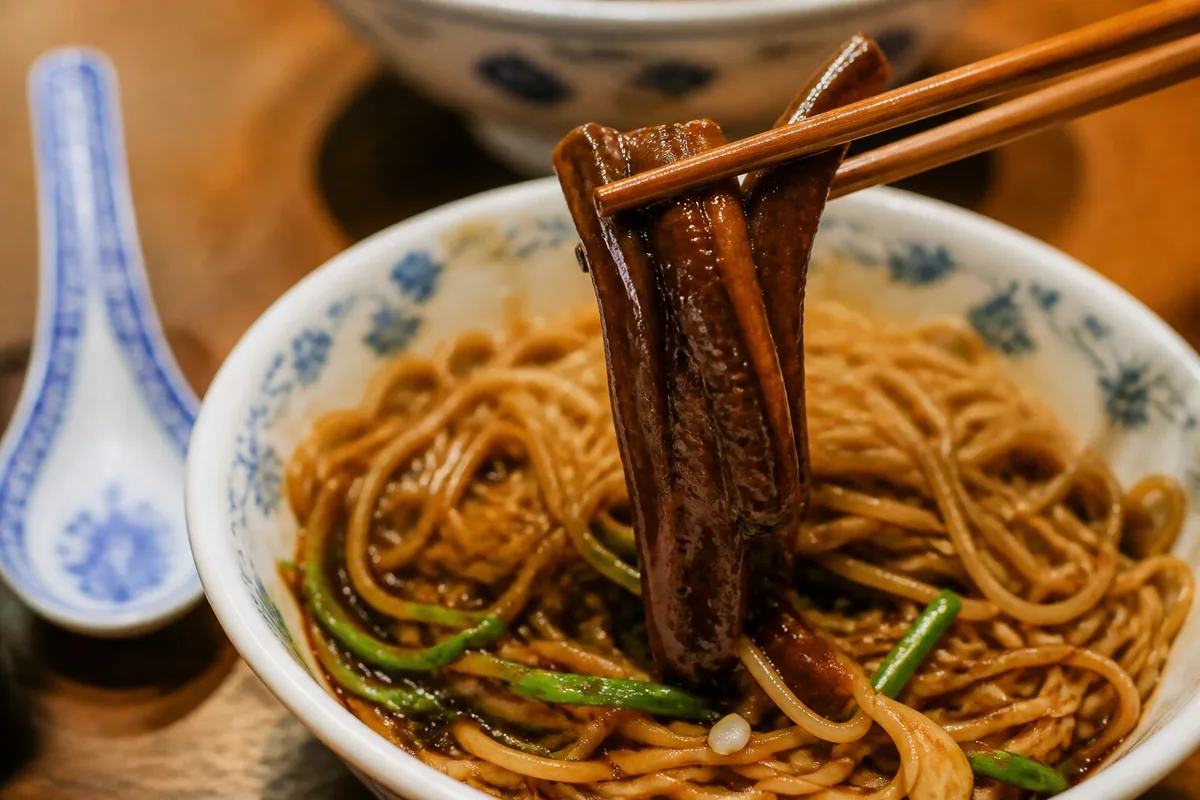
Shanghai eel noodles are one of the city's most satisfying ways to turn a noodle bowl into a full meal. Usually listed as shredded eel noodles, the dish brings together tender eel strips, thin wheat noodles, a dark savory sauce, garlic, pepper, and green aromatics. It is not a showy seafood platter. Its appeal is the way a well-made bowl balances the spring of the noodles against the soft, glossy richness of eel.
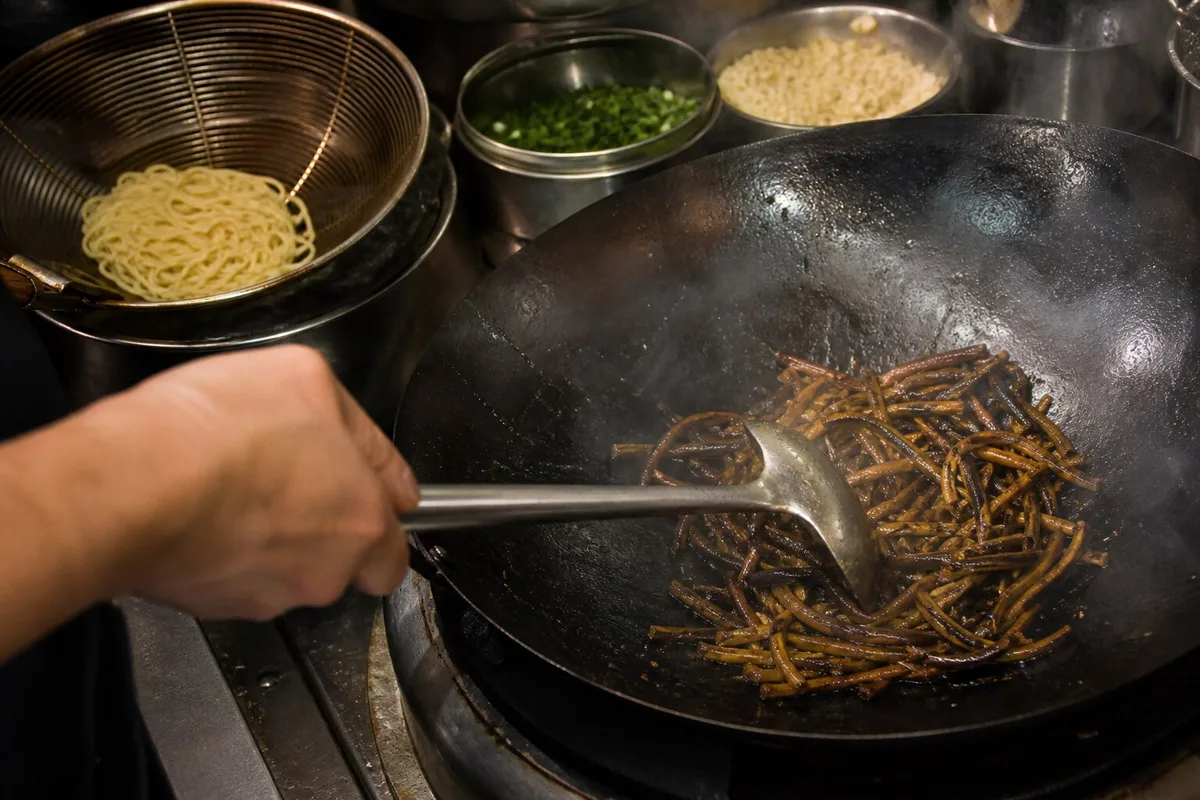
For visitors, the useful question is not whether eel noodles are “spicy”. It is how the shop builds the bowl. Some serve the noodles in soup; others serve a drier bowl meant to be mixed with its sauce. Shanghai's official English food guide describes a local noodle shop whose shredded eel noodles are stir-fried and mixed with pepper and garlic, which captures the aromatic direction diners should expect without reducing the dish to a single fixed recipe.
What Are Shanghai Eel Noodles?
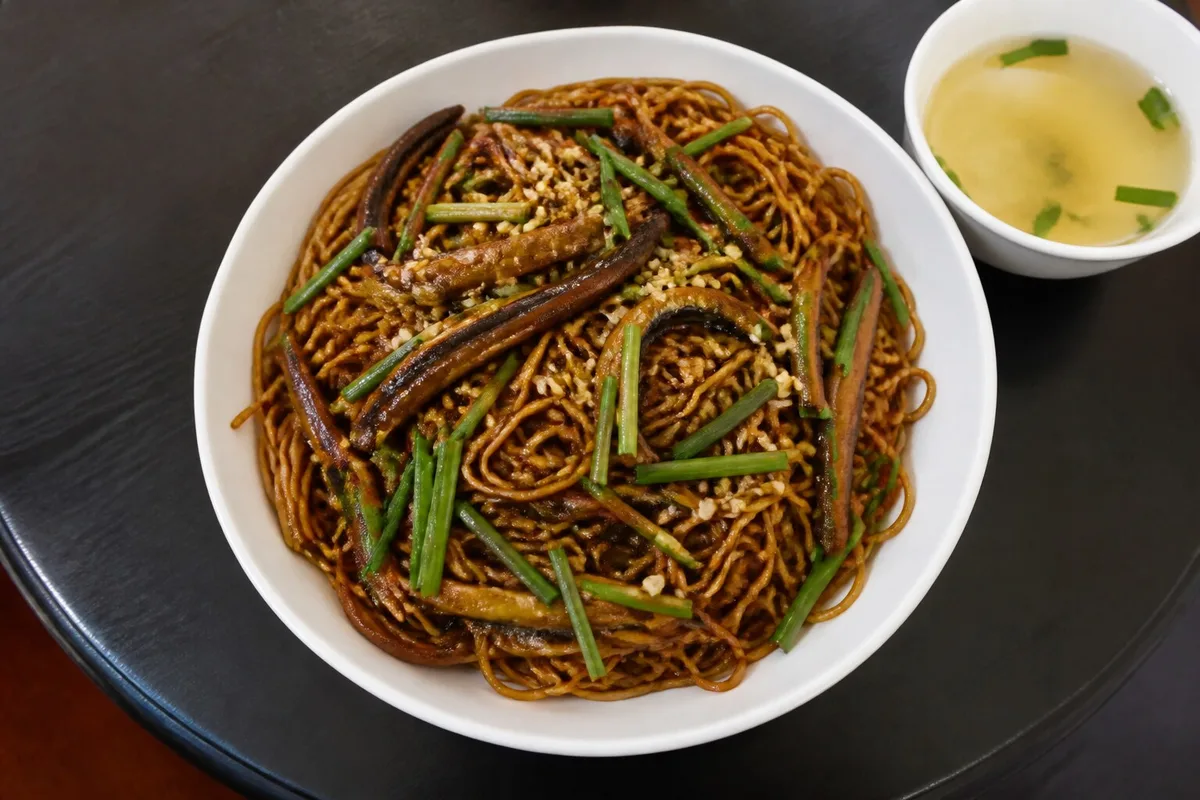
On a menu, you may see “shredded eel noodles”, “eel noodles”, or the Chinese name shansi mian (鳝丝面). The eel is cut into narrow strips and cooked until tender. It is then paired with noodles rather than presented as a large standalone fish dish. The result is savory and rounded, with more depth than a plain noodle bowl but a cleaner finish than a heavy stew.
The exact preparation changes from shop to shop. Some bowls are more sauce-led and some more brothy; garlic, pepper, scallions, chives, or a hint of chili may appear in different proportions. That variation is normal. Instead of chasing one universal version, use the menu wording and the shop's service style to decide what will suit you.
Dry Eel Noodles Versus Eel Noodle Soup
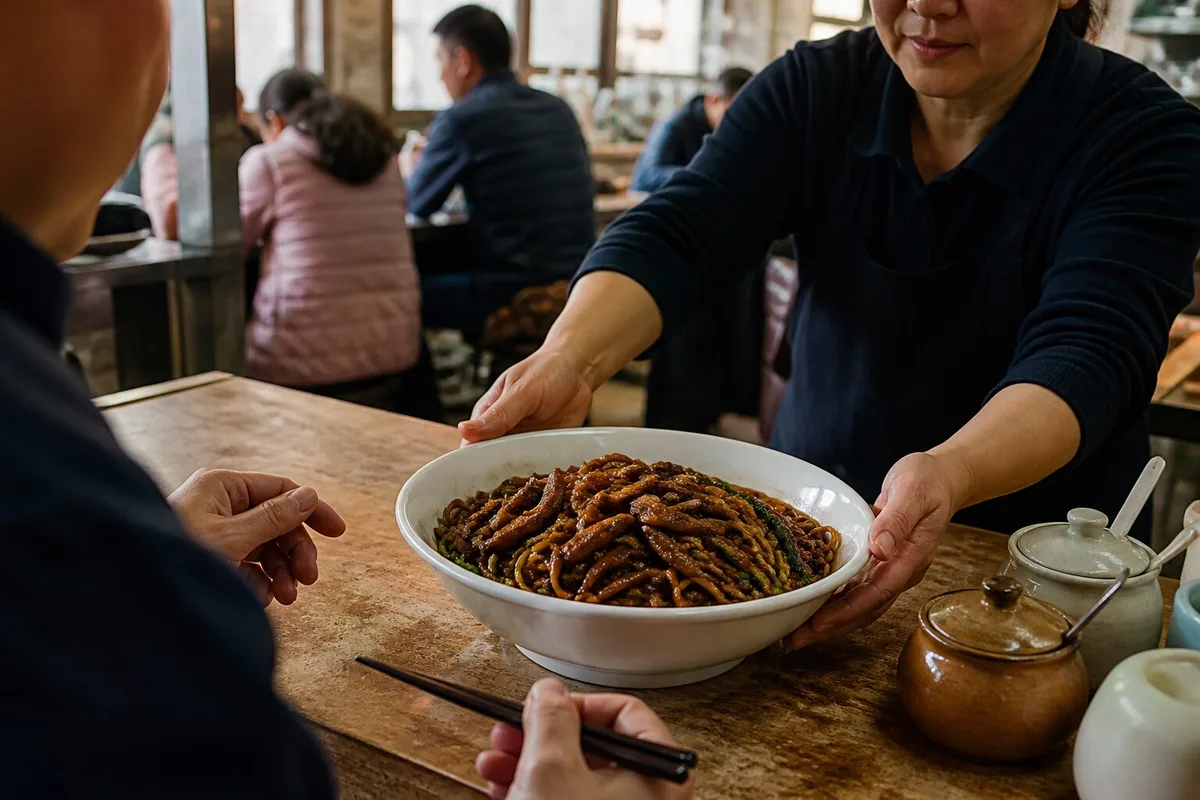
A dry-style bowl is usually the better first order when you want to understand the eel, sauce, garlic, and pepper. The noodles are tossed, so the flavors stay close to the strands. Mix from the bottom as soon as it arrives, but do not work the bowl aggressively: two lifts with chopsticks are normally enough to coat the noodles without breaking up the eel.
Soup eel noodles are gentler. The broth softens the sauce and makes the bowl easier to eat slowly, particularly on a cooler day. If you are unsure, ask whether the shop's signature eel noodle is a soup or dry preparation. A shop known for fresh wok work may make the dry version its strength, while another may be valued for a light but savory noodle broth.
How to Recognize a Good Bowl
- The eel is defined: the strips should be visible and tender, not shredded into a dark, indistinct sauce.
- The noodles still have movement: lift a small bundle. They should separate easily rather than arrive as one soft clump.
- The sauce coats instead of floods: in a dry bowl, a glossy sheen is desirable; a deep puddle at the bottom usually makes the final bites too salty.
- The aromatics smell fresh: pepper and garlic should brighten the eel, not make the bowl taste only of heat.
Eel has a naturally rich character, so restraint matters. A good bowl feels savory and warming but leaves you able to taste the noodle itself. It should not feel like every element has been pushed toward sweetness, chili, or oil.
How to Order at a Shanghai Noodle Shop
Ask for shansi mian, or point to 鳝丝面. If an English menu says shredded eel noodles, that is usually the clearest match. Check whether the bowl is offered with soup, and whether garlic or pepper is already included. It is sensible to begin with the standard bowl rather than ordering extra seasoning immediately.
This is a good one-person lunch, but it also works as a shared starch course for two diners. When you want a fuller table, start with Shanghai sliced cold chicken as a cool, delicate opening and add a vegetable or a clear soup. The contrast keeps the eel noodles from becoming the only rich note in the meal.
Garlic, Pepper, and the First Mix
Garlic and pepper are part of the appeal, especially in a stir-fried version. Their job is to sharpen the bowl's aroma, not to conceal eel quality. Take the first bite after mixing lightly. If you enjoy more warmth, add pepper in small increments. If chili oil is available, use it even more carefully; it can quickly dominate the eel and turn the bowl into something less distinctly Shanghai.
The same advice applies to vinegar. It can refresh a bowl that feels overly rich, but too much acid blurs the sauce. If you want a noodle dish built around one bold aromatic instead, Shanghai scallion oil noodles make the comparison clear: browned scallion is the central flavor there, while eel noodles depend on the combination of seafood richness, garlic, pepper, and sauce.
Pairing Eel Noodles Without Overloading the Table
For a quick lunch, keep the bowl focused. A small cold vegetable or a light soup is enough. For dinner, eel noodles can follow two cold starters but should not be placed beside several other dark braises and starches. A plate of Shanghai smoked fish can work for diners who enjoy sweet-savory cold dishes, though the rest of the order should stay lighter.
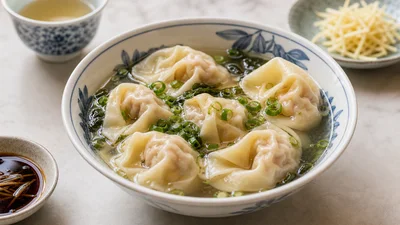
Another useful pairing is a small bowl of Shanghai wonton soup shared between two people, particularly when the eel noodles are dry. The clear broth gives the meal a softer rhythm without demanding another heavy sauce.
When to Choose This Bowl
Choose eel noodles when you want a local noodle meal with a savory, slightly luxurious feel. It is especially good for diners who enjoy seafood but want something more practical than a banquet-style fish course. The bowl is best eaten promptly: as it cools, the sauce thickens and the noodles lose their spring.
It may not be the right choice for someone seeking a very mild, plain bowl or avoiding fish. In that case, a classic wonton soup or scallion oil noodles may be more comfortable. The value of eel noodles lies in their contrast and aroma, so order them when you are ready to pay attention to the first hot bites.
Common Ordering Mistakes
- Assuming “eel noodles” means one identical recipe at every shop.
- Adding chili, vinegar, or extra sauce before tasting the standard seasoning.
- Leaving a dry bowl untouched while several other dishes arrive.
- Expecting a large fried eel dish rather than tender strips integrated with noodles.
- Pairing it with several other rich noodle or rice dishes instead of giving it a clear place in the meal.
Allergies and Dietary Notes
Shanghai eel noodles contain fish and wheat noodles. Soy sauce, broth, and shared wok equipment can add gluten or other allergens, and some shops may use shellfish-based seasonings. Ask the restaurant directly if you have a fish, shellfish, gluten, or garlic allergy. The dish is not vegetarian or vegan.
Comments (0)