Shanghai Eel Noodles: Shredded Eel, Garlic, Pepper, and How to Order
A practical English guide to Shanghai eel noodles, covering shredded eel, dry and soup styles, nood…
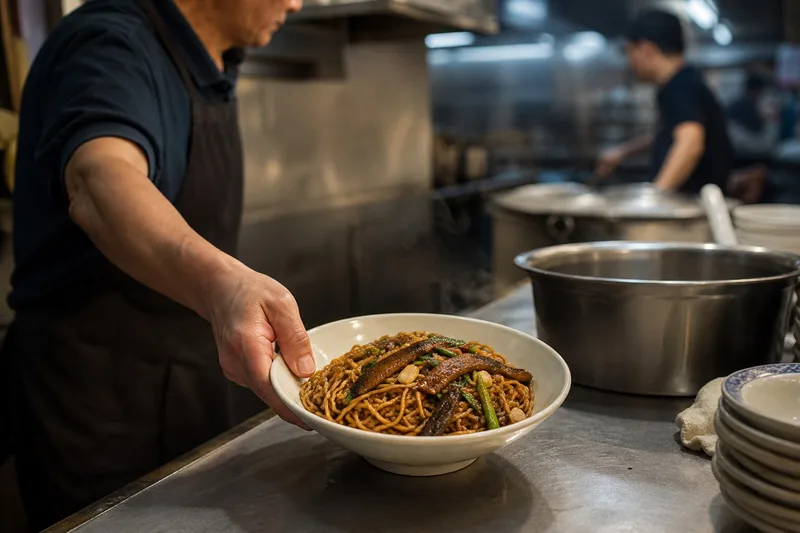
Shanghai eel noodles bring together tender eel shreds, thin noodles, fragrant garlic, pepper, and a dark savory sauce in a satisfying local bowl.
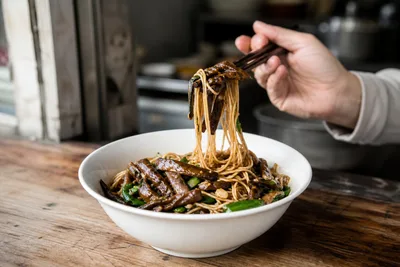
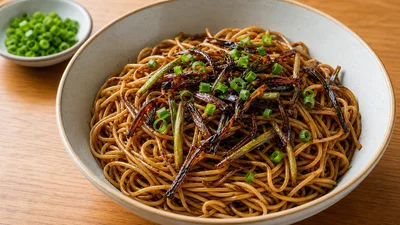
Shanghai eel noodles are a rewarding choice when you want a bowl with more depth than a simple scallion-oil noodle but less heaviness than a large shared braise. The dish combines tender shreds of eel with thin wheat noodles, a savory sauce, garlic, pepper, and green aromatics. It is often listed as shredded eel noodles, and menus may offer either a saucy dry-tossed bowl or a soup version.
The best bowls keep the eel and noodles recognizable as separate parts of the dish. The eel should be soft and glossy rather than muddy or over-sauced, while the noodles should remain springy enough to carry the sauce. A little garlic and pepper give the bowl lift, especially after the first mix.
Eel brings a deeper, slightly sweet richness that is unlike pork, beef, or crab roe. The noodles act as a clean base, while the sauce and aromatics connect the two. This makes eel noodles especially satisfying for lunch or a cooler evening, when a modestly rich bowl feels more complete than a snack but still does not need to become a multi-dish meal.
Ask whether the shop serves the eel noodles with soup or without it. A dry-tossed bowl puts the eel sauce, garlic, and pepper in the foreground, so it is the better choice for diners who want the aromatic side of the dish. A soup bowl feels gentler and is useful when you want more broth. Neither is automatically better: choose by whether you want to taste the sauce closely or prefer a warmer, more relaxed bowl.
Look for shredded eel noodles on an English menu, or ask for shansi mian (鳝丝面). If the menu distinguishes soup and dry noodles, decide before ordering rather than assuming every shop prepares the bowl the same way. Start with the standard seasoning, then add pepper or a small amount of chili only after tasting; the eel's mild sweetness can disappear under too much heat.
For a quick meal, the bowl stands on its own. When sharing several dishes, it is better used as the starch course after lighter plates. A cool starter such as Shanghai sliced cold chicken gives the meal a clean opening, while Shanghai smoked fish offers a sweet-savory counterpoint. Avoid ordering several rich noodle bowls at once; their sauces compete instead of making the table more varied.
Mix from the bottom once or twice so the noodles pick up the sauce without breaking the eel. Then take a bite containing both. The dish is most appealing while hot, when the eel remains tender and the garlic aroma is still clear. If there is a side broth, sip it between bites rather than pouring it over a dry bowl.
The bowl also shows a useful contrast with Shanghai scallion oil noodles. Scallion noodles are direct and fragrant, centered on browned scallions and soy. Eel noodles are darker and more layered, with seafood richness and peppery garlic in the foreground. Choosing between them is less about which is more traditional than about which mood you want from lunch.
Eel noodles suit one or two diners who want something local but not a formal banquet dish. They are a practical lunch choice near a noodle shop, especially if the shop makes noodles to order and the bowl arrives quickly. For a larger dinner, consider one shared noodle bowl alongside a vegetable dish and a lighter protein. The noodles should support the meal, not crowd out every other flavor.
This dish contains fish and wheat noodles. The sauce may include soy sauce and the kitchen may use shared woks or broth, so diners with fish, gluten, or shellfish concerns should ask the shop directly. It is not vegetarian, and garlic or chili additions can vary by restaurant.
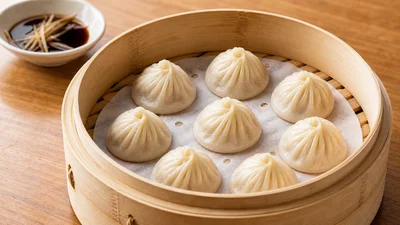
Shanghai xiaolongbao are delicate steamed soup dumplings with thin wrappers, hot broth, pork filling, and a b…
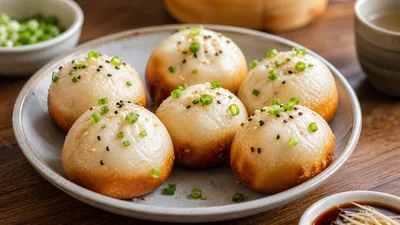
Shanghai shengjian mantou are pan-fried soup buns with soft tops, crisp golden bottoms, sesame, scallions, an…
Shanghai scallion oil noodles are thin wheat noodles mixed while hot with fried scallions and soy-based sauce…