Shanghai xiaolongbao are easy to recognize but easy to eat badly. The dumpling looks small and quiet in the bamboo steamer, yet the wrapper holds hot broth, pork filling, and enough pressure that one rushed bite can waste the soup or burn your mouth.
This guide focuses on the table details visitors usually notice after reading the Nanxiang xiaolongbao guide: how the vinegar and ginger should be used, why the spoon matters, how to judge the pleats, and what to order if you want a more complete Shanghai meal.
Start With the Steamer
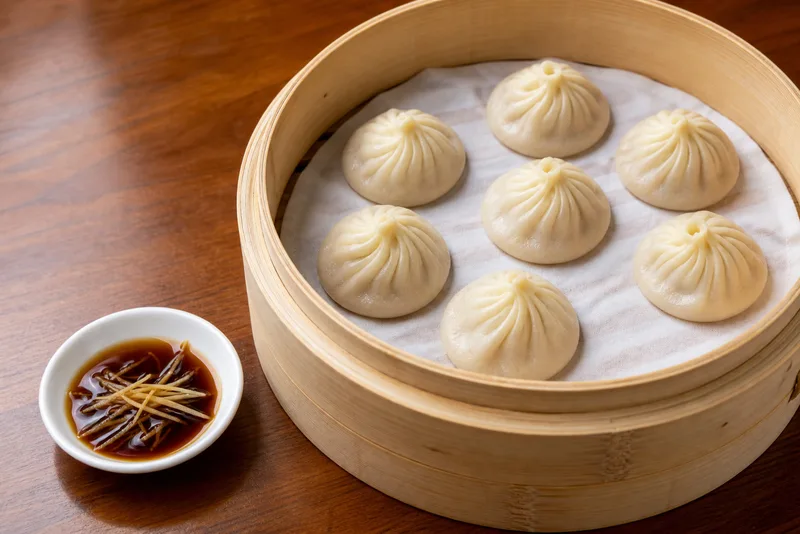
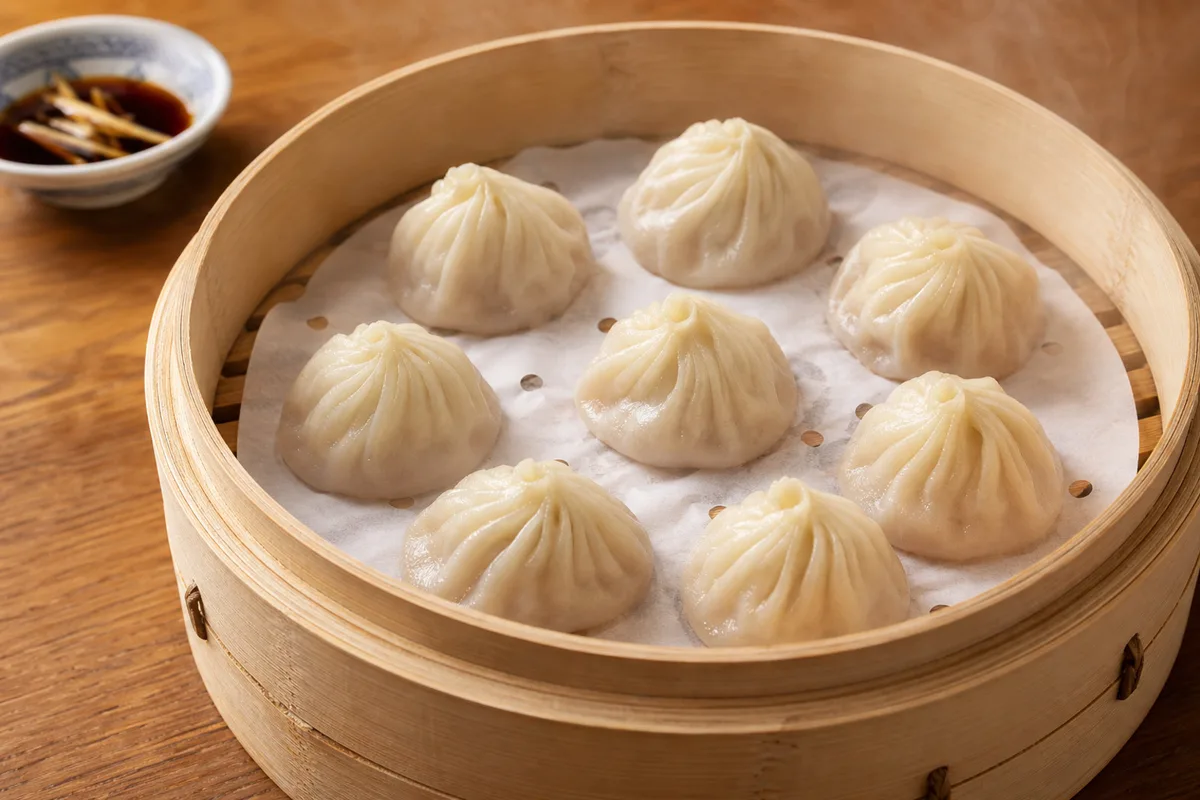
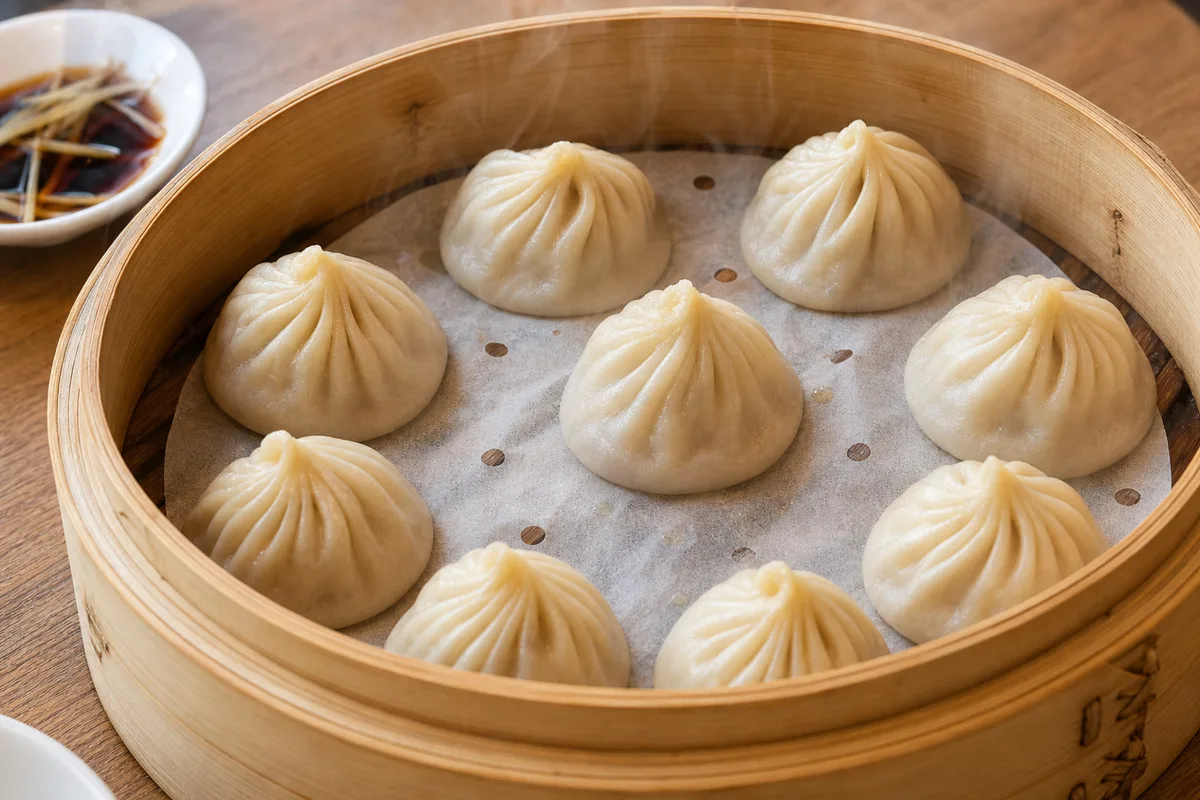
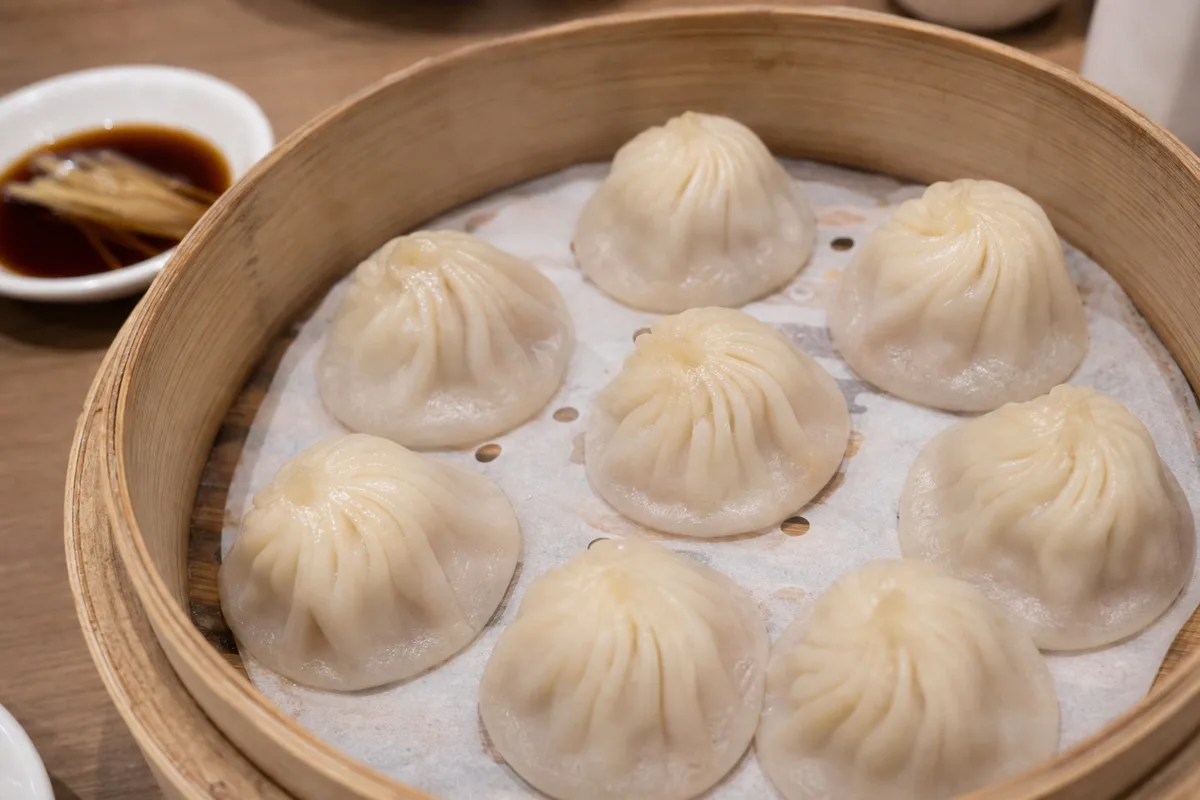
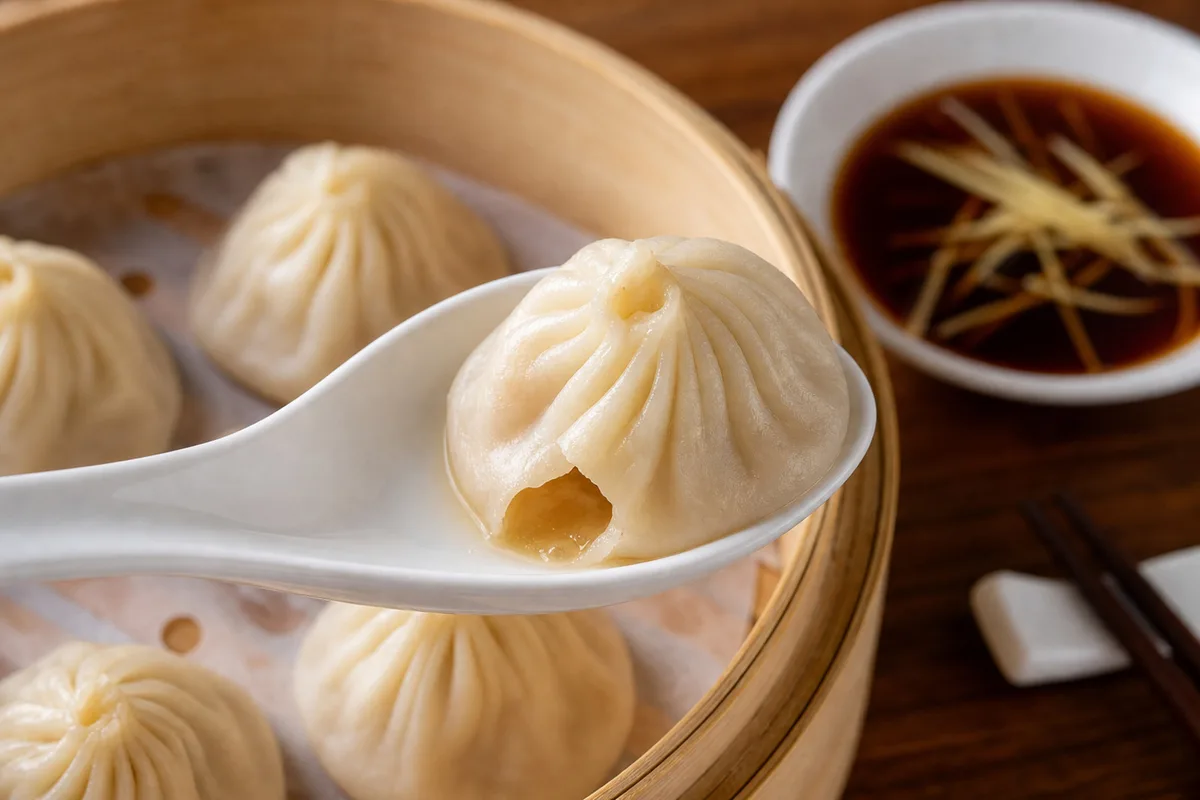
A useful xiaolongbao order should arrive in a bamboo steamer, usually with dumplings sitting on liner paper or leaves. The dumplings should be separate enough that you can lift one without tearing two skins at once. Pleated tops should look tight but not dry, and the wrapper should look thin rather than bready.
If the dumplings are collapsed before you touch them, the broth may already be leaking. If the wrapper looks thick and puffy, the eating experience moves closer to a small steamed bun than a soup dumpling.
Why Vinegar and Ginger Matter
Dark vinegar and thin ginger shreds are not decoration. They cut through the richness of the pork filling and make the hot broth feel cleaner. The best approach is restrained: place a little ginger in the vinegar dish, dip or drizzle lightly, and keep the dumpling's own soup in charge.
Too much vinegar can flatten the broth and make every dumpling taste the same. If the xiaolongbao are well made, you should still taste the pork, the warm soup, and the sweetness of the wrapper after the vinegar sharpness fades.
Use the Spoon First
Move one dumpling to a spoon before biting. The spoon catches the broth and gives you time to release heat. A common method is to nibble a small opening near the top or side, let steam escape, sip some soup, then eat the rest with a little vinegar and ginger.
This is where xiaolongbao differ from shengjian mantou. Shengjian are pan-fried, thicker at the bottom, and built around a crisp crust. Xiaolongbao are steamed, softer, and more fragile, so the spoon is not optional if you want to keep the soup.
What Good Soup Should Taste Like
The broth should be hot, savory, and rounded, not greasy or aggressively salty. It should feel like part of the filling rather than a separate liquid poured into the wrapper. A small dumpling can carry a surprising amount of soup, but the flavor should stay balanced.
If the soup tastes mostly of oil or the wrapper breaks before the dumpling reaches the spoon, the craftsmanship is weaker. Good xiaolongbao are judged by the full sequence: lift, rest on spoon, open, sip, season lightly, and finish.
What to Order With Xiaolongbao
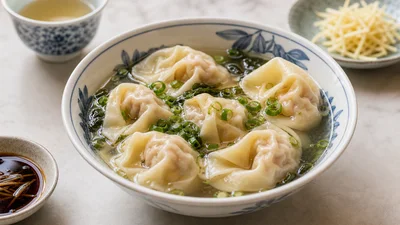
Xiaolongbao can be a focused snack, but they also fit naturally into a Shanghai breakfast or light lunch. If you want more contrast, add a bowl from the Shanghai wontons topic: wontons bring broth and greens without repeating the same wrapper style.
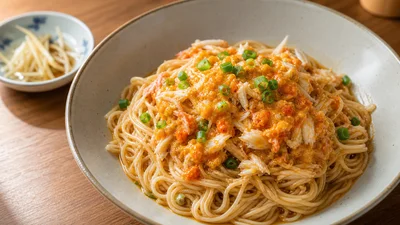
For a richer table, scallion oil noodles add fragrance without fighting the dumplings. If you are comparing dumpling formats, order xiaolongbao before fried shengjian so the delicate steamed wrapper does not feel quiet after a crisp, oily bite.
How Many to Order
For one person, one steamer is usually enough as a snack, especially if you are also trying noodles, wontons, or breakfast foods. For two people, sharing one steamer first is a good way to judge quality before ordering more.
Restaurants that specialize in xiaolongbao may offer different fillings, but first-time visitors should start with the classic pork version. Seasonal crab versions can be excellent, though they belong closer to the flavor world of crab roe noodles and hairy crab than an everyday breakfast order.
Common Ordering Mistakes
- Biting directly into the dumpling before letting the steam escape.
- Pouring too much vinegar over every dumpling before tasting the broth.
- Confusing xiaolongbao with pan-fried shengjian or ordinary crescent dumplings.
- Lifting dumplings too quickly and tearing the wrapper before the spoon is ready.
- Ordering several heavy dishes at the same time and losing the clean soup-dumpling flavor.
Comments (0)