Shanghai Scallion Pancake: Cong You Bing, Flaky Layers, and Breakfast Tips
A detailed English guide to Shanghai scallion pancake, covering crisp layers, scallion aroma, breakfast timing, ordering tips, and what to pair with cong you bing.
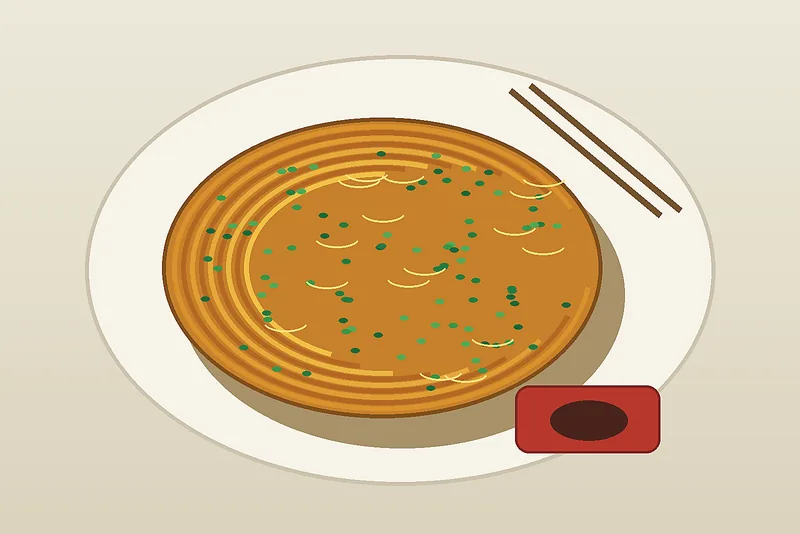
A detailed English guide to Shanghai scallion pancake, explaining cong you bing layers, scallion oil aroma, crisp edges, chewy centers, pork-fat style, and what to order with it.
Shanghai scallion pancake is simple on the menu but easy to misjudge on the plate. A good cong you bing should not be just a flat fried bread. It should show layers, scallion fragrance, browned edges, and a chewy-crisp texture that makes the snack feel substantial without turning greasy.
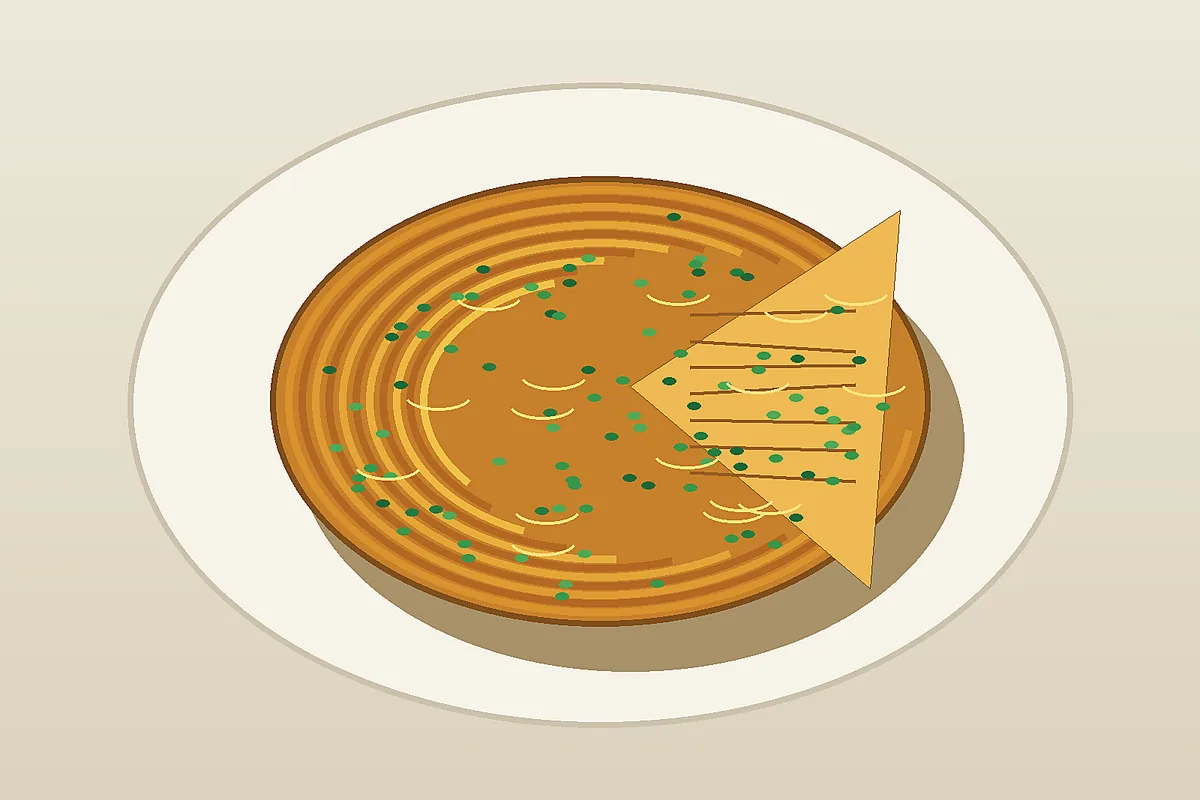
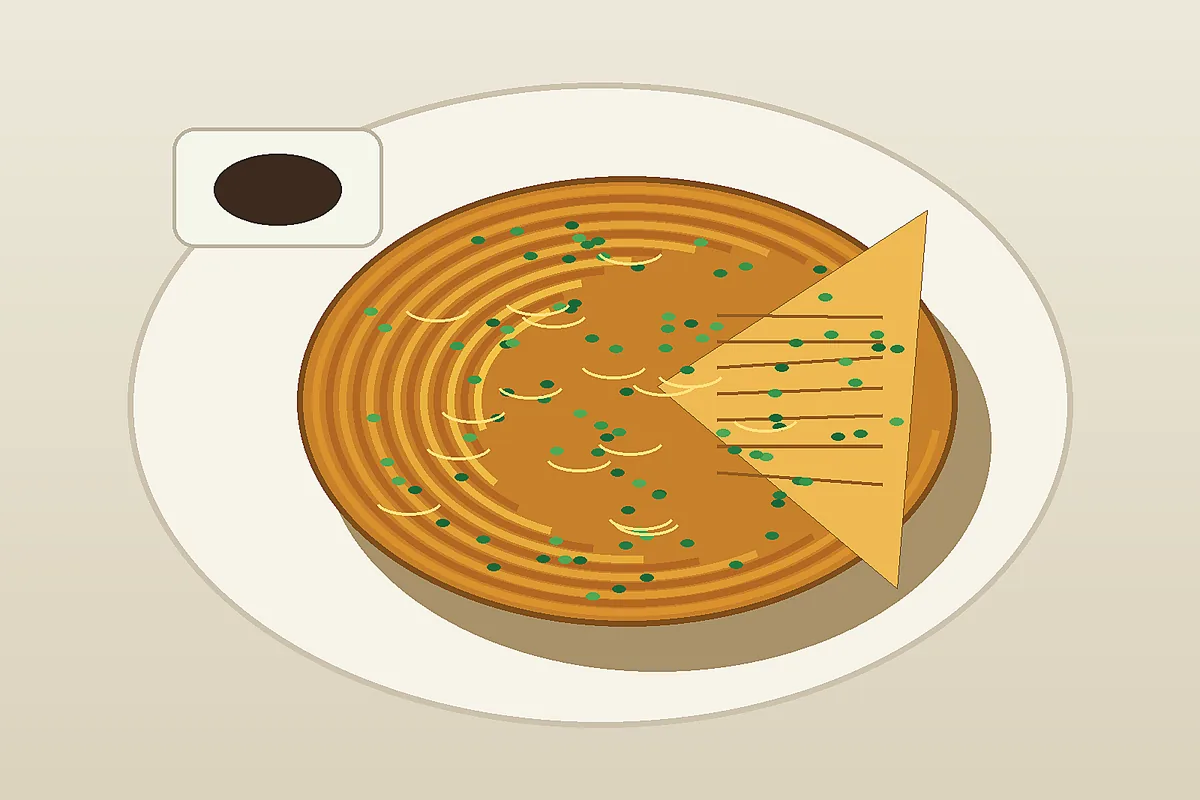
This guide builds on the basic Shanghai scallion pancake introduction. Instead of only explaining what the snack is, it looks at how to judge the pancake when you are standing near a breakfast stall, choosing from a small shop window, or deciding what to order with it.
The most useful visual clue is layering. A Shanghai-style scallion pancake often looks thicker and more folded than a thin northern-style pancake. The surface may be deeply browned, but the inside should still separate into tender layers rather than one dense sheet of dough.
If the pancake snaps like a cracker from edge to center, it may be overfried or too dry. If it bends without any crispness, the pan may not have been hot enough. The best version gives a crisp bite first, then a warmer, softer middle with scallion aroma.
Green flecks alone do not guarantee flavor. The scallions should perfume the pancake, especially when it is cut or torn open. Some versions use scallions mainly inside the layers, so the aroma may be stronger than the visible green color suggests.
This is why cong you bing works so well in a Shanghai breakfast order. It brings fragrance and fat, while soy milk, wonton soup, or a lighter side keeps the meal from feeling too heavy.
Many beloved Shanghai scallion pancakes depend on oil or pork-fat richness for their layered texture. That does not mean the pancake should drip oil. It should feel rich enough to carry the scallions, but the paper bag or plate should not become the main flavor.
When the pancake is made well, the fat helps separate the layers and deepens the toasted aroma. When it is made poorly, the center tastes heavy before the edge has a chance to feel crisp.
Eat scallion pancake while it is still hot or warm. The texture changes quickly as steam softens the crisp surface. If you are sharing, tear it into pieces rather than waiting too long for a neat table setup.
A crisp pancake is a good contrast to Shanghai wontons, because soup softens the meal. It also pairs naturally with soy milk and youtiao when you want a fuller breakfast, though ordering both youtiao and scallion pancake can make the meal oil-heavy.
If this is your first stop of the morning, order scallion pancake with plain or lightly sweet soy milk. If you are building a more food-focused breakfast route, add something softer such as wontons or xiaolongbao after the pancake rather than another fried snack.
For visitors comparing Shanghai snacks, scallion pancake also makes a useful contrast with shengjianbao. Shengjianbao has hot soup inside and a crisp bottom; scallion pancake is flatter, more aromatic, and less about filling than layers.
Shanghai hairy crab season includes autumn mature crabs and early-summer Liuyuehuang young crabs with softer…
Shanghai crab roe noodles are rich seasonal noodles topped with crab roe and crab meat, usually ordered for c…
Shanghai wonton soup with soft wrappers, pork and vegetable filling, clear broth, egg strips, seaweed, scalli…
Comments (0)