Shanghai Smoked Fish (Xun Yu): Sweet-Savory Cold Appetizer
A detailed guide to Shanghai smoked fish, or xun yu, covering sweet-savory sauce, fried texture, cold appetizer service, and restaurant pairings.
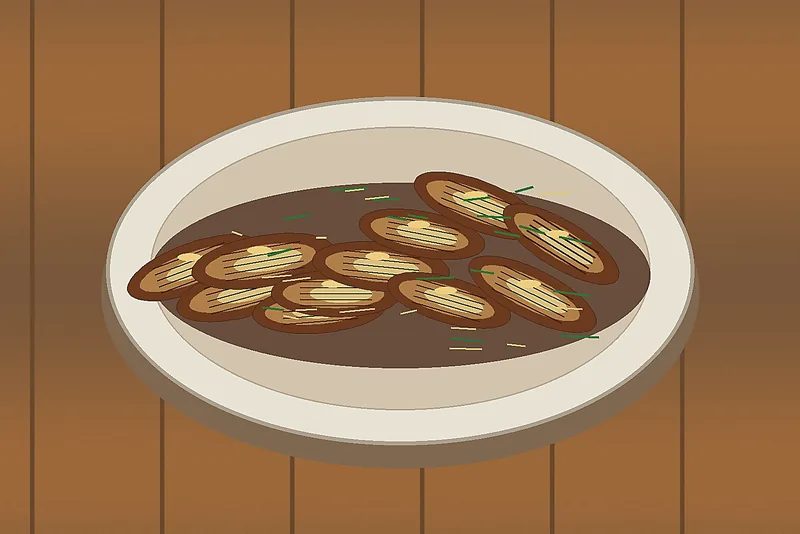
A detailed English guide to Shanghai smoked fish, covering xun yu sauce balance, fried fish texture, cold appetizer service, why the English name is misleading, and what dishes to…
Shanghai smoked fish is best approached as a cold appetizer with a strong sauce profile. The name can make visitors expect barbecue smoke or smoked salmon, but xun yu in many Shanghainese restaurants is fried fish soaked in a dark sweet-savory sauce, then served cool enough to start a shared meal.
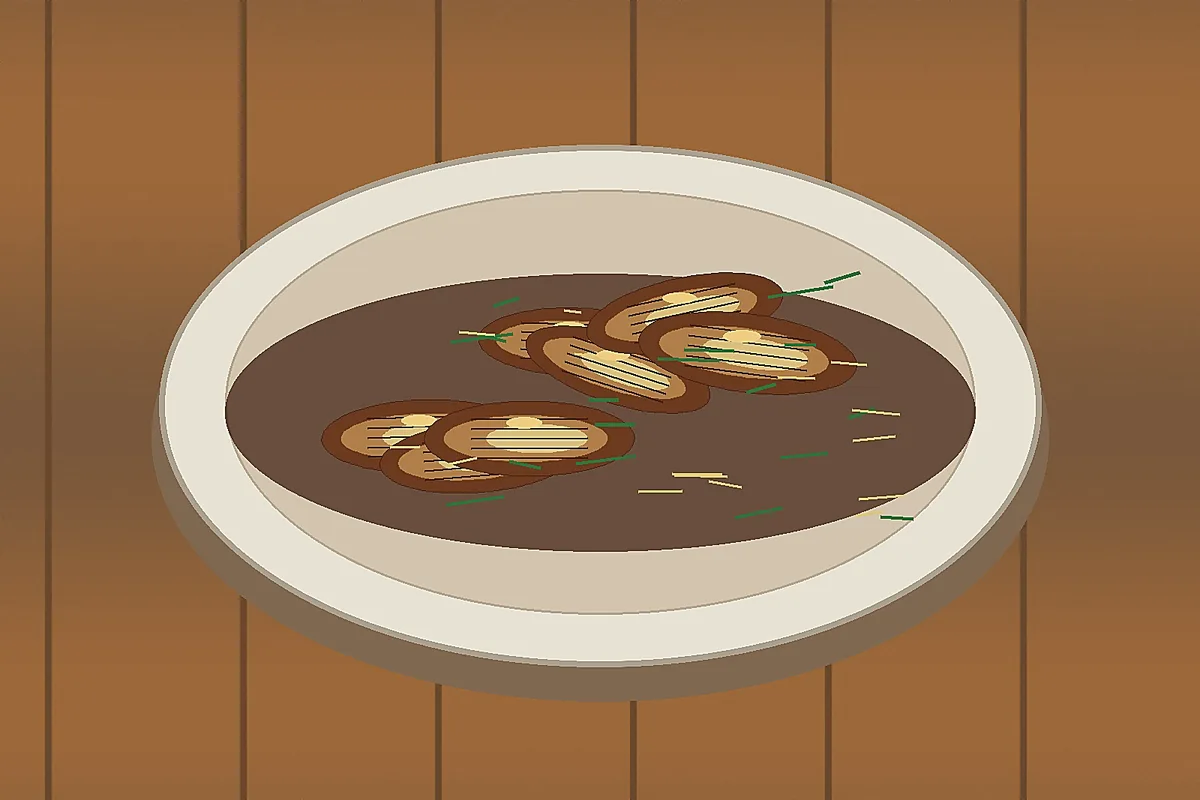
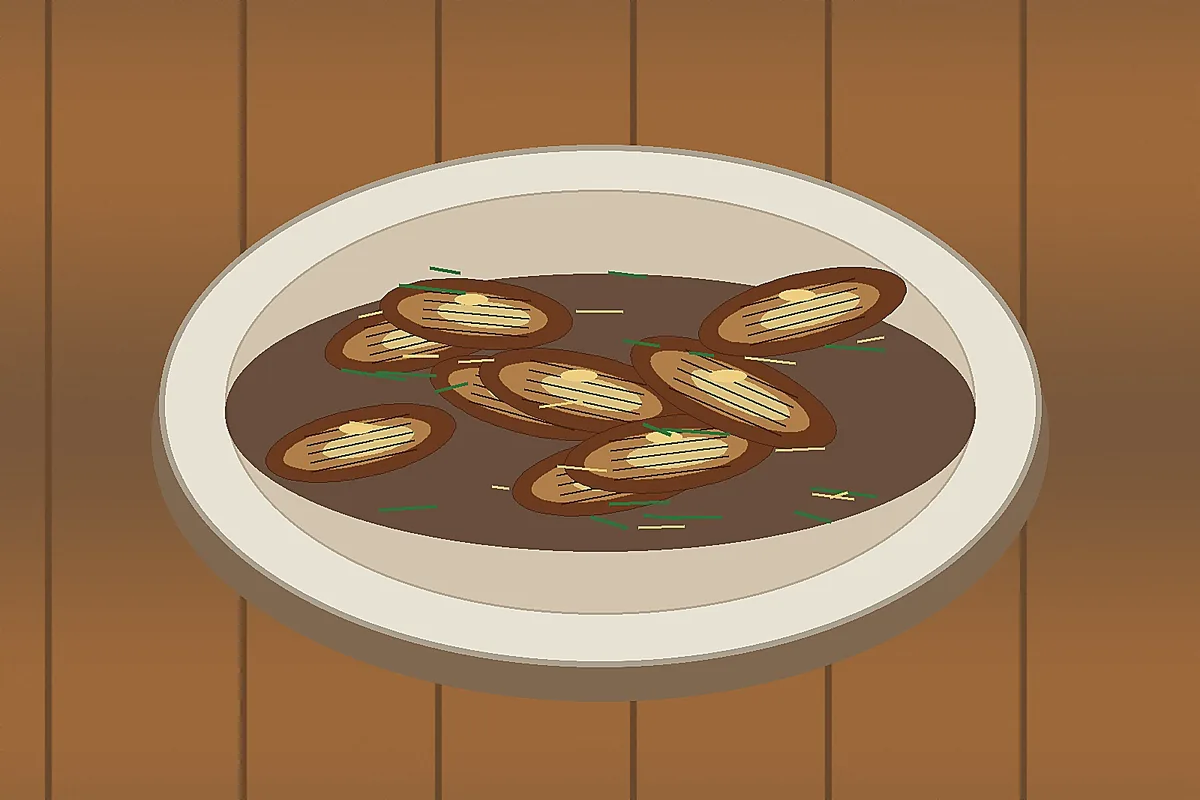
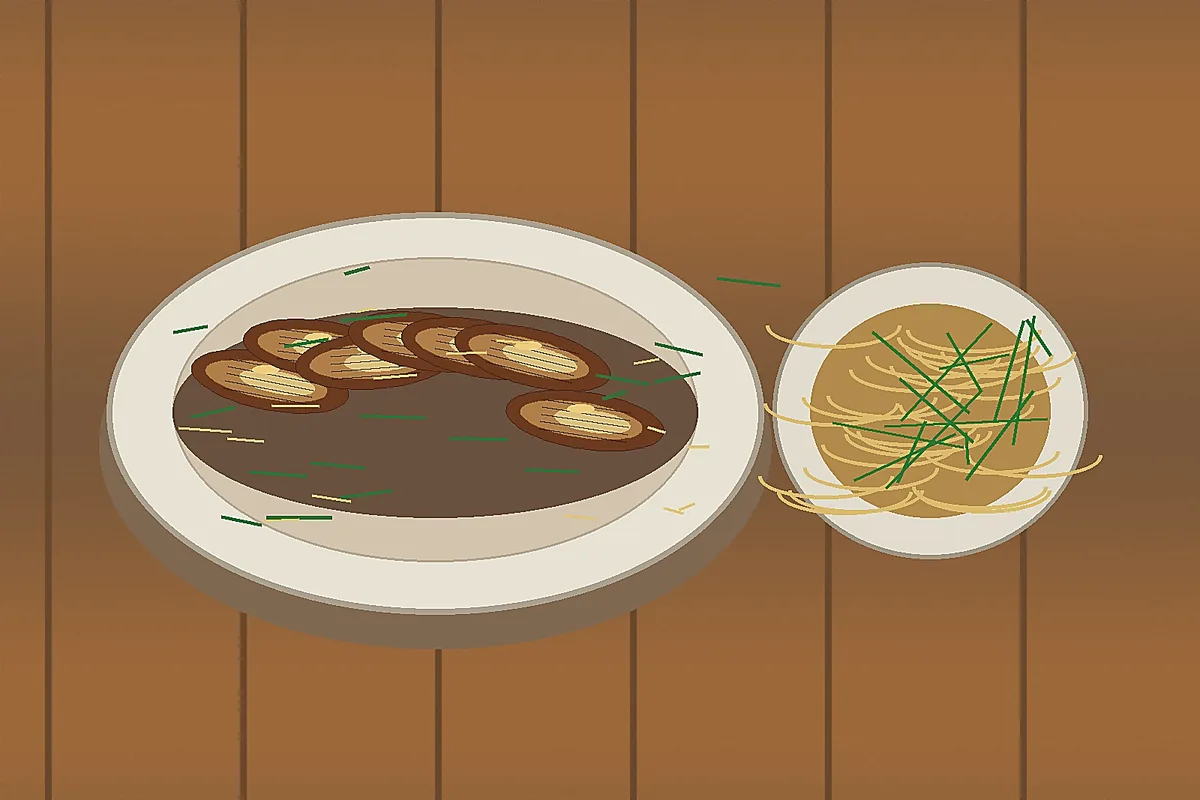
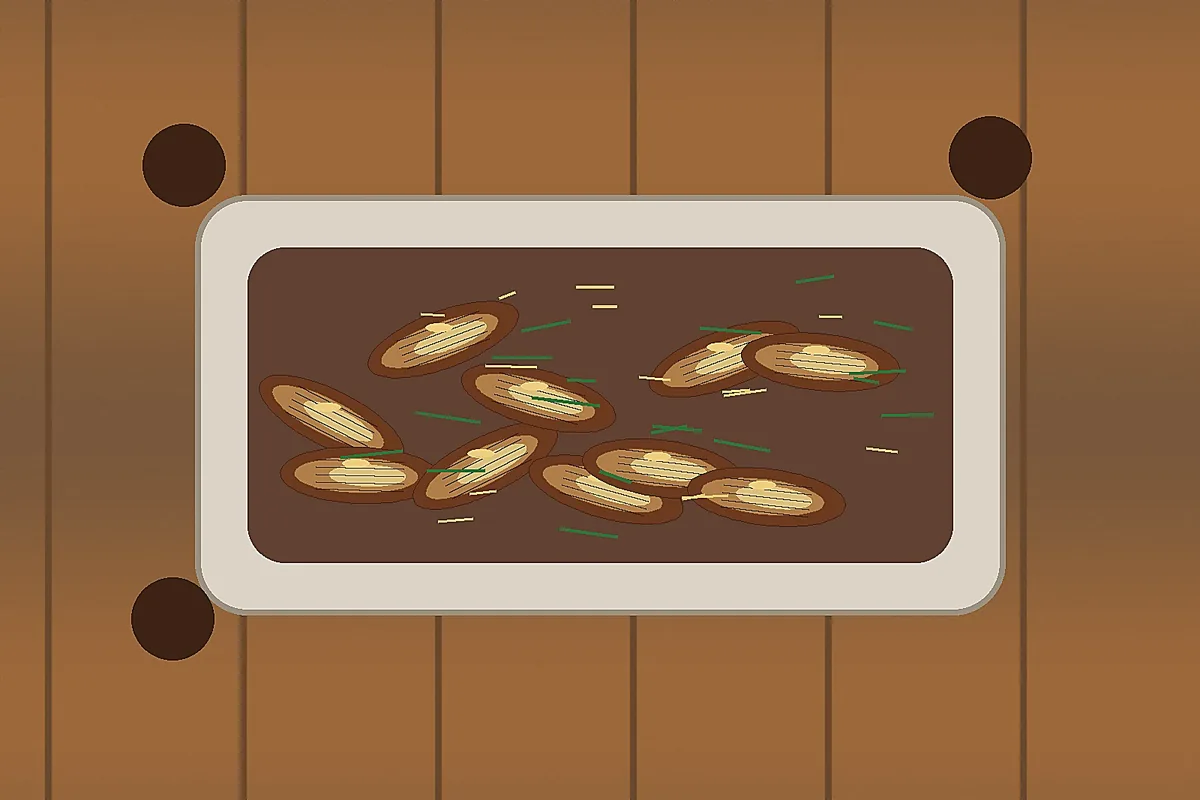
This guide goes deeper than the basic Smoked Fish introduction. It focuses on sauce, texture, cold-dish service, and how to build a table around a small plate of fish without making the whole meal too glossy or sweet.
The word smoked is useful as a menu translation, but it does not always describe the cooking method accurately. Many versions are about frying, soaking, and saucing. The fish should taste concentrated and sweet-savory rather than smoky in the Western barbecue sense.
That is why xun yu can surprise first-time diners. It is not a delicate fresh fish dish. It is a small, assertive cold plate designed to wake up the meal before warmer dishes arrive.
The sauce should be dark, glossy, and balanced between soy, sugar, aromatics, and a little sharpness. It can taste sweet, but it should not taste like syrup. The best versions leave enough savoriness for the fish to remain the main ingredient.
If the sauce is too thin, the fish tastes plain after the first bite. If it is too thick and sugary, the plate becomes tiring. A good sauce clings to the fish slices and gives each bite a clear finish.
Good smoked fish should feel firm, not mushy. The outside may have a fried edge, while the inside should still read as fish rather than paste. Because the dish is served cool, texture becomes even more important: soft or broken pieces feel flat quickly.
Look for slices that hold their shape under sauce. If the fish falls apart before you pick it up, or if the sauce hides every surface, the dish loses its cold-appetizer structure.
Order xun yu as a shared starter. A few pieces are enough because the sauce is concentrated. This is different from ordering a whole fish or a main protein plate; smoked fish works by adding contrast at the beginning of a Shanghainese meal.
That cold-dish role is why it pairs naturally with warmer, softer foods later. A bowl of Shanghai wontons gives soup and gentleness. Scallion oil noodles give aroma without another heavy sauce. Rice cakes add chew if the table needs a shared starch.
If you also order hong shao rou, keep the smoked fish portion small. Both dishes use dark sweet-savory sauce logic, but pork belly is warm, rich, and slow-cooked while smoked fish is cooler, firmer, and sharper.
A practical table might be smoked fish, one light vegetable, one noodle or rice cake dish, and one richer main. If every dish is dark, sweet, and glossy, the meal can feel repetitive even when each dish is well made.
Choose smoked fish when you want a classic Shanghainese cold dish rather than a snack. Order it early in the meal, share it, and taste it before adding any extra vinegar or chili.
If you are unsure whether you will like the sweetness, order a small portion or share with the table. The dish is memorable because it is concentrated; it does not need to be large.
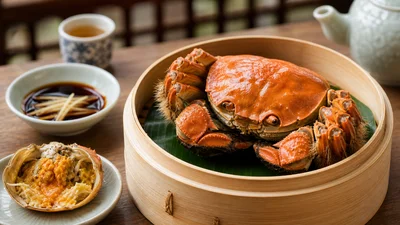
Shanghai hairy crab season includes autumn mature crabs and early-summer Liuyuehuang young crabs with softer…
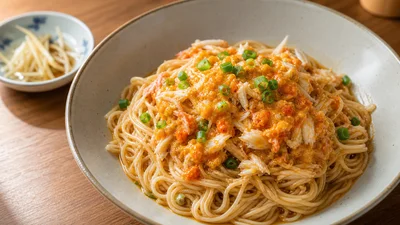
Shanghai crab roe noodles are rich seasonal noodles topped with crab roe and crab meat, usually ordered for c…
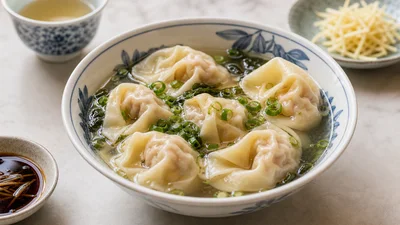
Shanghai wonton soup with soft wrappers, pork and vegetable filling, clear broth, egg strips, seaweed, scalli…
Comments (0)