What Is Xiaolongbao? Shanghai Soup Dumplings, Broth, and Eating Tips
A detailed English guide to Shanghai xiaolongbao, covering wrappers, hot broth, fillings, ginger vinegar, ordering tips, and related local dishes.
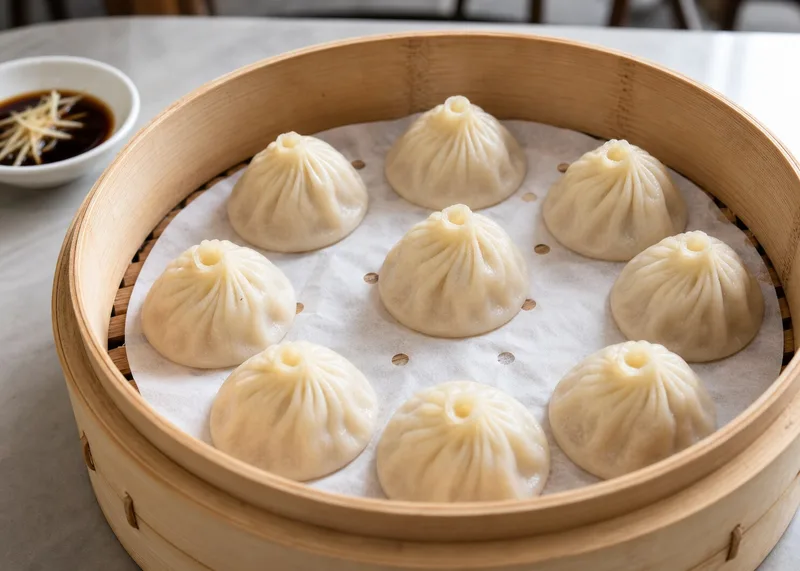
A practical English guide to Nanxiang-style xiaolongbao in Shanghai, covering thin wrappers, pleated tops, hot broth, vinegar, ginger, eating order, and how to judge a steamer.
Nanxiang xiaolongbao are the version many visitors have in mind when they search for Shanghai soup dumplings: small steamed dumplings in a bamboo basket, thin wrappers, tight pleated tops, pork filling, and hot broth inside. The dish is famous, but the useful details are practical. A good steamer should help you see the folds, smell the pork and ginger, and taste the soup without the wrapper tearing before the first bite.
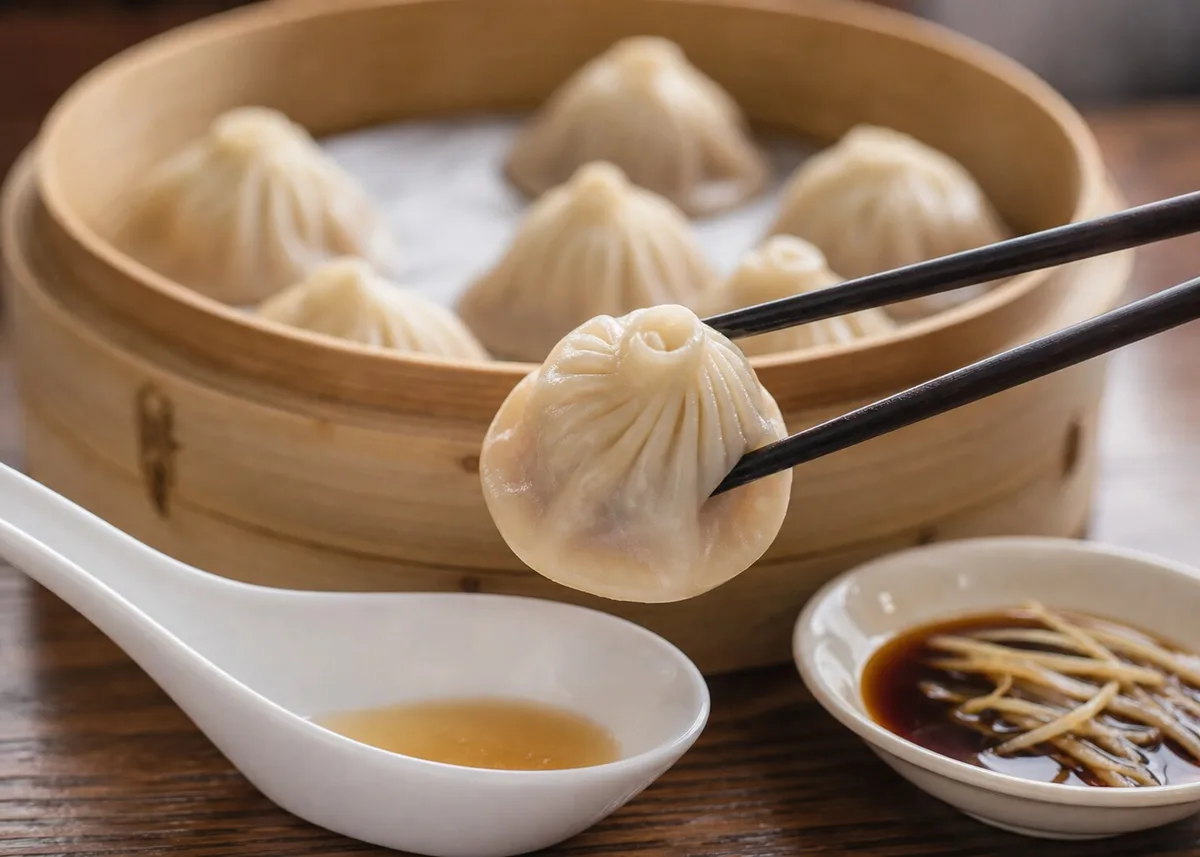
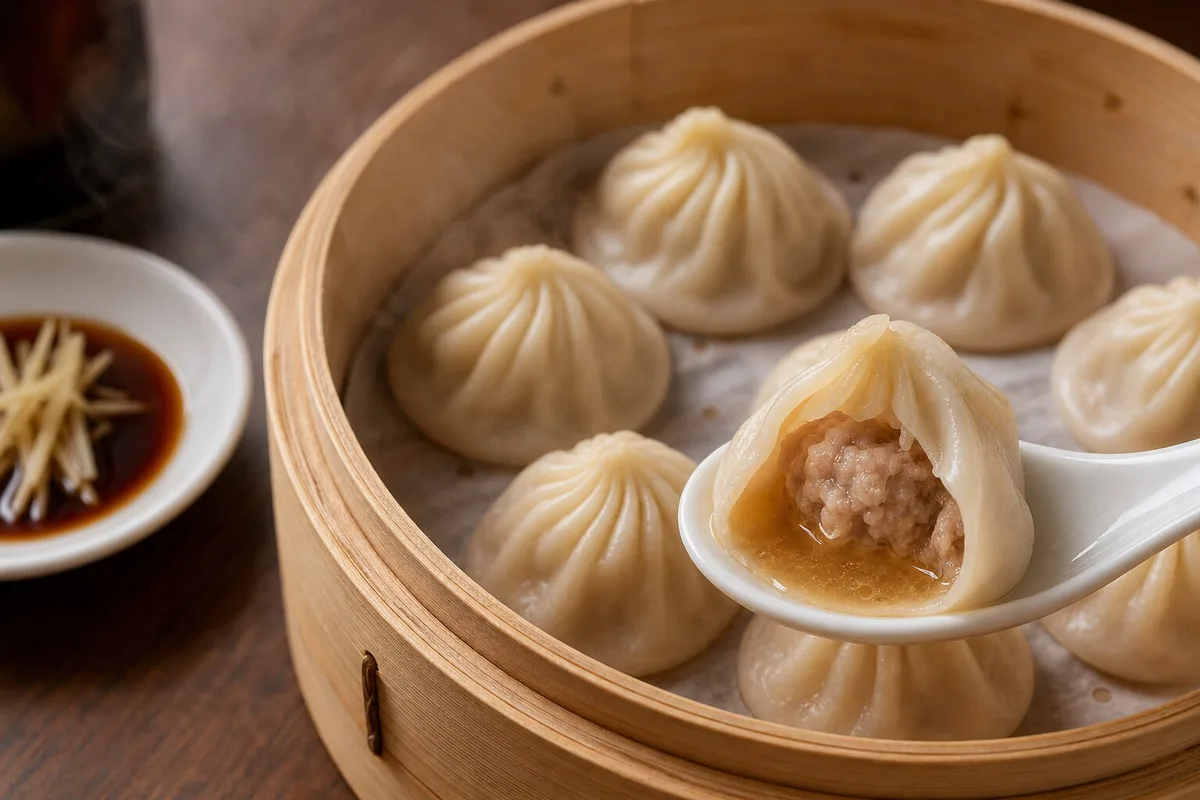
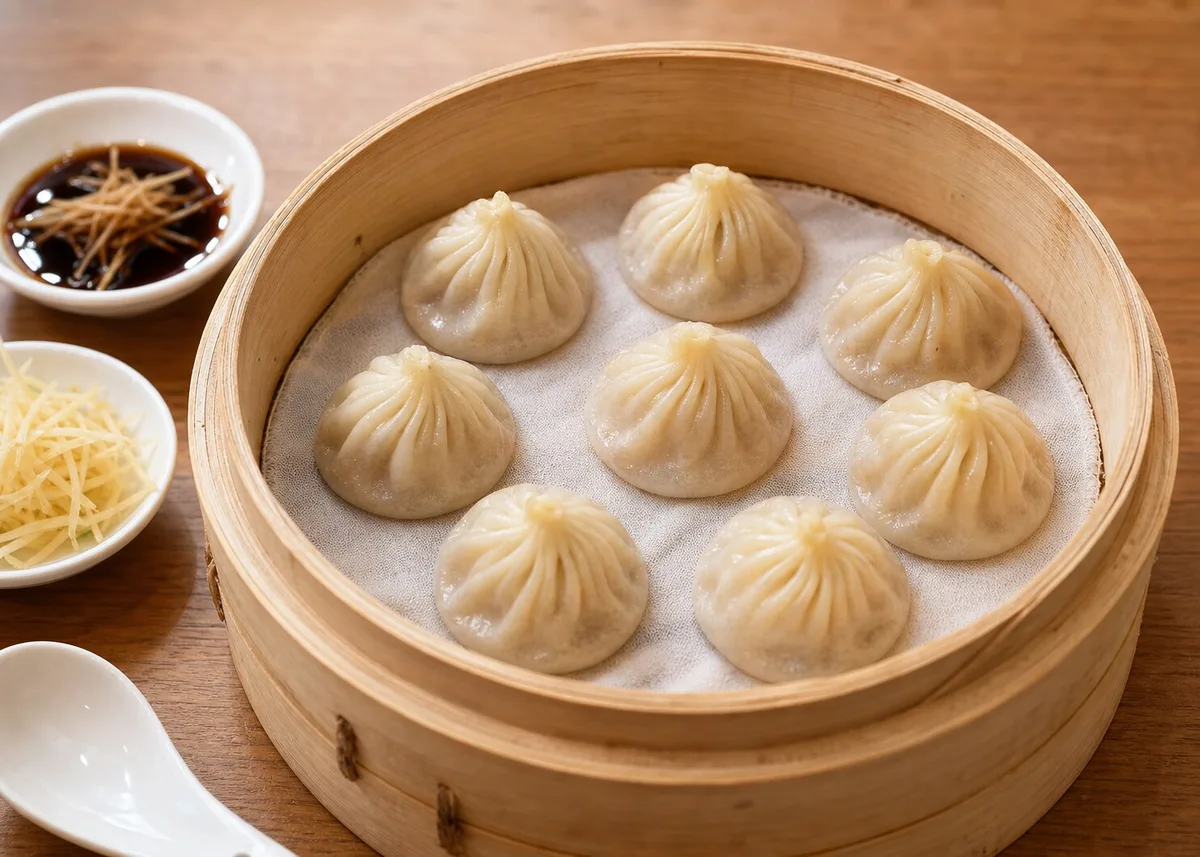
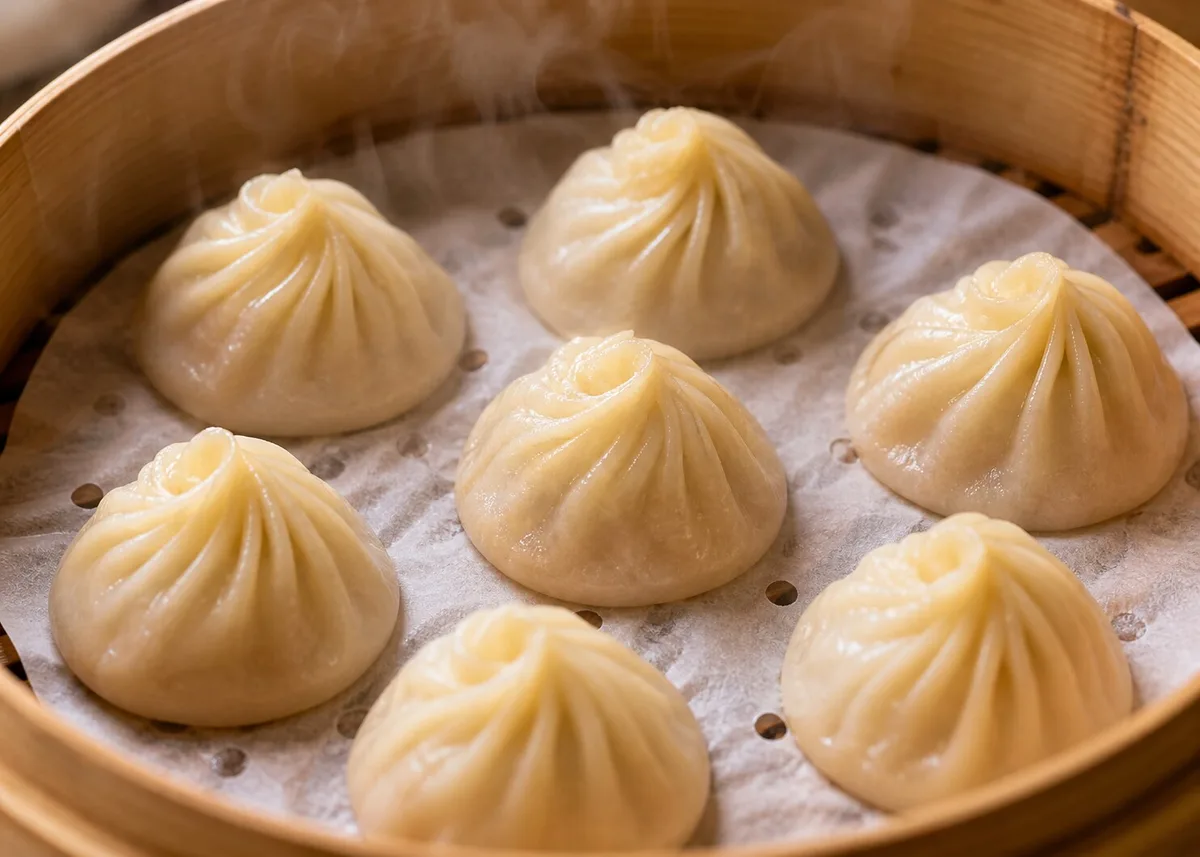
This guide goes deeper than the basic xiaolongbao introduction. It focuses on how to judge a basket, how to eat safely, and how to compare xiaolongbao with other Shanghai foods without turning every dumpling into the same thing.
Nanxiang is strongly tied to the Shanghai xiaolongbao story, so the name often appears in English searches. For a visitor, the point is not to memorize a single origin claim before eating. It is to understand the style people expect when they say Shanghai soup dumplings: compact size, delicate wrapper, visible pleats, and a broth-filled center that needs a careful first move.
Compared with heavier stuffed buns, Nanxiang-style xiaolongbao should feel precise. The basket should not look messy or collapsed, and the dumplings should sit apart from one another rather than sticking into one torn sheet of dough.
The wrapper should be thin enough to show delicacy, but not so fragile that the dumpling breaks when lifted. Pleats matter because they show handling and structure. They do not need to be identical like machine parts, but the top should look clean, gathered, and sealed.
If the pleated tops look dry or cracked, the dumplings may have waited too long. If the base has already torn, the broth may be gone before you start. The best visual sign is simple: each dumpling keeps its round shape, the folds remain clear, and the skin looks moist from steam.
The broth is the reason xiaolongbao need their own eating method. Lift one dumpling carefully into a porcelain spoon, open a small hole near the top or side, and let some steam escape. Then taste the soup before eating the pork filling and wrapper together.
Do not chase the biggest burst of soup. A dumpling that explodes immediately is often less useful than one that holds together long enough for you to control the bite. Good xiaolongbao should feel juicy, balanced, and savory, not just dangerous.
Dark vinegar and shredded ginger are not decoration. They brighten the pork and cut through the richness of the broth. The easiest method is to taste one dumpling almost plain, then add a small amount of vinegar and ginger to the next spoonful.
Too much vinegar can flatten the soup. Use it as a lift rather than a sauce bath. If the dumpling is well made, the pork aroma, wrapper, and broth should still be easy to notice after dipping.
The most common comparison is shengjianbao. Both can contain hot juice, but shengjianbao are pan-fried, thicker, and built around a crisp bottom. Xiaolongbao are steamed and more delicate, so the wrapper and lifting technique matter more.
Compared with Shanghai wontons, xiaolongbao are richer and more compact. Wontons sit in soup; xiaolongbao carry soup inside. If you are building a morning food route, xiaolongbao also pair naturally with lighter items from Shanghai breakfast rather than another heavy dish.
Start with one basket of pork xiaolongbao before ordering flavored or luxury versions. Plain pork shows the wrapper, broth, and seasoning most clearly. If the first basket is good, then a second basket makes sense. If it is only average, move on and save room for noodles or wontons.
For a broader Shanghai meal, xiaolongbao work well before scallion oil noodles because the noodles are aromatic but not soupy in the same way. If you want a more casual fried contrast on another day, choose shengjianbao rather than mixing both in the same order.
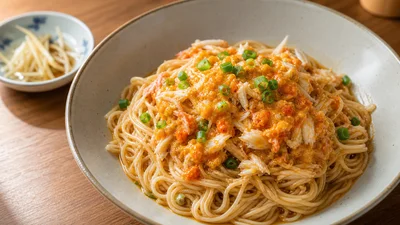
Shanghai crab roe noodles are rich seasonal noodles topped with crab roe and crab meat, usually ordered for c…
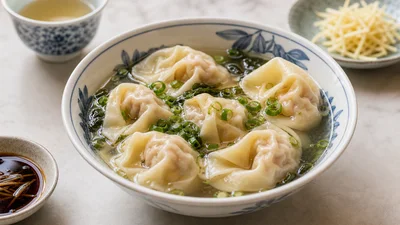
Shanghai wonton soup with soft wrappers, pork and vegetable filling, clear broth, egg strips, seaweed, scalli…
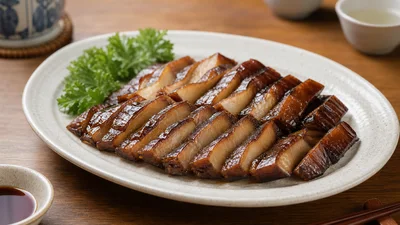
Shanghai smoked fish, or xun yu, is usually fried fish slices soaked in a dark sweet-savory sauce and served…
Comments (0)