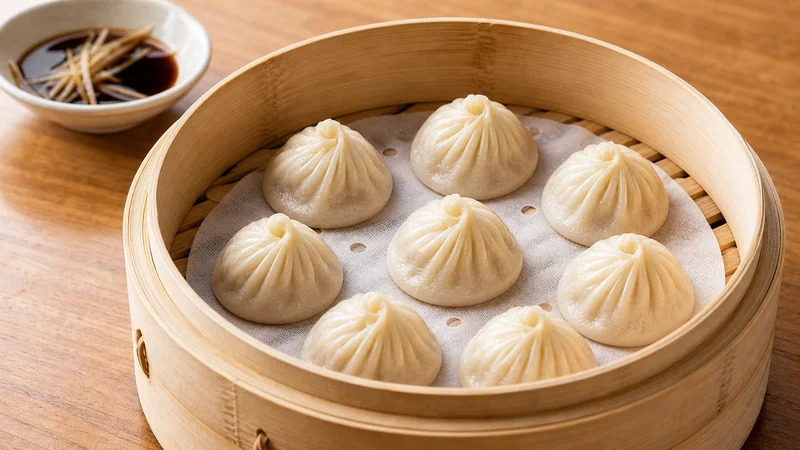
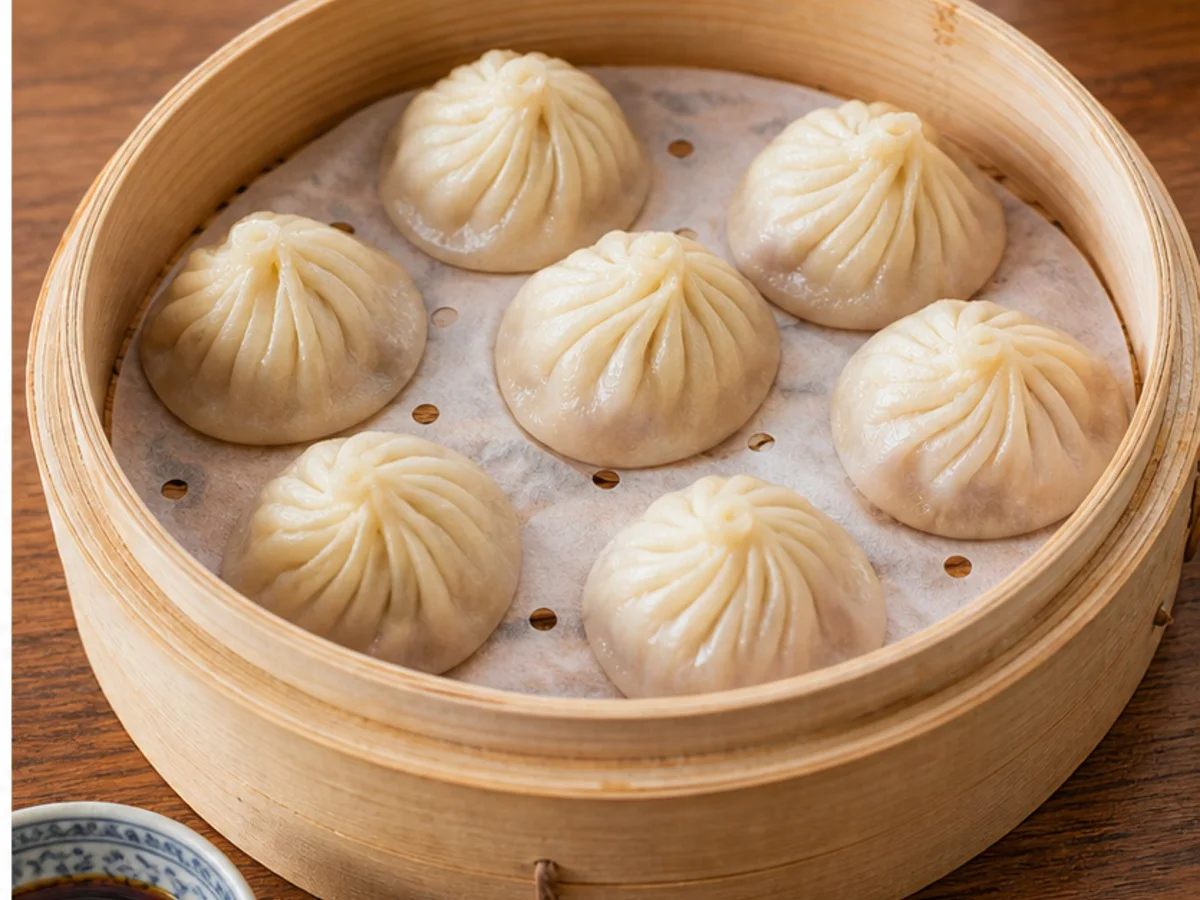
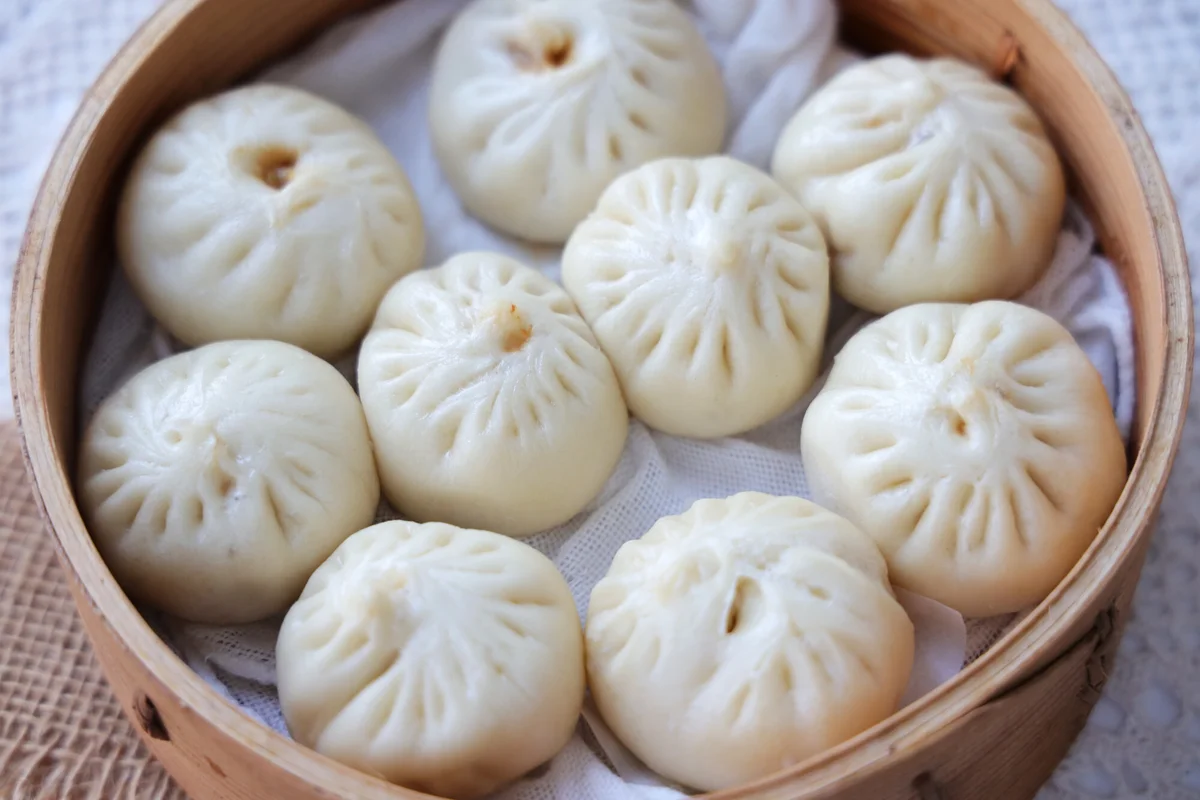
Xiaolongbao are the Shanghai dish most visitors can name before they arrive, but the name is only a starting point. A good steamer should tell you several things at once: the wrappers are thin, the pleats are careful, the dumplings sit apart from one another, and nothing has leaked into the paper below. That quiet precision is what separates Shanghai soup dumplings from an ordinary dumpling order.
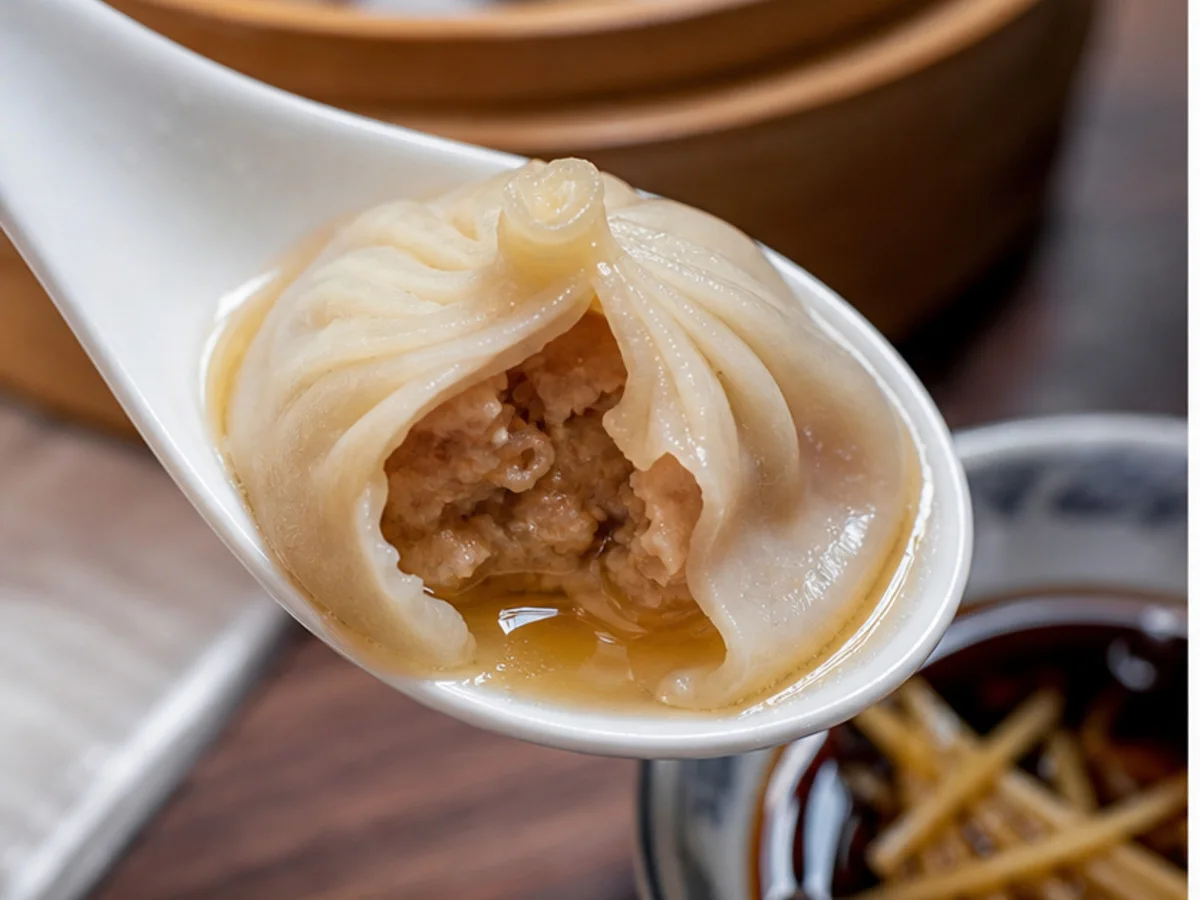
The first useful habit is to slow down. Xiaolongbao are not designed for a big bite straight from the basket. They are small, hot, and fragile, and the broth inside is part of the dish. If you rush, you usually lose either the soup or the texture.
How to Read a Steamer Before You Taste It
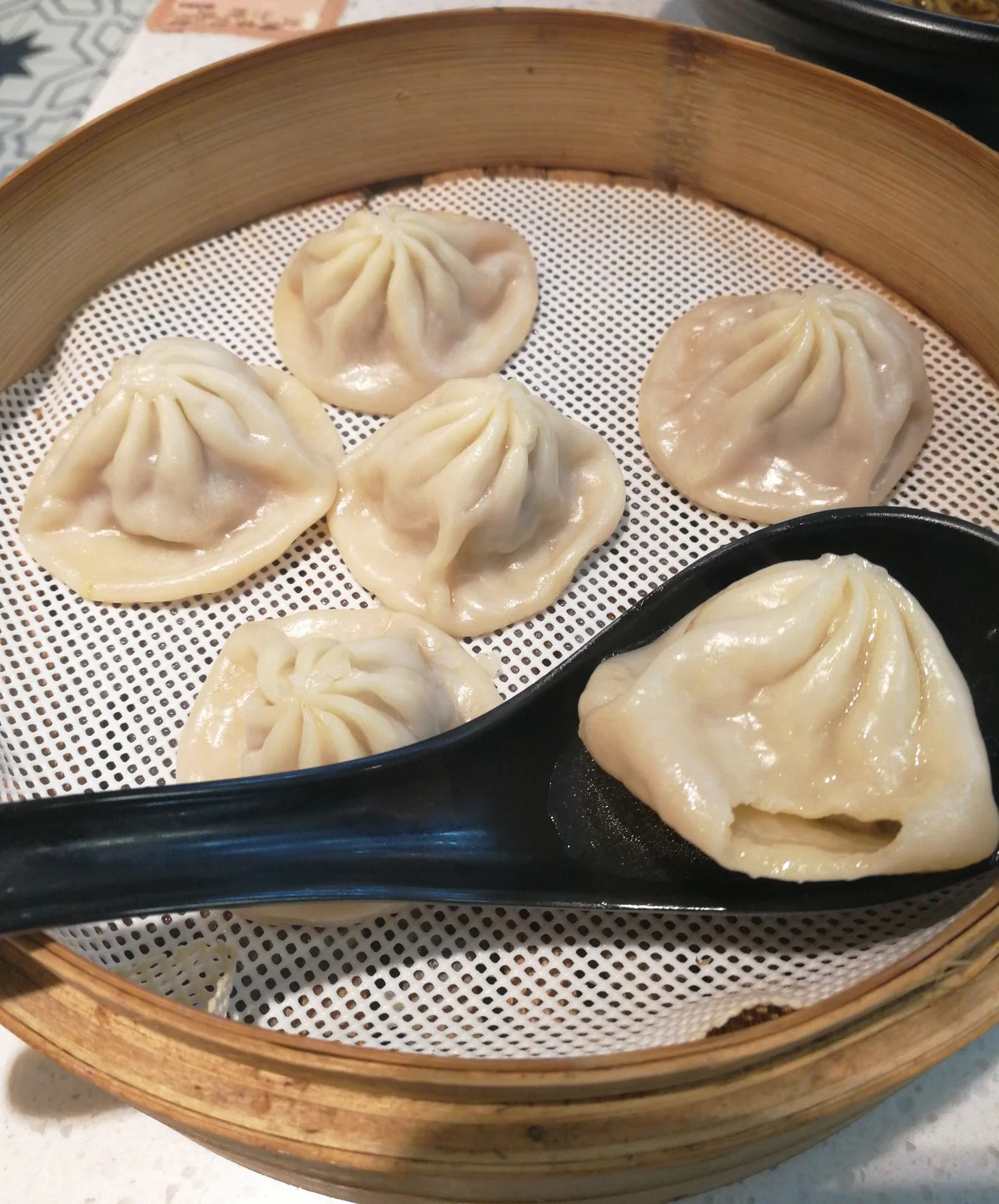
Look for dumplings that still stand upright. The tops should look pleated rather than torn, and the skin should be translucent enough to suggest thinness without collapsing. If several dumplings have split before anyone touches them, the steamer may still taste fine, but the best part of the experience has already escaped.
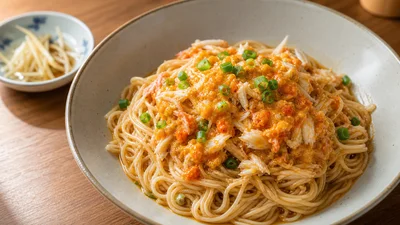
The classic filling is pork, with a clean savory taste and a little sweetness. Crab roe xiaolongbao can be excellent, but they make more sense after you know the pork version. If crab is the flavor you are chasing, compare the dumplings later with crab roe noodles or the seasonal hairy crab guide so you can see how Shanghai uses crab richness in different forms.
The Spoon, the Steam, and the Vinegar
Move one dumpling onto a spoon, open a small hole, and let steam escape. Some diners sip the broth first; others add a little ginger vinegar and eat the dumpling in two bites. Both approaches work. What matters is keeping the broth under control and giving the wrapper a chance to stay intact.
Ginger vinegar should brighten the dumpling, not drown it. The vinegar cuts pork richness and the ginger adds lift. If every bite tastes sour, you used too much; if the dumpling tastes heavy after two or three pieces, you probably used too little.
What to Try Before or After
Xiaolongbao are a natural first stop, but they should not be the whole Shanghai meal. For a direct texture comparison, order shengjianbao on another morning or at a bun shop: it also carries hot juice, but the dough is thicker and the bottom is pan-fried. For something quieter after dumplings, scallion oil noodles make a useful contrast because the flavor comes from aroma and soy rather than broth.
Common First-Time Mistakes
- Picking up the dumpling from the top and tearing the pleats.
- Biting straight through the wrapper while the broth is still boiling hot.
- Judging only by size. Large dumplings are not automatically better.
- Ordering only crab roe versions and missing the cleaner pork baseline.
- Letting the basket sit too long; the wrappers tighten as they cool.
Comments (0)