Cifan Tuan in Shanghai: Sticky Rice Breakfast Roll Guide
A detailed guide to cifan tuan, the Shanghai sticky rice breakfast roll with youtiao, pickles, pork floss, sweet fillings, and soy milk pairings.
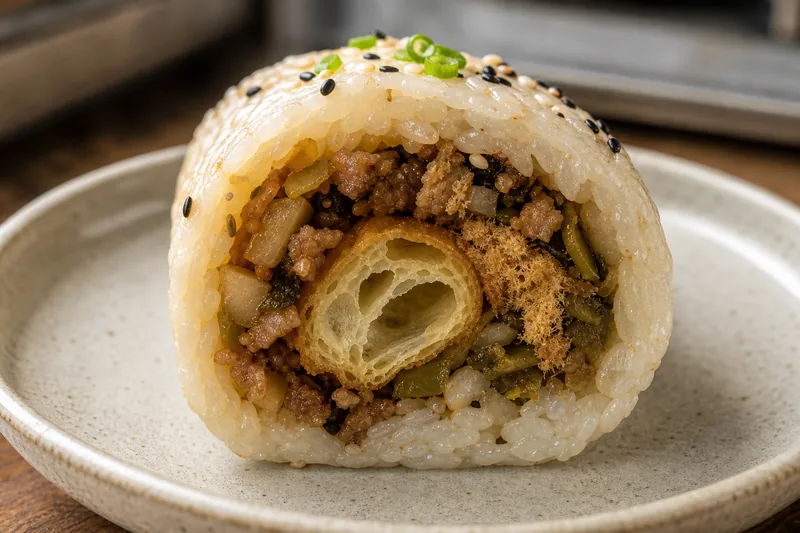
A detailed English guide to Shanghai cifan tuan fillings and texture, covering savory sticky rice rolls, youtiao, pork floss, pickled vegetables, sweet black sesame, purple rice v…
Cifan tuan looks like an easy breakfast roll, but the best versions are built on contrast. The outside should be warm sticky rice. The center should give the roll a clear reason to exist: crisp youtiao, salty pickles, fluffy pork floss, sweet black sesame, or a purple rice variation with a deeper grain flavor.
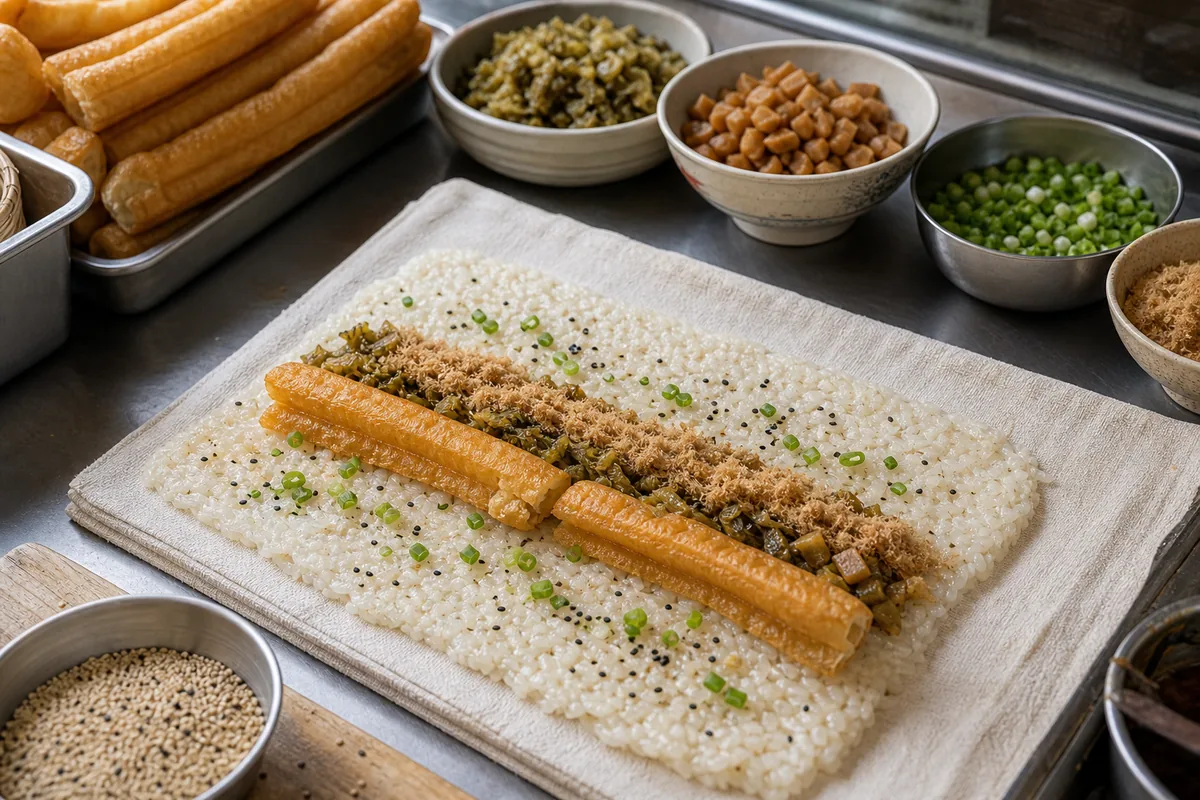
This guide goes deeper than the basic Cifan Tuan introduction. It focuses on fillings, texture, and how to order a roll that feels lively instead of heavy. That matters because a poorly made cifan tuan can turn into a dense block of rice very quickly.
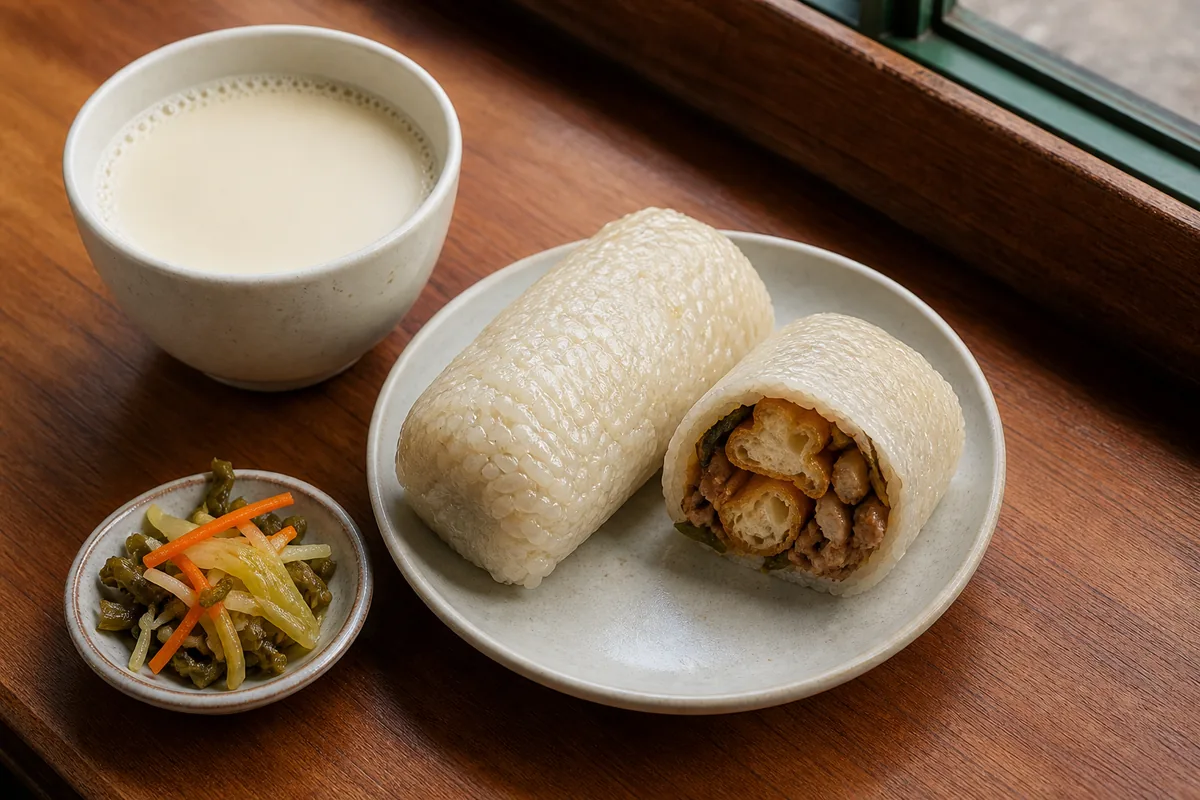
The most useful first order is a savory roll. It usually combines sticky rice with youtiao, pickled vegetables, pork floss, sesame, and sometimes egg or other additions. The rice gives body, the youtiao gives crunch, the pickles add sharpness, and the pork floss adds a soft salty-sweet texture.
When the balance is right, every bite changes slightly. You should notice rice first, then the fried dough, then the savory filling. If all you taste is plain rice, the roll is underfilled. If the filling is too salty, the rice becomes a wrapper instead of part of the dish.
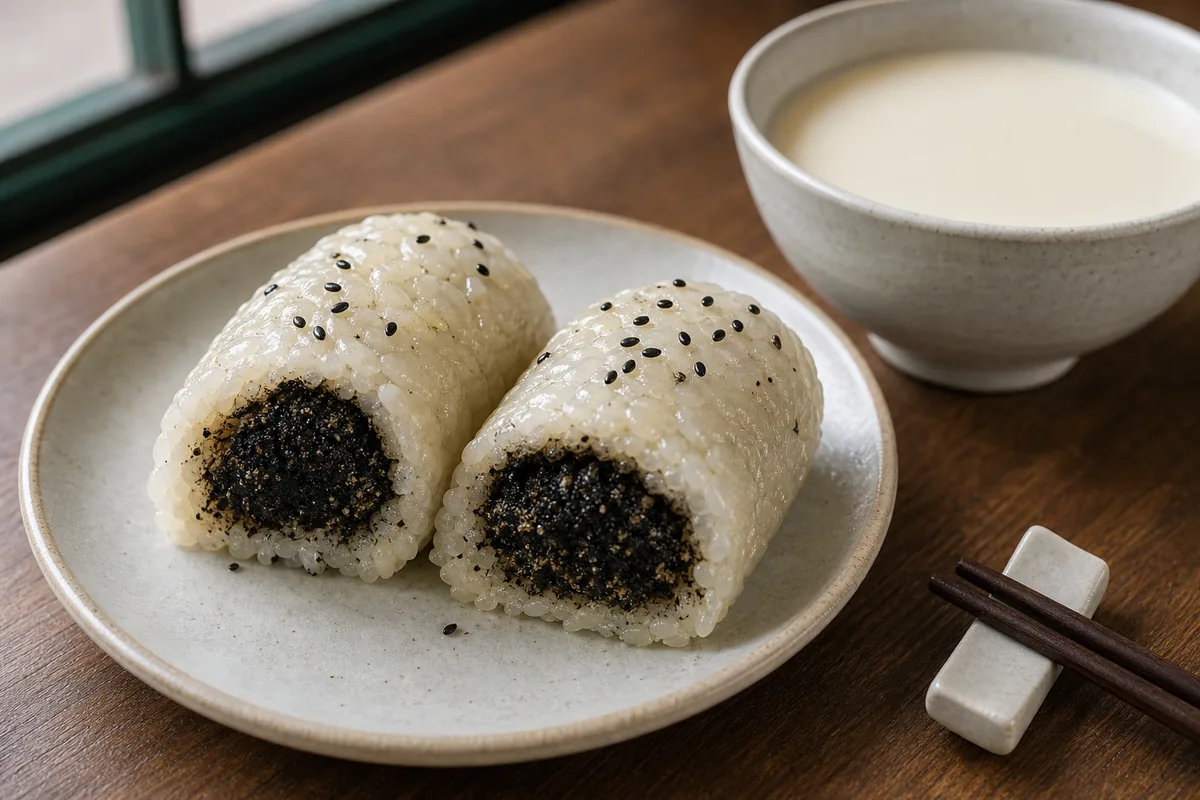
Sweet versions are quieter. Black sesame, sugar, or sweet paste turns cifan tuan toward dessert, but the rice still keeps it in breakfast territory. A good sweet roll should taste nutty and gently sweet, not like candy.
Sweet cifan tuan is useful if you already tried a savory roll and want to understand the other side of the format. It pairs well with plain soy milk because the drink softens the sweetness without adding another strong flavor.
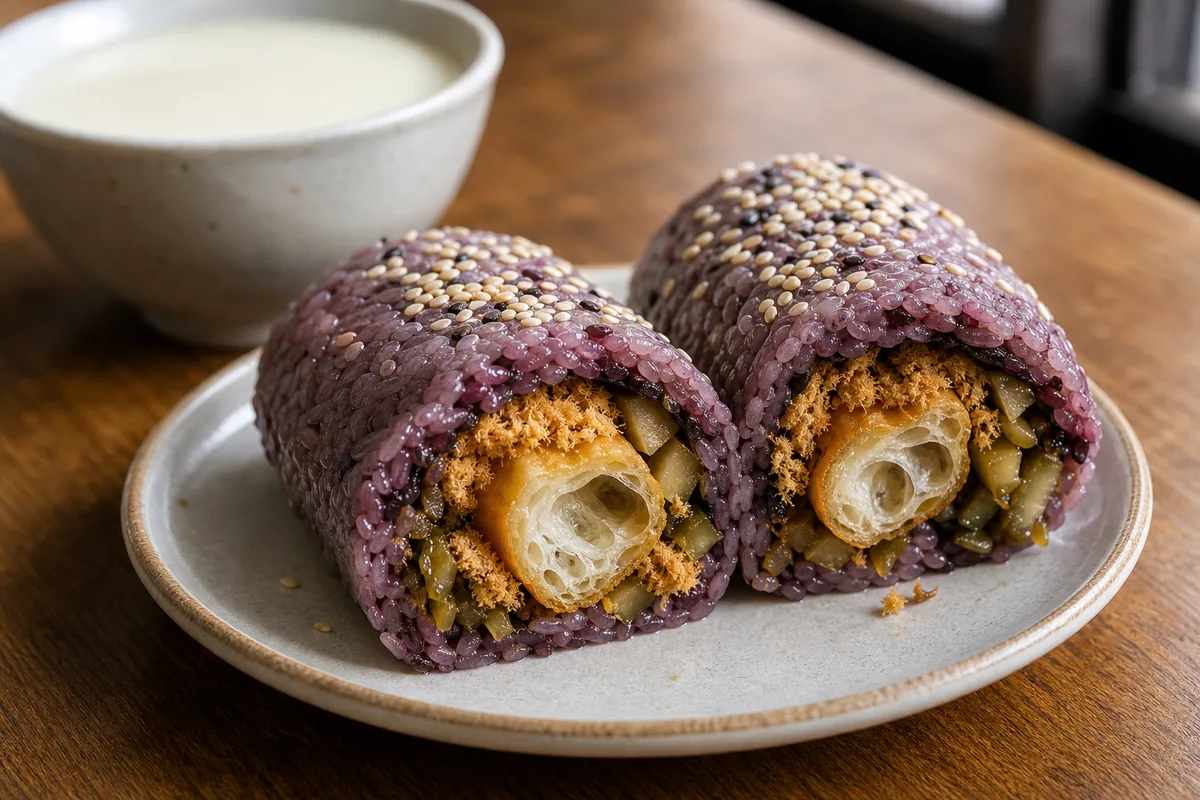
Purple rice versions are now common enough that visitors may see them beside the classic white rice roll. Purple rice gives a nuttier, slightly chewier base. It can work well with savory fillings because the grain has more character, but it can also make the roll feel heavier.
Use the same test: the filling should still be visible and distinct. If the purple rice is the only thing you notice, the roll is more about appearance than balance.
Cifan tuan should be compact, but not hard. The rice needs enough stickiness to hold the roll together without becoming a solid lump. The youtiao should keep at least a little crispness or chew. If the roll has been sitting too long, the fried dough softens and the center loses contrast.
This is why timing matters more than decoration. A plain-looking roll assembled fresh can be better than a prettier one that has waited under a heat lamp. If possible, choose a counter where rolls are made to order or turned over quickly.
The simplest partner is soy milk. Plain warm doujiang softens the rice and makes the meal feel complete. If your roll is savory and salty, soy milk keeps the breakfast from feeling too dry.
For a broader Shanghai breakfast route, do not add every heavy item in the same morning. Try cifan tuan on a portable day, shengjianbao on a hot-and-crisp day, and wontons when you want a lighter bowl. If you want another flour-based texture, save scallion pancake for another stop.
Ask for savory if you want the classic breakfast profile. Ask for sweet if you want black sesame or sugar. If the shop offers purple rice, treat it as a variation rather than a separate dish. One roll is usually enough for one person if you are also drinking soy milk.
If you are sharing, cut or tear the roll soon after buying it. Waiting too long makes the center soften and the rice tighten. Cifan tuan is portable, but it is still best within the first part of the morning.
Shanghai hairy crab season includes autumn mature crabs and early-summer Liuyuehuang young crabs with softer…
Shanghai crab roe noodles are rich seasonal noodles topped with crab roe and crab meat, usually ordered for c…
Shanghai wonton soup with soft wrappers, pork and vegetable filling, clear broth, egg strips, seaweed, scalli…
Comments (0)