Shanghai Scallion Oil Noodles: Cong You Ban Mian Guide
A detailed English guide to Shanghai scallion oil noodles, covering sauce, scallion aroma, noodle texture, toppings, and ordering context.
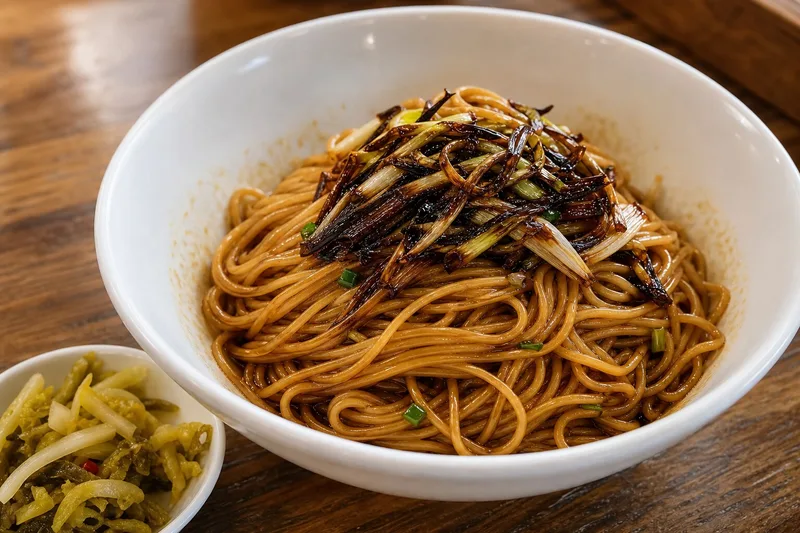
A detailed English guide to Shanghai scallion oil noodles, covering fried scallion aroma, soy sauce balance, noodle texture, mixing technique, toppings, and what to pair with cong…
Shanghai scallion oil noodles look almost too simple: a bowl of noodles, dark soy sauce, scallion oil, and a tangle of fried scallions on top. The reason the dish stays memorable is aroma. When the scallions are fried slowly and mixed with the right sauce, the bowl becomes glossy, savory, and quietly sweet without needing soup or a heavy topping.
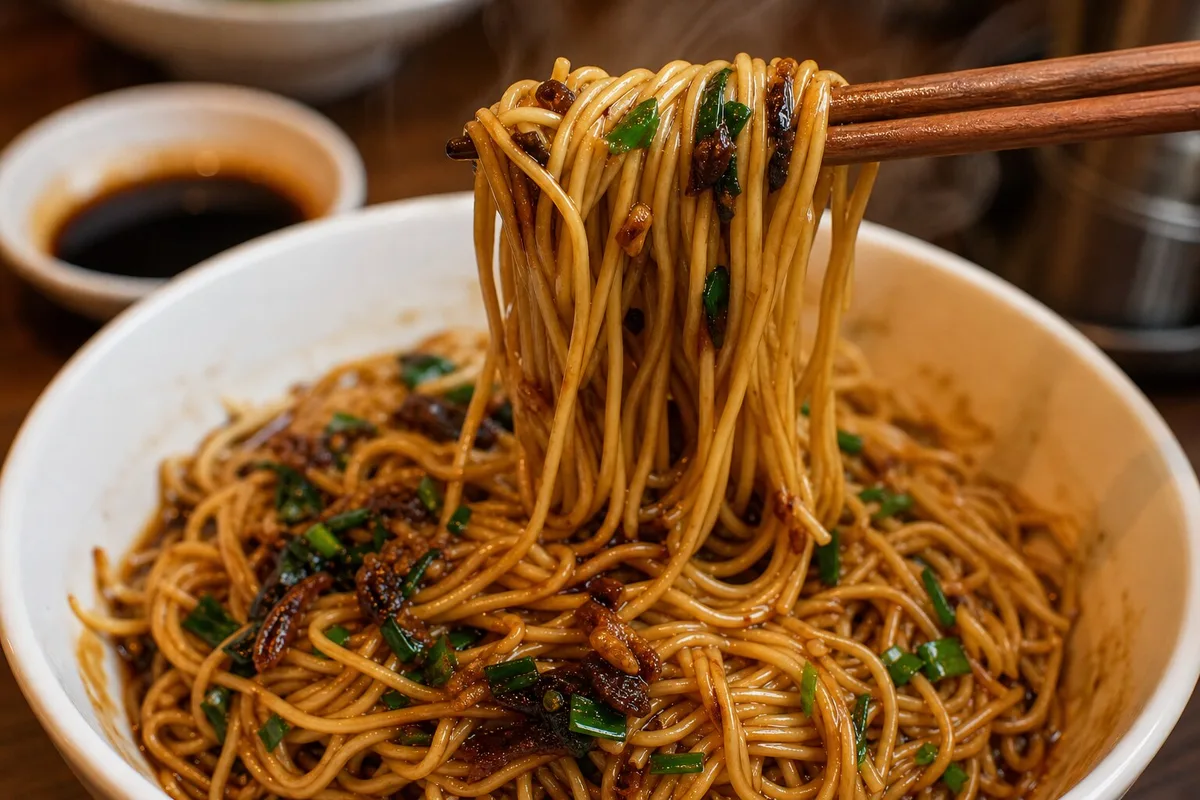
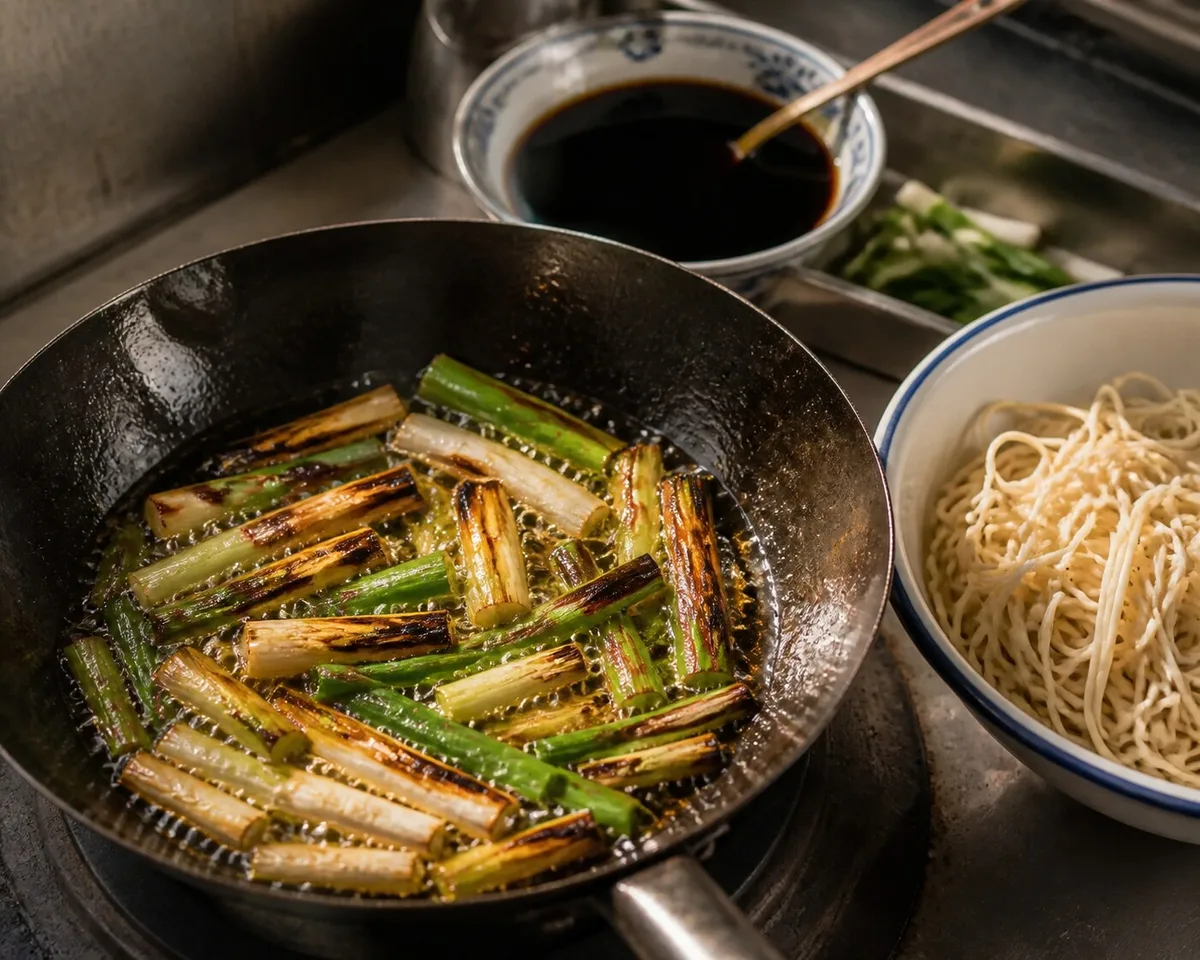
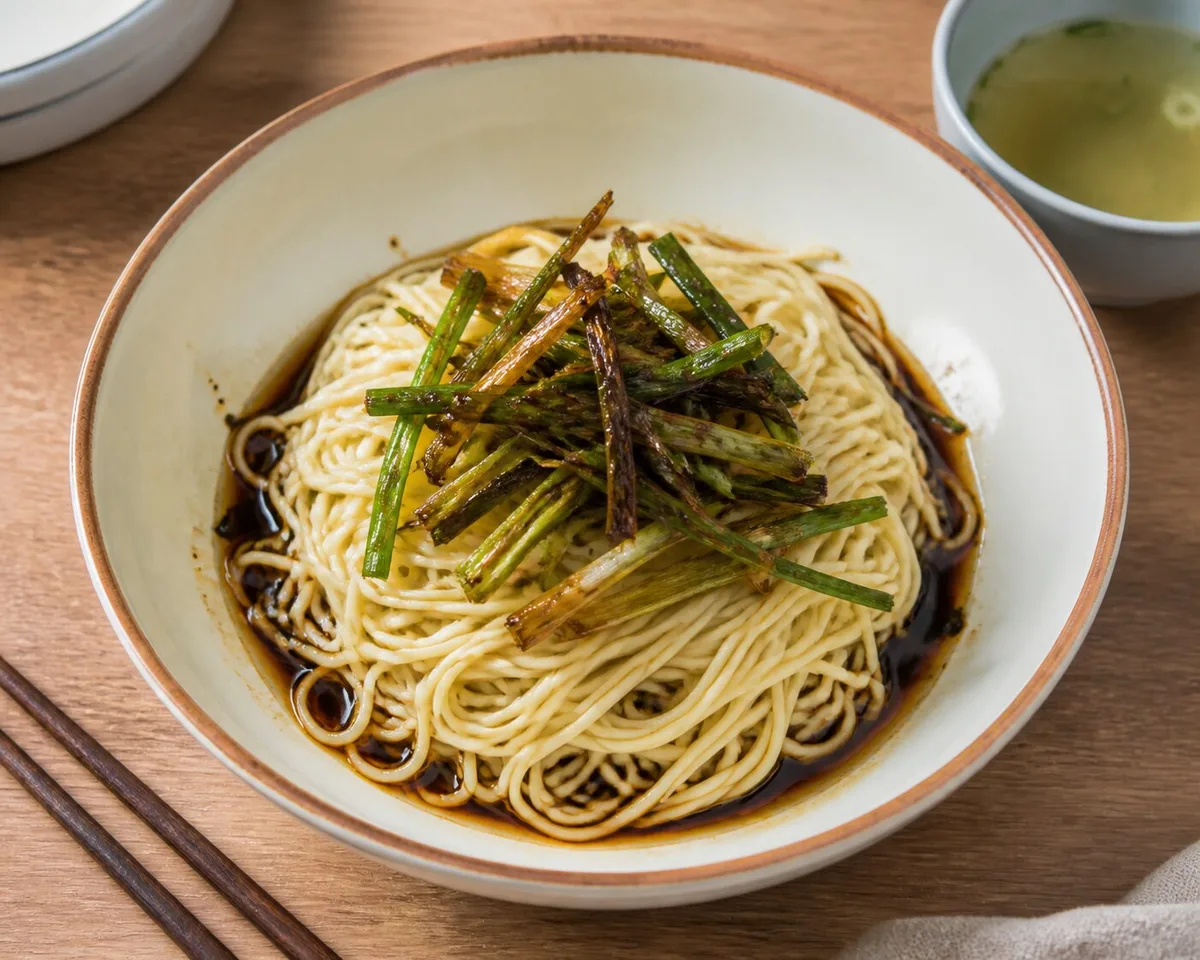
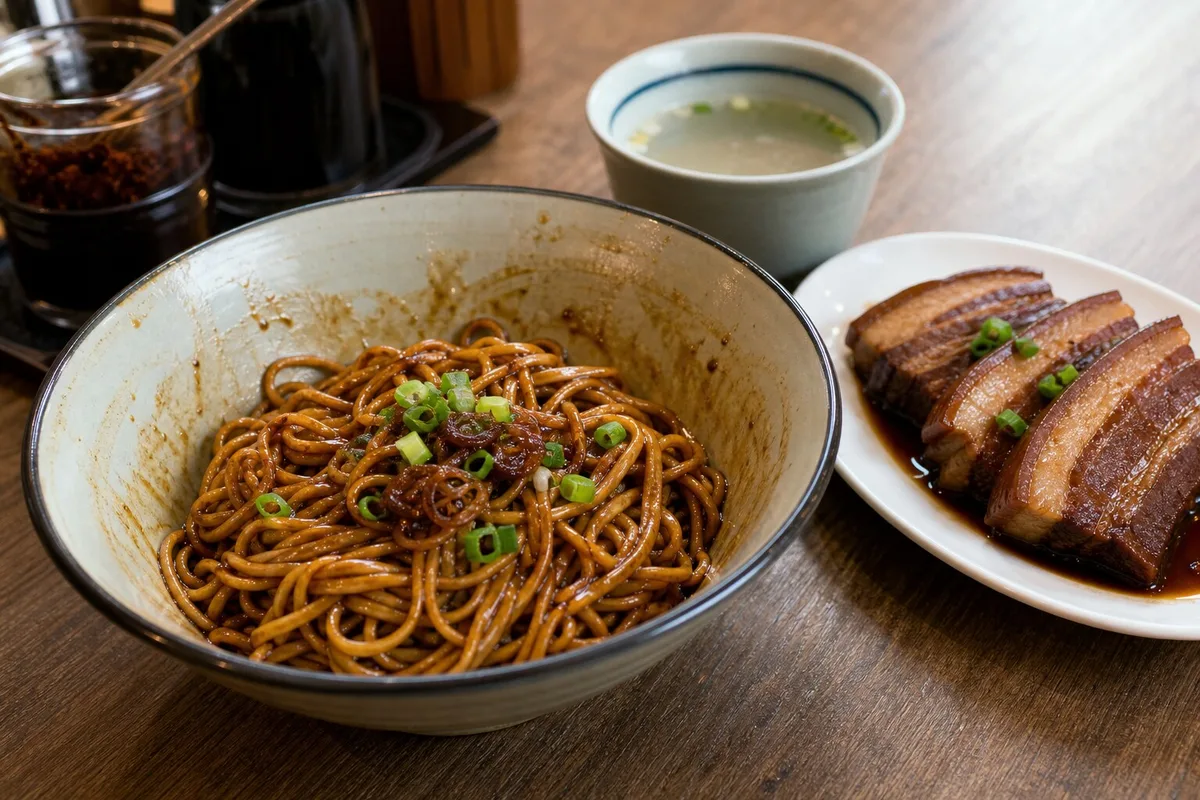
This guide goes deeper than the basic scallion oil noodles introduction. It focuses on how the oil should smell, how the sauce should coat the noodles, and how to judge a bowl before adding extras.
The oil should carry the fragrance of scallions that have been cooked until golden and deep, not raw green onion sharpness. If the scallions are pale, the bowl can taste flat. If they are blackened, bitterness takes over and the noodles lose their balance.
A good bowl usually shows different shades of scallion: darker crisp strips for aroma and lighter pieces for freshness. The oil should shine on the noodles without leaving a puddle that feels heavy at the bottom.
The sauce is usually built around soy sauce, scallion oil, and a gentle sweetness. It should season the noodles evenly rather than sit like a dark soup. After mixing, every strand should look coated, but the bowl should still feel like dry noodles, not noodle soup.
If the sauce tastes only salty, the balance is off. If it tastes sugary, the scallion aroma disappears. The best version gives you soy depth first, then toasted scallion, then a soft sweetness that makes the next bite easy.
Scallion oil noodles often arrive with sauce and oil at the bottom or partly hidden under the noodles. Mix quickly while the noodles are hot. Lift from the bottom, turn the noodles over, and repeat until the color becomes even.
Do not wait too long before mixing. As the noodles cool, the oil clings less gracefully and the strands can stick. A well-mixed bowl should look glossy but loose enough that chopsticks can lift the noodles without pulling up one heavy block.
A plain bowl is the clearest way to judge the dish. Braised pork, shrimp, or other toppings can be enjoyable, but they change the focus. If you are trying the noodles for the first time, start plain and add richer sides only if the scallion oil itself is good.
Braised pork belly can work because its sweetness and soy sauce echo the noodle sauce. A light soup on the side also helps reset the palate. What you do not need is another oily fried snack in the same meal.
Scallion oil noodles are useful when you want something local but not too elaborate. They sit naturally between small snacks and full meals. If you already had xiaolongbao or shengjianbao earlier in the day, this bowl gives you a different texture and no soup-filled bite to manage.
The dish also connects well with Shanghai scallion pancake. Both rely on scallion aroma, but the pancake is crisp and layered while the noodles are soft, glossy, and sauce-driven. If you want something gentler after a rich bowl, Shanghai wontons are a better next stop than another dry noodle dish.
Look for a deep scallion aroma before you taste. The noodles should not look dry, but they should not be swimming either. Fried scallions should be crisp enough to add texture, and the sauce should cling to the noodles instead of staining only the bottom of the bowl.
The final test is whether the dish remains interesting after several bites. Good cong you ban mian is repetitive in a pleasant way: scallion, soy, noodle texture, a little sweetness, then another bite. If it becomes tiring halfway through, the oil or salt is probably too heavy.
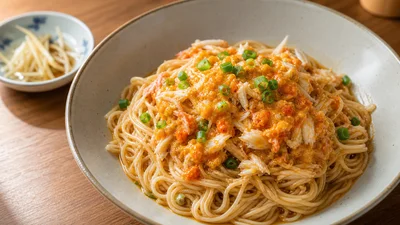
Shanghai crab roe noodles are rich seasonal noodles topped with crab roe and crab meat, usually ordered for c…
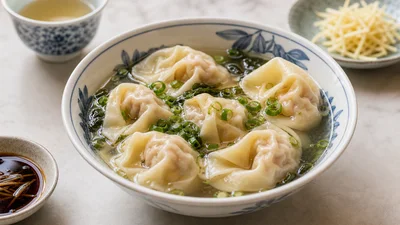
Shanghai wonton soup with soft wrappers, pork and vegetable filling, clear broth, egg strips, seaweed, scalli…
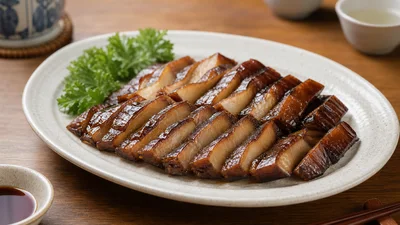
Shanghai smoked fish, or xun yu, is usually fried fish slices soaked in a dark sweet-savory sauce and served…
Comments (0)