Shanghai Hairy Crab: Season, Roe, Vinegar, and Eating Tips
A detailed guide to hairy crab in Shanghai, including autumn season, crab roe, whole steamed crab, vinegar, ginger, and visitor-friendly alternatives.
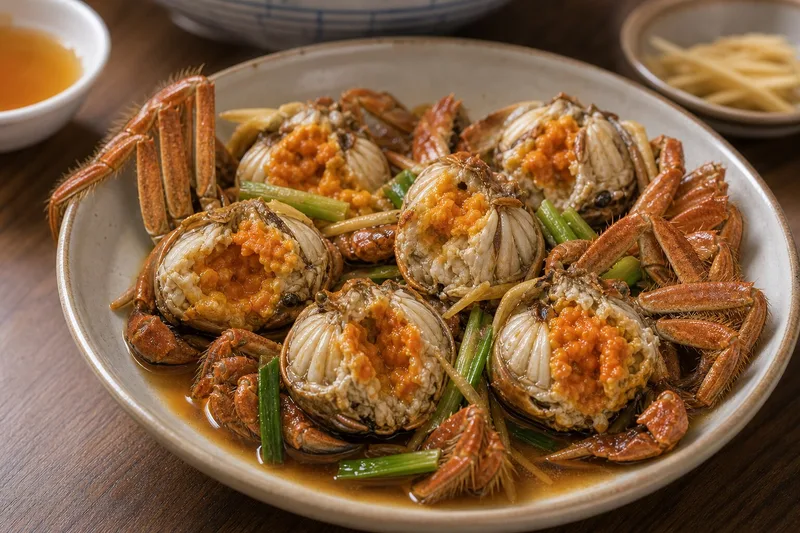
A detailed English guide to Shanghai Liuyuehuang, covering early-summer young hairy crabs, soft shells, developing roe, steaming, ginger-scallion cooking, vinegar, and how they di…
Liuyuehuang are young hairy crabs eaten in Shanghai before the famous autumn hairy crab season arrives. The name is often understood as a June crab, and that timing matters: these crabs are still immature, with smaller bodies, softer shells, tender meat, and roe that is developing rather than fully set.
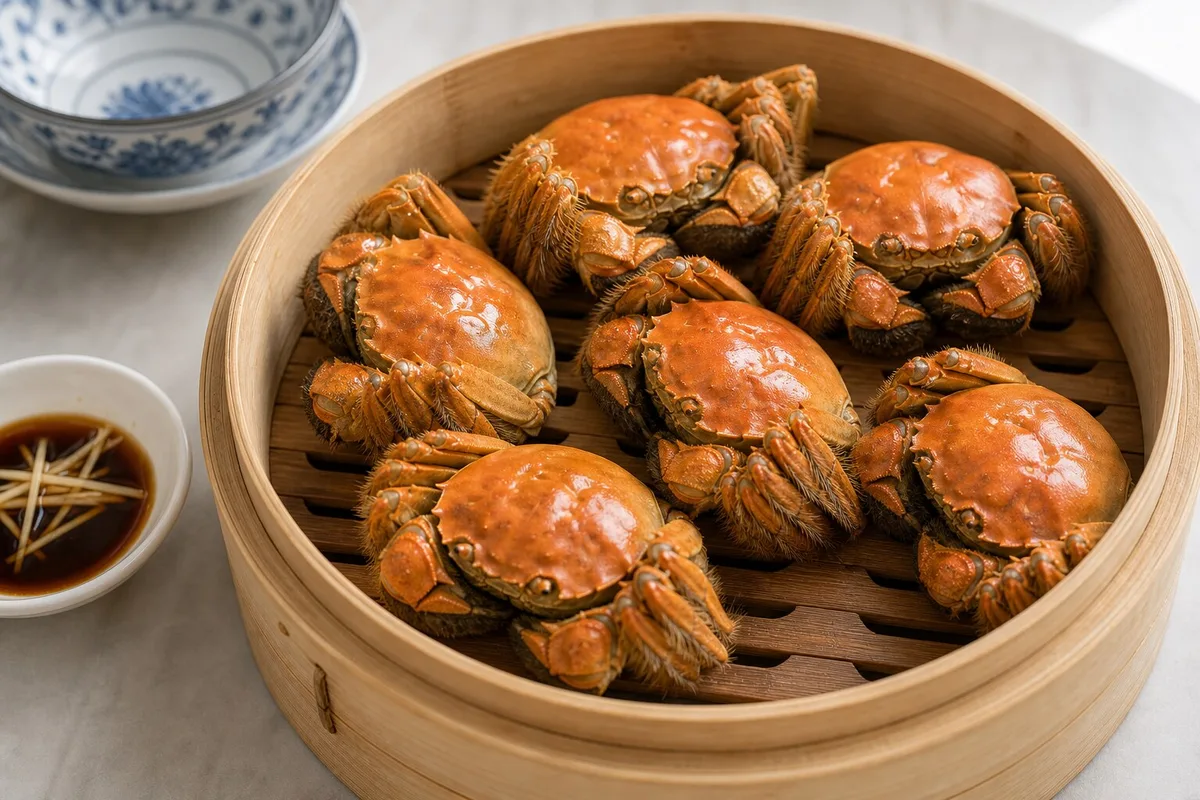
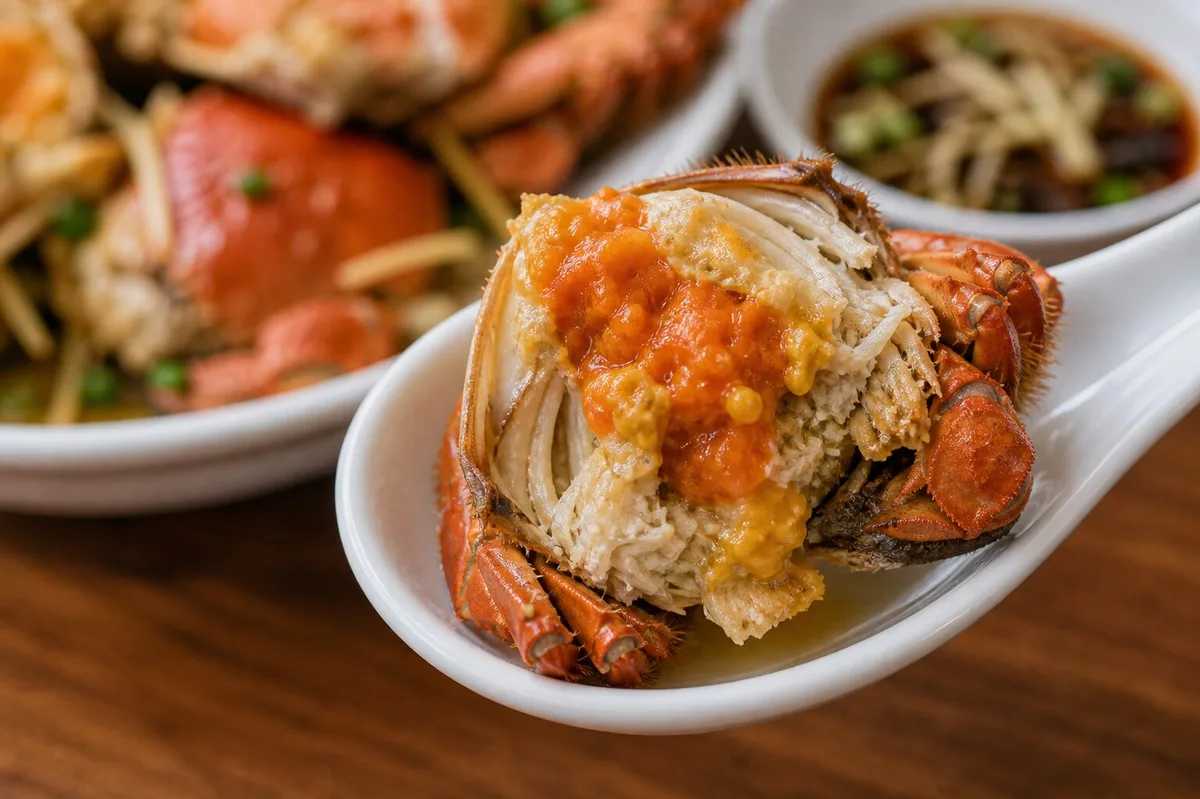
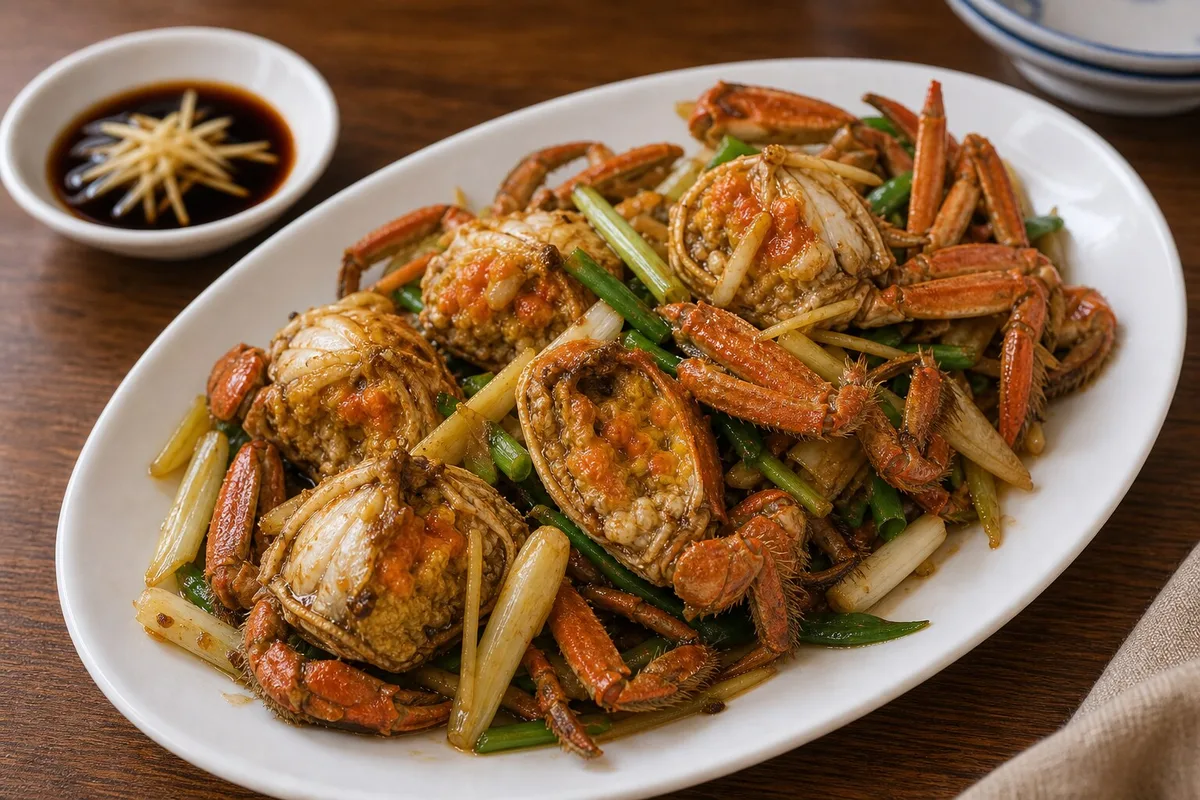
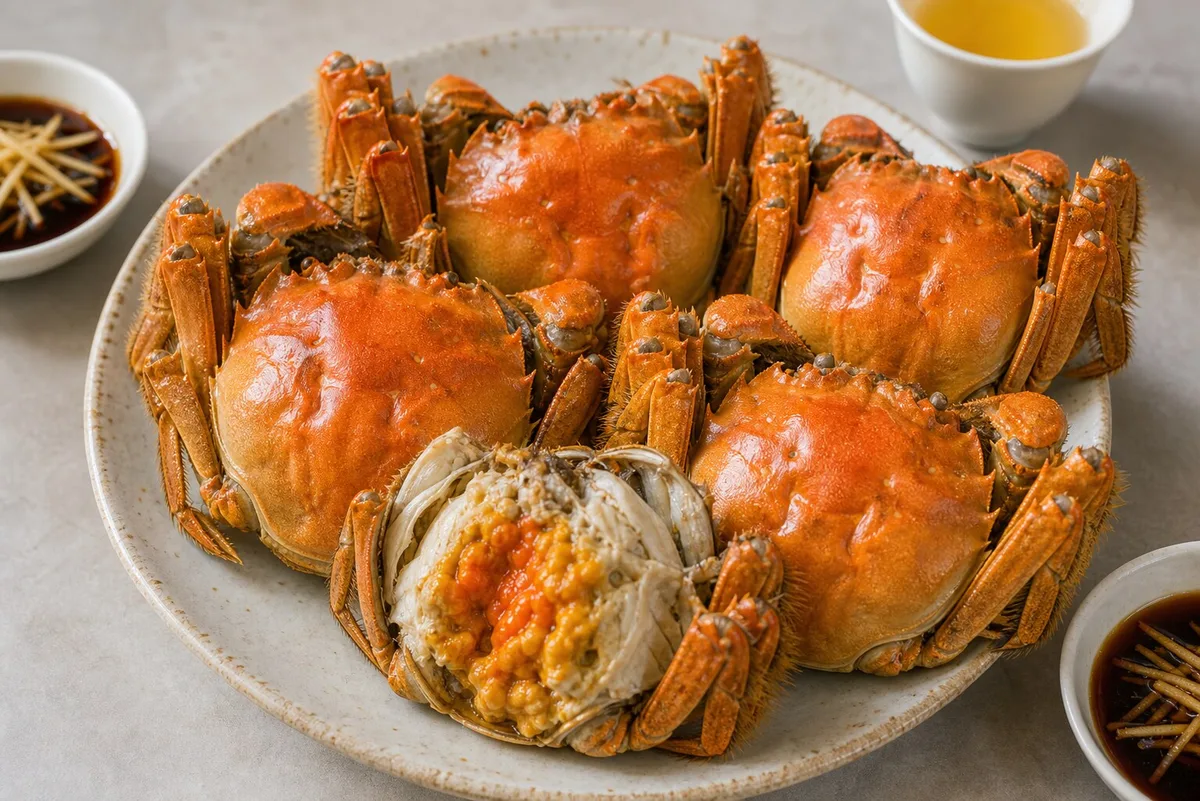
For visitors, this is a useful distinction. A plate of Liuyuehuang is not meant to replace the slow autumn ritual described in the main Hairy Crab guide. It is a lighter, earlier, more casual way to enjoy Shanghai crab flavor while the city is already moving into summer.
Mature hairy crab is usually judged by thick roe, firm crab meat, and the pleasure of opening the shell piece by piece. Liuyuehuang is judged differently. The shell should be easier to handle, the meat should taste sweet and fresh, and the roe should give a gentle richness without the dense, sticky feel of peak autumn crab.
Because the crabs are younger, restaurants often serve them in preparations that make the shells and sauce easier to enjoy. You may see them halved, lightly coated, steamed, or stir-fried with ginger and scallions. The goal is to keep the crab flavor clear while making a smaller crab feel satisfying at the table.
Start with the shell. It should look moist and fresh, not dry or chalky. If the crab is cut open, the roe and meat should sit clearly inside the shell instead of being buried under a thick, dark sauce. A little gloss from oil or soy is normal, but the dish should still read as crab first.
Then taste the sauce. Ginger, scallion, rice wine, and a light soy glaze can all work well with young hairy crab, but they should not erase the sweetness of the meat. If every bite tastes only salty or sugary, the kitchen is hiding the crab instead of supporting it.
Steamed Liuyuehuang is the cleanest format. It lets you taste the crab meat, soft shell, and developing roe with ginger vinegar on the side. This is the best choice if you want to understand the ingredient before adding stronger seasonings.
Ginger-scallion stir-fried Liuyuehuang is more aromatic and easier to share. The cut surfaces catch sauce, the scallions add sweetness, and the ginger keeps the crab from feeling heavy. If you already like the richness of crab roe noodles, this style gives a more direct crab experience without turning the meal into a full autumn crab banquet.
Some Shanghai menus pair young crab with rice cakes. This makes sense because the rice cakes absorb the crab sauce and give the dish more body. If you enjoy the chewy texture of Shanghai rice cakes, crab rice cakes can be a smart bridge between a seafood dish and a filling main course.
The risk is that the rice cakes become more memorable than the crab. A good version still lets you see pieces of crab clearly. If the plate is mostly sauce and rice cake with only a few small shell pieces, order it as a rice cake dish rather than expecting a crab-focused meal.
Ask whether the crabs are served whole or cut. Whole steamed crabs feel closer to the traditional hairy crab experience, while cut and stir-fried crabs are easier for a shared table. If you are ordering for two people, one crab dish plus noodles, rice cakes, or vegetables is usually enough to understand the flavor without making the meal repetitive.
Do not expect the large roe payoff of late-season hairy crab. Liuyuehuang is about tenderness, timing, and summer freshness. If you want the most intense crab roe flavor in an easier format, add crab roe noodles on another stop and compare the two styles.
Because Liuyuehuang can be saucy, it works well with simple green vegetables, plain rice, or a clear soup. If the table needs a deeper Shanghai flavor, add Shanghai smoked fish for a sweet-savory cold dish or hong shao rou for a richer contrast. Keep portions controlled so the crab remains the reason for the meal.
Ginger vinegar is the classic companion. Use it lightly at first. The vinegar should brighten the crab, not make every bite taste sharp. If the crab is stir-fried with enough ginger and scallion already, you may need very little extra vinegar.
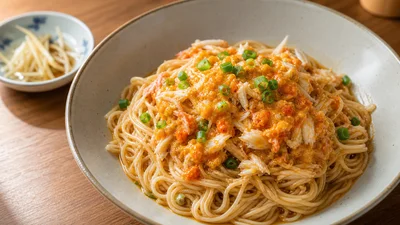
Shanghai crab roe noodles are rich seasonal noodles topped with crab roe and crab meat, usually ordered for c…
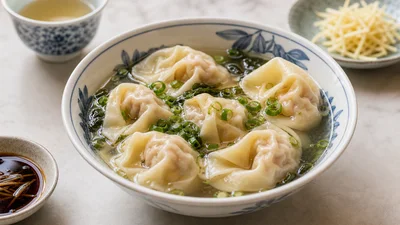
Shanghai wonton soup with soft wrappers, pork and vegetable filling, clear broth, egg strips, seaweed, scalli…
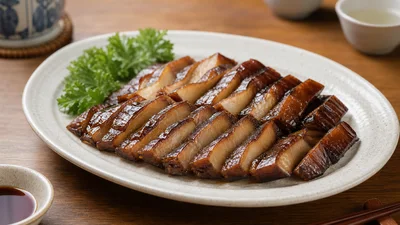
Shanghai smoked fish, or xun yu, is usually fried fish slices soaked in a dark sweet-savory sauce and served…
Comments (0)