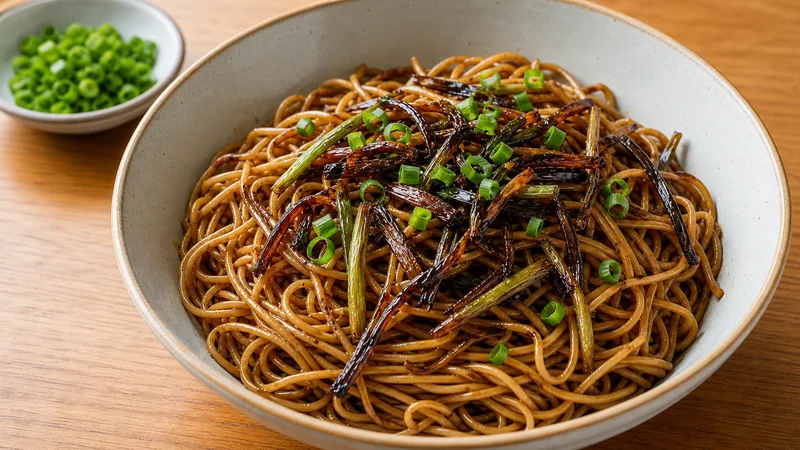
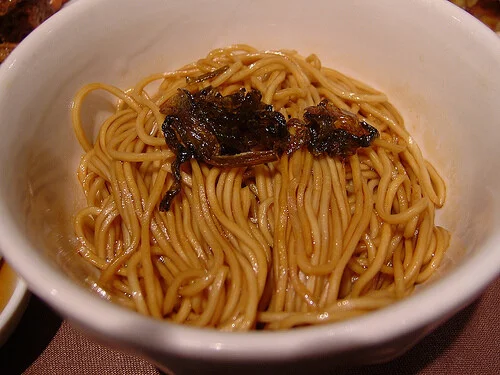
Scallion oil noodles are the kind of Shanghai dish that can seem almost too plain at first. There is no dramatic topping, no soup, and no pile of seafood. The bowl depends on one thing being done correctly: scallions cooked in oil until their aroma becomes deep enough to season the noodles.
This is why cong you ban mian is a useful test of a simple shop. If the scallions smell toasted rather than burnt, the soy seasoning is balanced, and the noodles still have spring after mixing, the bowl can feel richer than its ingredient list suggests.
What the Sauce Should Do
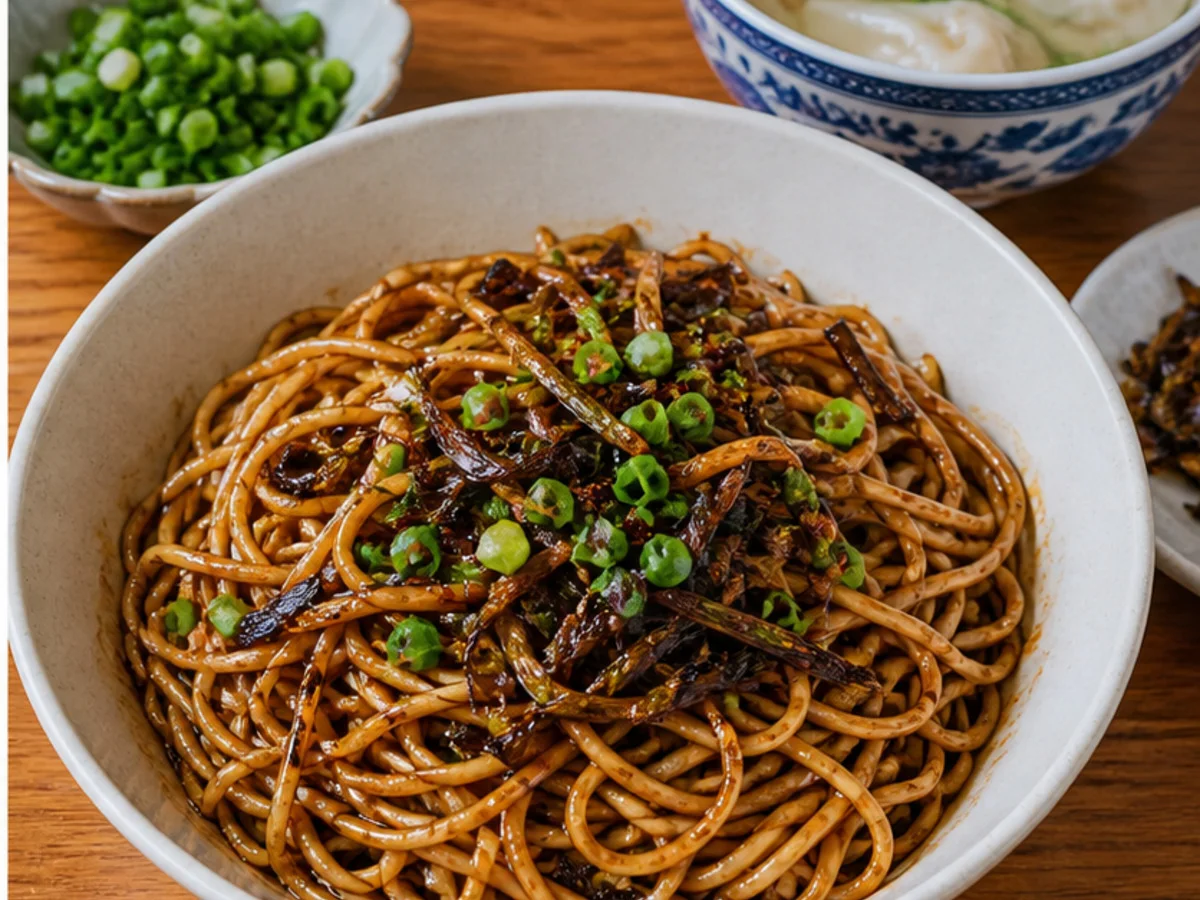
The sauce should coat the noodles without pooling at the bottom. Shanghai sweetness may be present, but it should round the soy sauce rather than make the bowl sugary. The scallions should appear as dark, fragrant strips or pieces, not as a raw green garnish thrown on at the end.
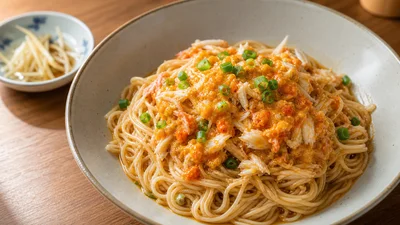
For a richer comparison, save crab roe noodles for another meal. Both dishes use noodles as a base, but one is about scallion fragrance and restraint while the other is about seasonal crab richness.
How to Eat It Well
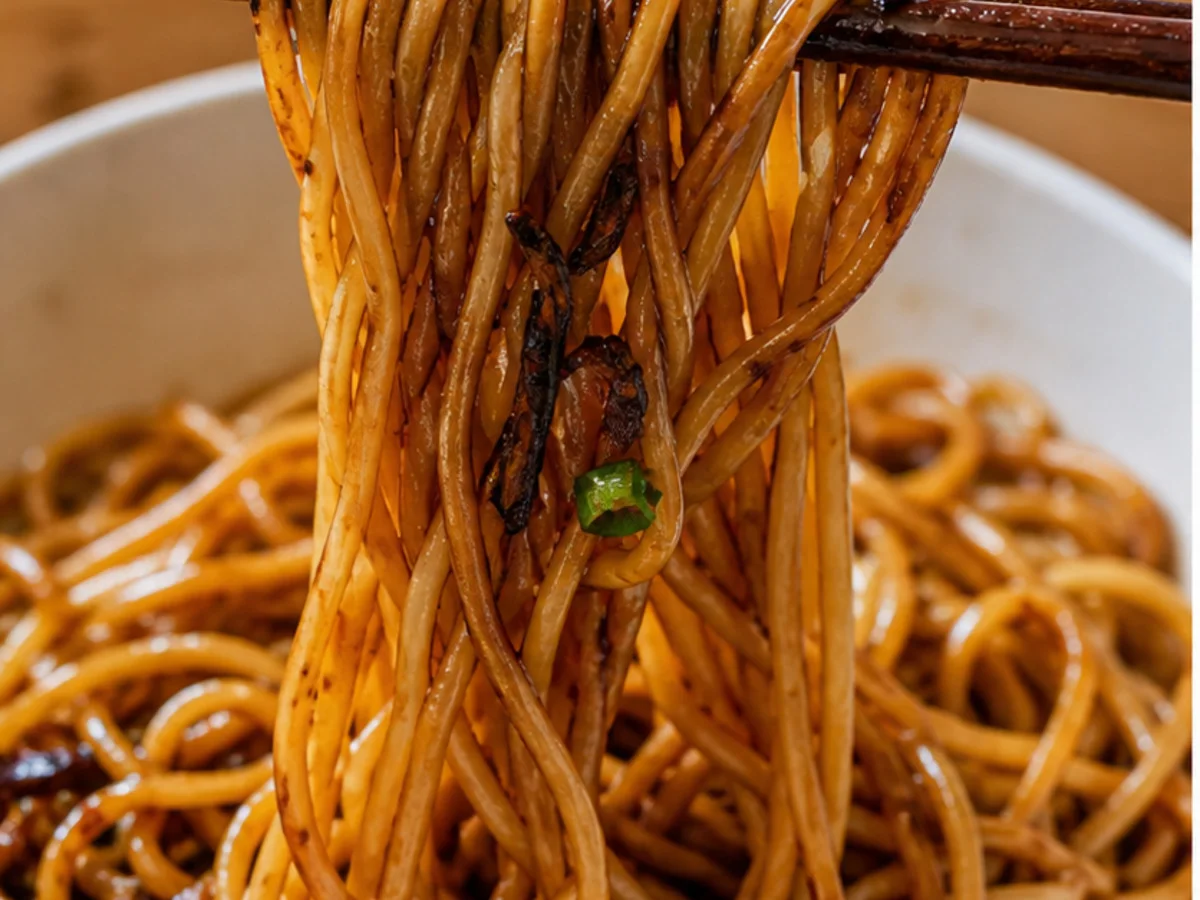
Mix immediately while the noodles are hot. The first minute matters because the oil and soy cling more evenly before the noodles cool. If you wait too long, the texture tightens and the dish feels heavier.
What to Pair With It
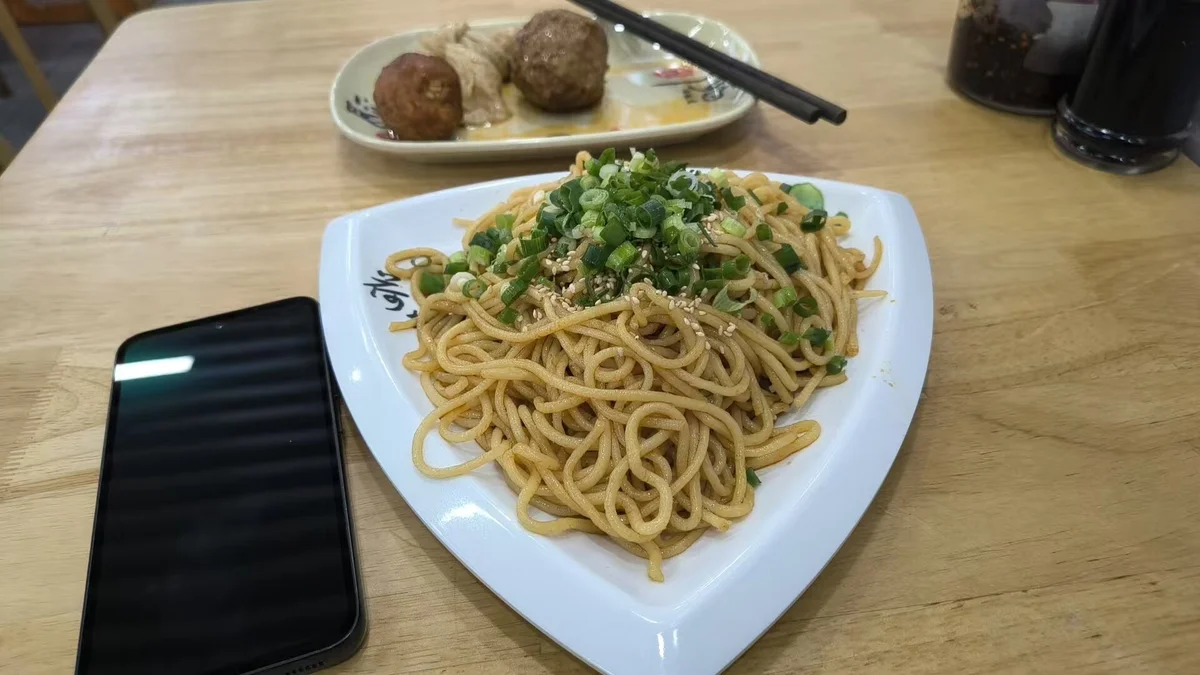
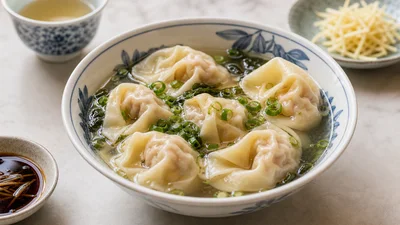
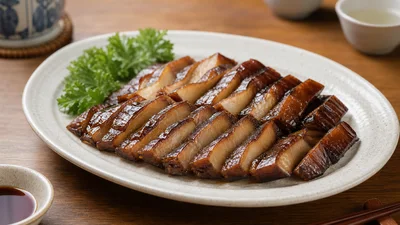
A small bowl of Shanghai wontons gives you soup beside the dry noodles. In a restaurant setting, smoked fish works as a stronger starter, while greens or a light soup keep the meal from becoming too oily. If you are already ordering hong shao rou, keep the noodle portion small because both dishes lean savory and glossy.
Good Bowl Checklist
- Noodles lift separately instead of clumping.
- Scallions smell fragrant, not bitter.
- The bowl looks glossy but not wet.
- The flavor is savory first, with sweetness in the background.
Comments (0)