Shanghai Wonton Soup: Small Wontons, Large Wontons, and Fillings
A detailed English guide to Shanghai wontons, including small soup wontons, large vegetable-and-pork wontons, broth, fillings, and ordering tips.
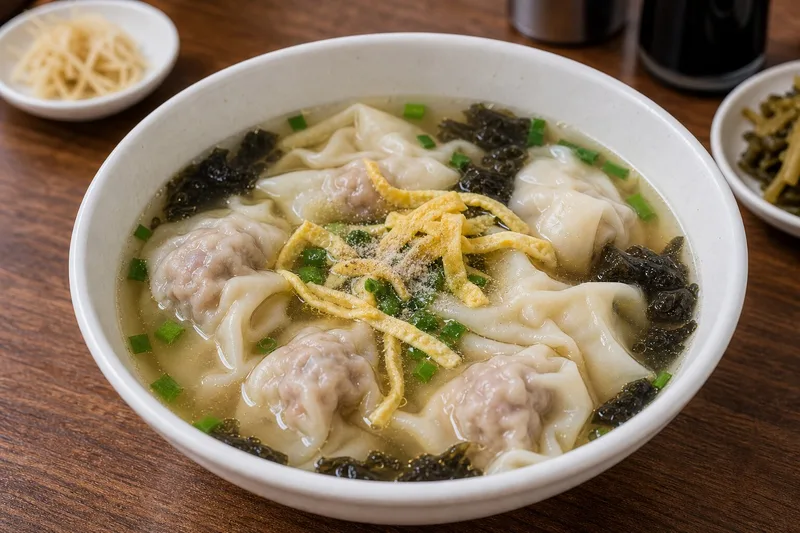
A detailed English guide to Shanghai pork and vegetable wontons, covering cairou huntun filling, clear broth, egg strips, dried seaweed, scallions, wrapper texture, and ordering t…
Shanghai pork and vegetable wontons, often called cairou huntun, are one of the most useful bowls for visitors who want local comfort food without a heavy meal. The bowl is built around soft wrappers, minced pork, chopped greens, clear broth, and small toppings that add aroma: egg strips, dried seaweed, scallions, and sometimes a little sesame oil or white pepper.
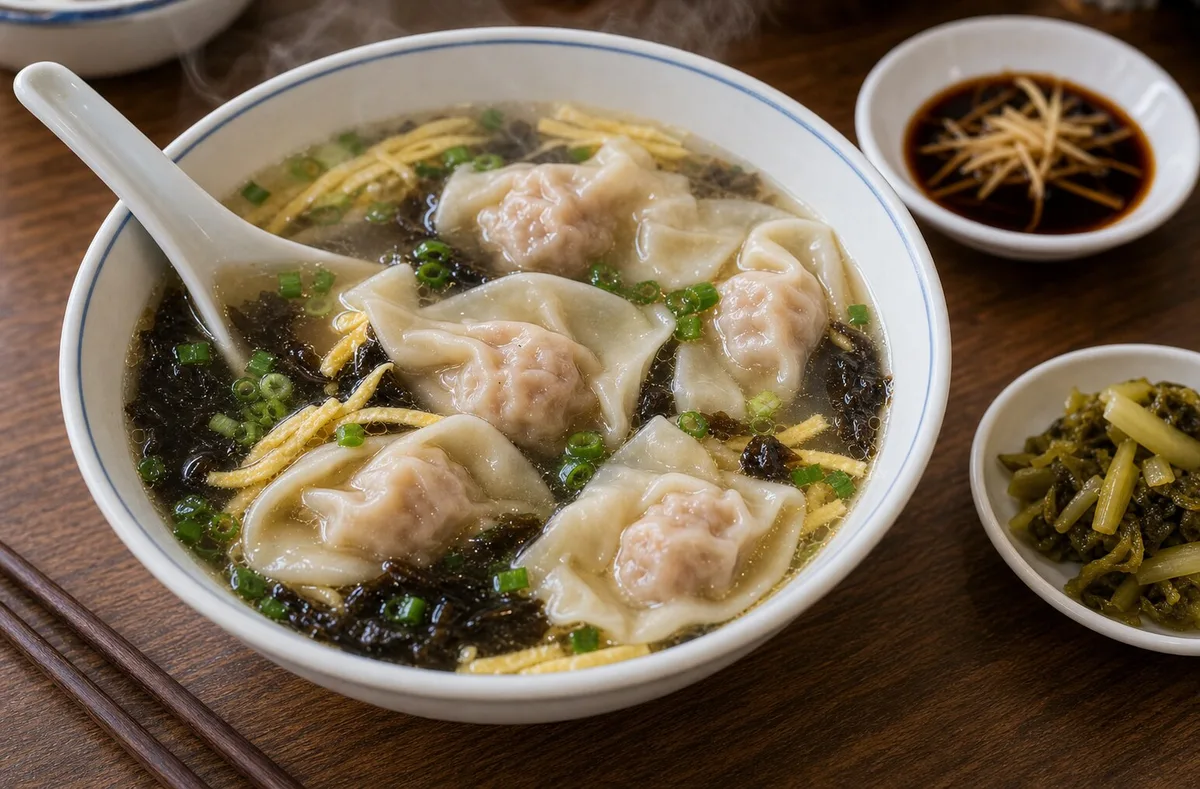
This guide goes deeper than the basic Shanghai wonton introduction. It focuses on filling balance, broth clarity, wrapper texture, and how to order a bowl that feels complete rather than bland or overloaded.
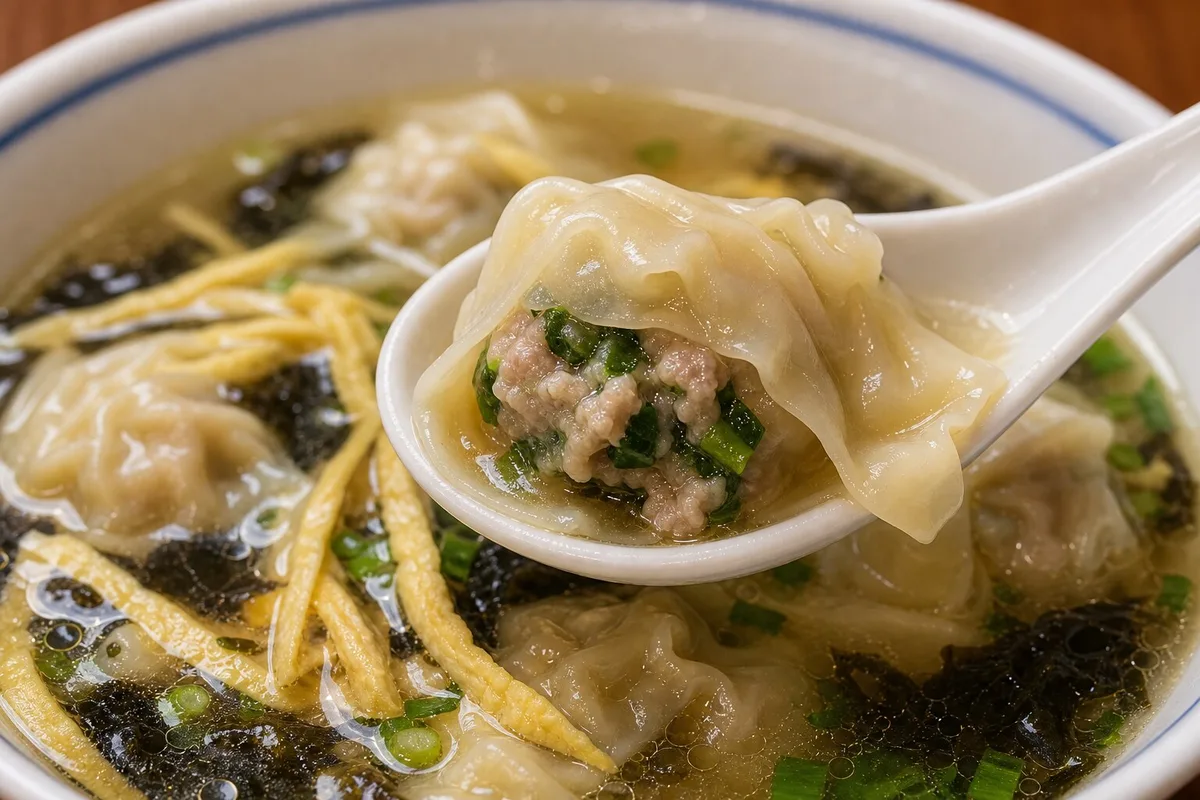
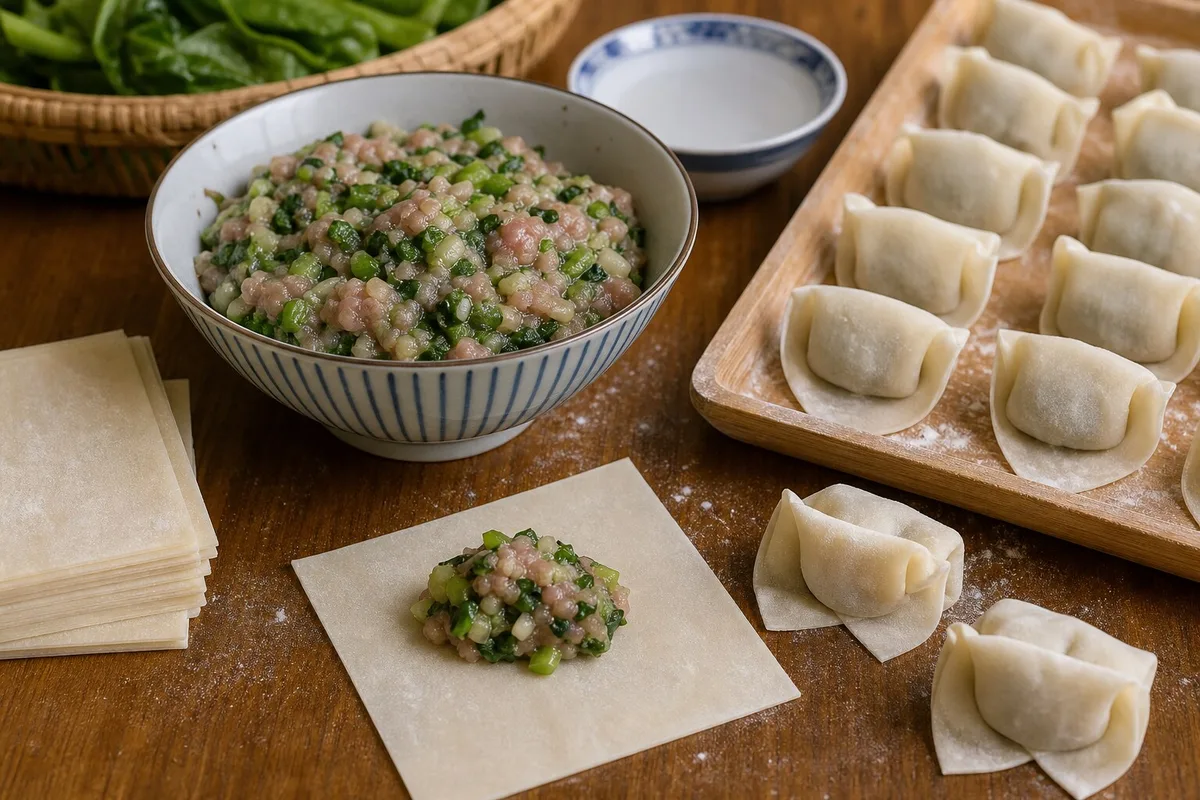
Cairou huntun usually points to wontons filled with pork and vegetables. The vegetable can vary by shop and season, but the goal is the same: the pork gives body while the greens keep the filling fresh and soft. The filling should taste savory and clean, not dense like a meatball.
If the filling is too loose, the wonton can feel watery. If it is too firm, the wrapper and broth lose their gentle texture. A good pork and vegetable wonton should feel like one soft bite, with filling, wrapper, and soup working together.
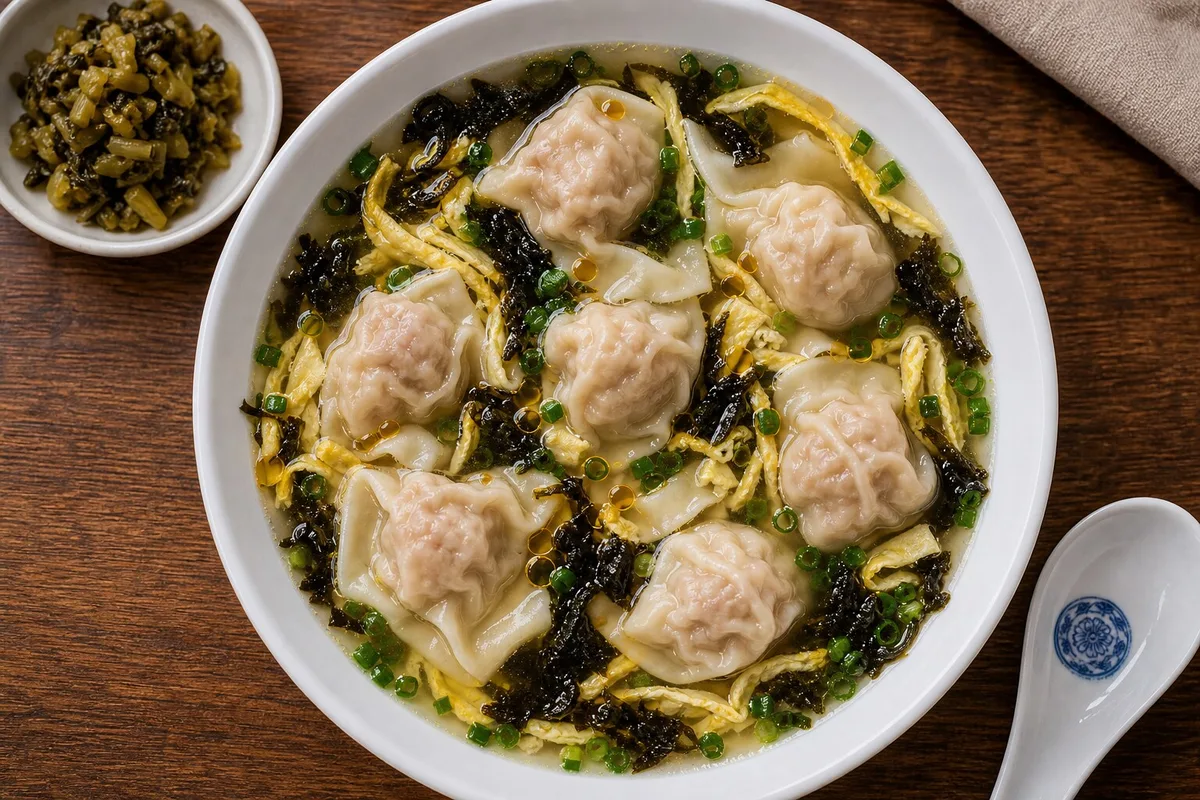
The broth should be clear enough to let the wontons remain the main subject. It does not need to be plain, but it should not hide the filling under heavy seasoning. Egg crepe strips add softness, dried seaweed adds a light marine note, and scallions add freshness.
A little white pepper or sesame oil can make the bowl more aromatic, but too much can flatten the pork and vegetable filling. The best broth tastes supportive: warm, clean, lightly savory, and easy to finish.
Shanghai wonton wrappers should be soft and smooth after cooking. They should fold around the filling without tearing into the soup. If many wontons are split before you touch them, the bowl has already lost structure.
The wrapper should also be thin enough to feel gentle, but not so fragile that every bite falls apart. This is where wontons differ from xiaolongbao: wontons do not need to hold a pocket of hot broth inside, so the pleasure comes from softness and soup rather than a careful burst.
Pork and vegetable wontons are often larger and more filling than small breakfast wontons. If you want a meal, choose the larger style. If you want a light stop between snacks, small wontons may be better.
For a breakfast route, avoid stacking too many rich foods in one sitting. Wontons can pair with a small portion of soy milk and youtiao or a simple snack, but they do not need to compete with every fried item on the table.
If the wontons are your main meal, add a small cold dish or preserved vegetables for contrast. If you are eating them before a restaurant meal, keep the bowl simple. Wontons are useful because they leave room for other dishes later.
They also balance richer foods. After a meal built around hong shao rou or smoked fish, a wonton bowl on another day gives you a softer, clearer view of Shanghai flavors.
Look for intact wontons, clear broth, and toppings that support the soup rather than cover it. The filling should taste fresh and savory, with vegetables visible or clearly present in the bite.
The bowl should feel calming, not flat. If you finish the broth easily and still remember the filling, the balance is right. If the soup tastes only salty or the wrappers feel broken and heavy, choose a different shop next time.
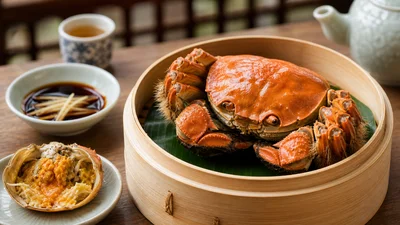
Shanghai hairy crab season includes autumn mature crabs and early-summer Liuyuehuang young crabs with softer…
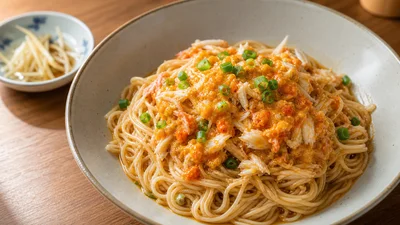
Shanghai crab roe noodles are rich seasonal noodles topped with crab roe and crab meat, usually ordered for c…
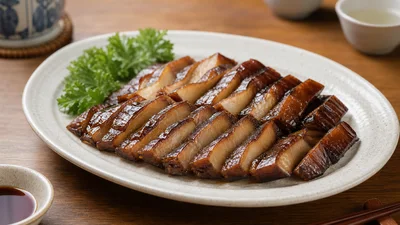
Shanghai smoked fish, or xun yu, is usually fried fish slices soaked in a dark sweet-savory sauce and served…
Comments (0)