Shanghai Hong Shao Rou: Braised Pork Belly Flavor and Ordering Guide
A detailed guide to Shanghai-style braised pork belly, covering hong shao rou sauce, texture, sweetness, restaurant context, and pairings.
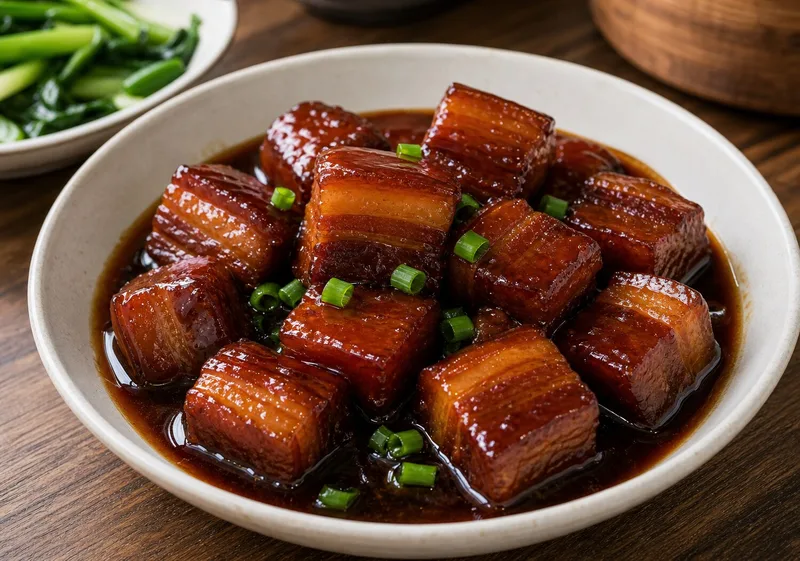
A detailed English guide to Shanghai hong shao rou, covering glossy sauce color, rock sugar sweetness, layered pork belly texture, rice pairings, and how to judge red-braised pork…
Shanghai hong shao rou is often translated as red-braised pork belly, but the English name only explains part of the dish. The best plate is not just pork cooked in dark sauce. It is a balance of color, sweetness, soy depth, soft fat, tender lean meat, and sauce that has reduced enough to shine.
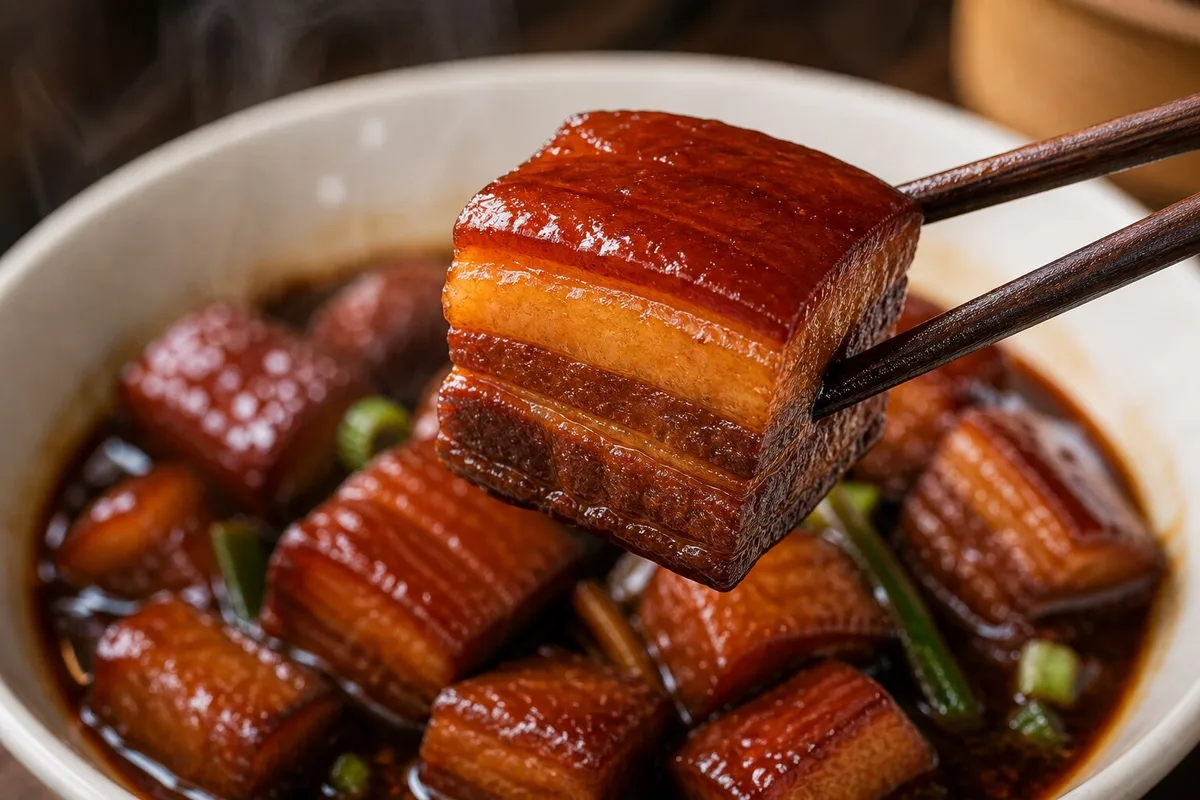
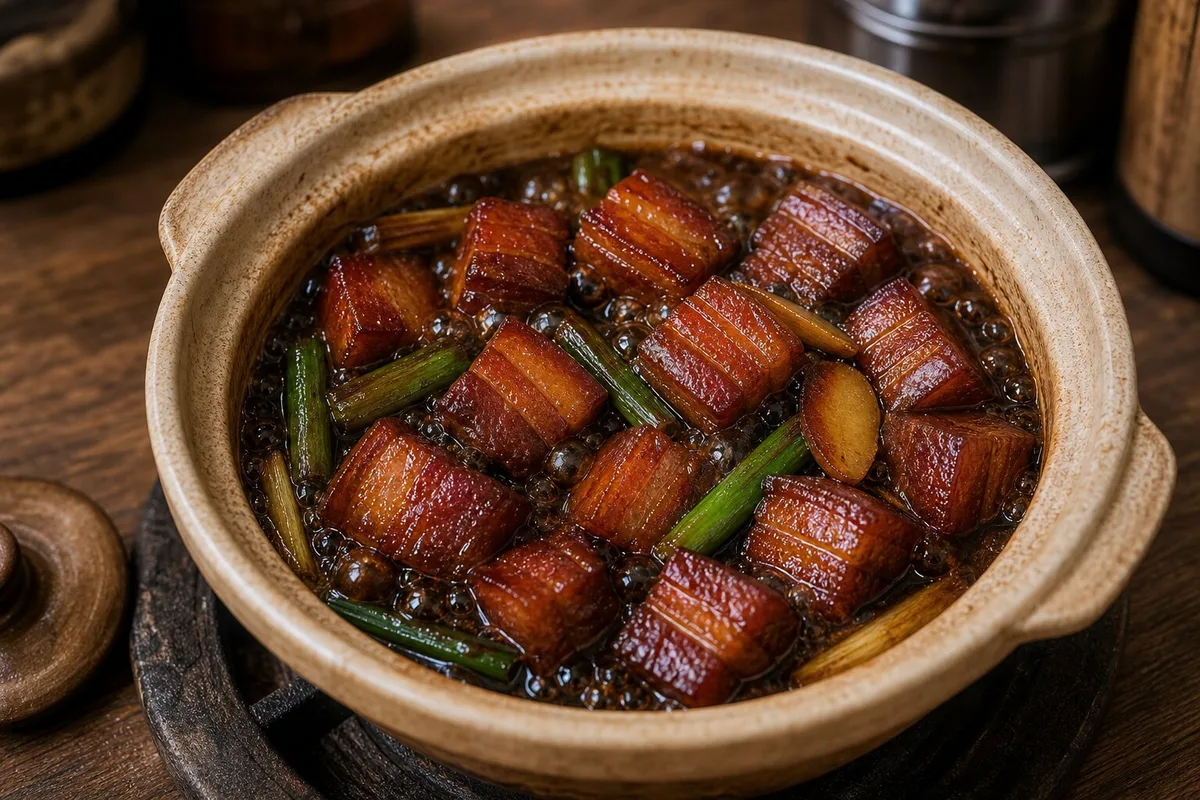
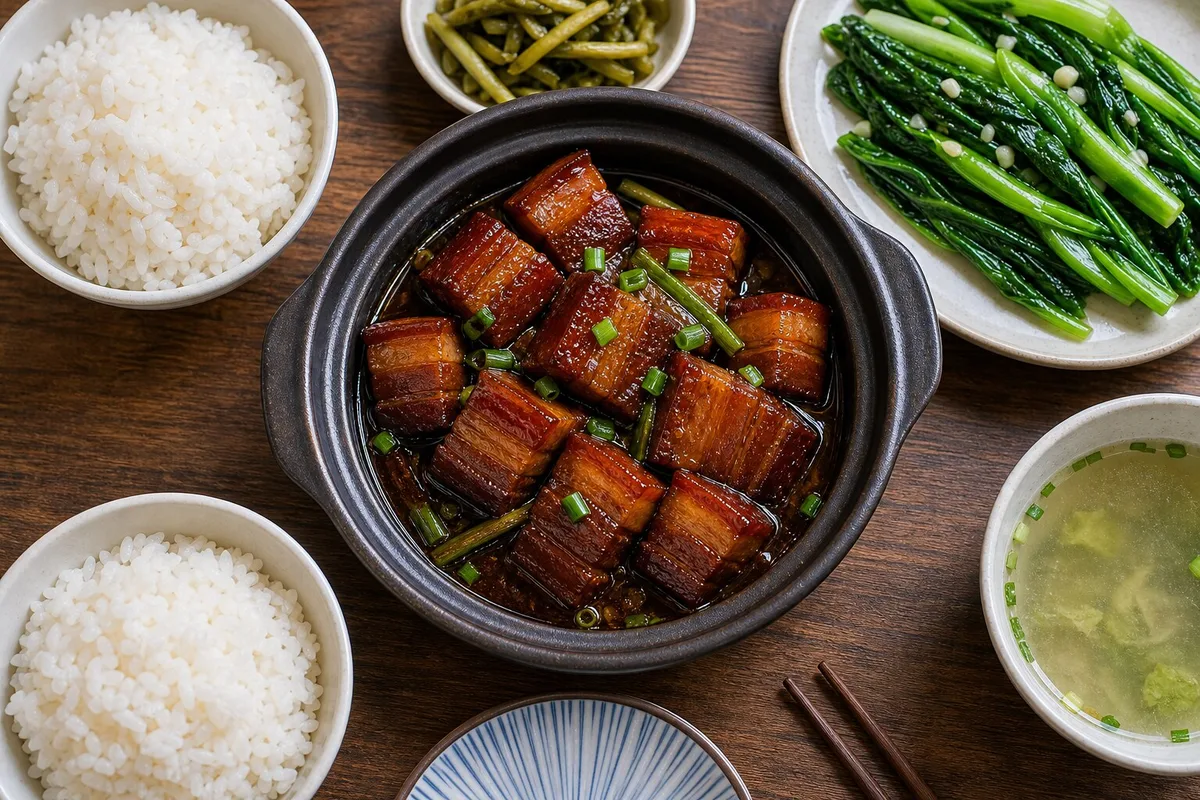
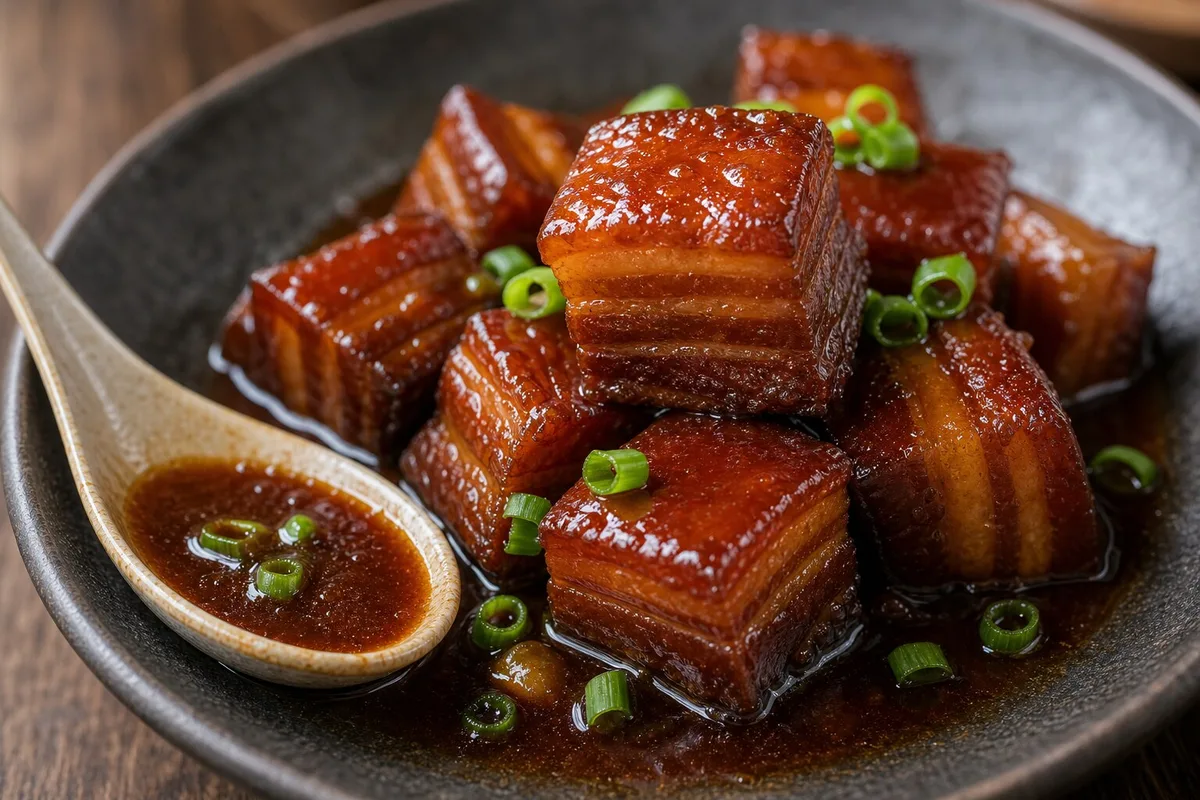
This guide goes deeper than the basic Shanghai braised pork belly introduction. It focuses on how the sauce should look, how the pork should feel, and how to build a table around a rich shared dish without making the whole meal too heavy.
Good hong shao rou should look glossy, not watery. The sauce should cling to each cube and give the pork a deep amber-red color. If the sauce runs thin across the plate, the dish may not have reduced enough. If it looks sticky and dull, the sugar may have gone too far.
The color comes from the meeting of soy sauce, sugar, heat, and time. Rock sugar is often used because it helps create a rounded sweetness and a polished shine. The result should taste savory first, then gently sweet.
The cubes should show skin, fat, and lean meat in clear layers. The fat should be soft enough to melt into the sauce, but the cube should still hold together when lifted with chopsticks. If the pork collapses into shreds, the cooking has lost structure. If the fat feels rubbery, it has not cooked long enough.
This layered texture is one reason hong shao rou works better as a shared dish than a large solo portion. A few pieces with rice can feel satisfying. A whole bowl without balance can become tiring.
Rice is not an afterthought. It absorbs the sauce and gives the dish somewhere to go after the first rich bite. A spoonful of rice with a small piece of pork makes the sweetness and soy flavor feel more controlled.
If you are ordering for a group, plan the table around that sauce. Rice, greens, a light soup, or a simple noodle dish can all help. Another dark, sweet, glossy dish beside hong shao rou may make the meal feel repetitive.
Choose one lighter dish for contrast. Shanghai wontons can add soup and softness. Scallion oil noodles work if you keep the noodle portion small and avoid too many oily sides. Seasonal greens are the safest pairing because they reset the palate.
If the meal begins with smoked fish, keep the portion small. Both dishes use sweet-savory sauce logic, but smoked fish is cooler and sharper while hong shao rou is warm, slow, and rich.
Many first-time visitors start with xiaolongbao or shengjianbao, which makes sense because both are easy to order as snacks. Hong shao rou belongs to a different rhythm. It is a sit-down restaurant dish, better with rice and shared plates.
That makes it useful for understanding Shanghai food beyond dumplings. The dish shows the local preference for gloss, roundness, and patient sauce work. It also explains why sweetness in Shanghai cooking is usually meant to support soy and wine, not replace them.
Look for a polished surface, visible layers, and sauce that clings. Taste for soy depth before sweetness. The first bite should feel rich but not cloying. The second bite should make you want rice or greens, not a glass of water.
Good hong shao rou has control. It is soft but not shapeless, sweet but not sugary, glossy but not greasy. If those contrasts are present, the dish is doing what it should.
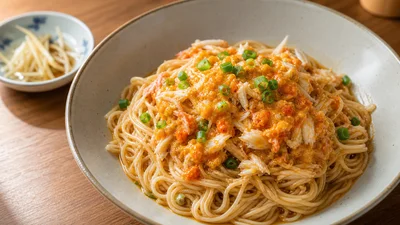
Shanghai crab roe noodles are rich seasonal noodles topped with crab roe and crab meat, usually ordered for c…
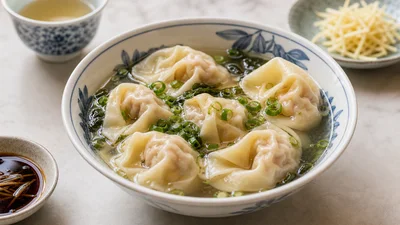
Shanghai wonton soup with soft wrappers, pork and vegetable filling, clear broth, egg strips, seaweed, scalli…
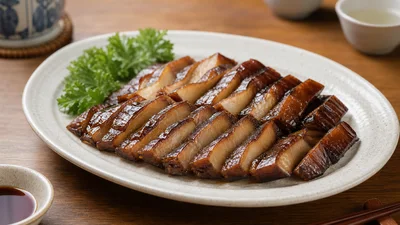
Shanghai smoked fish, or xun yu, is usually fried fish slices soaked in a dark sweet-savory sauce and served…
Comments (0)