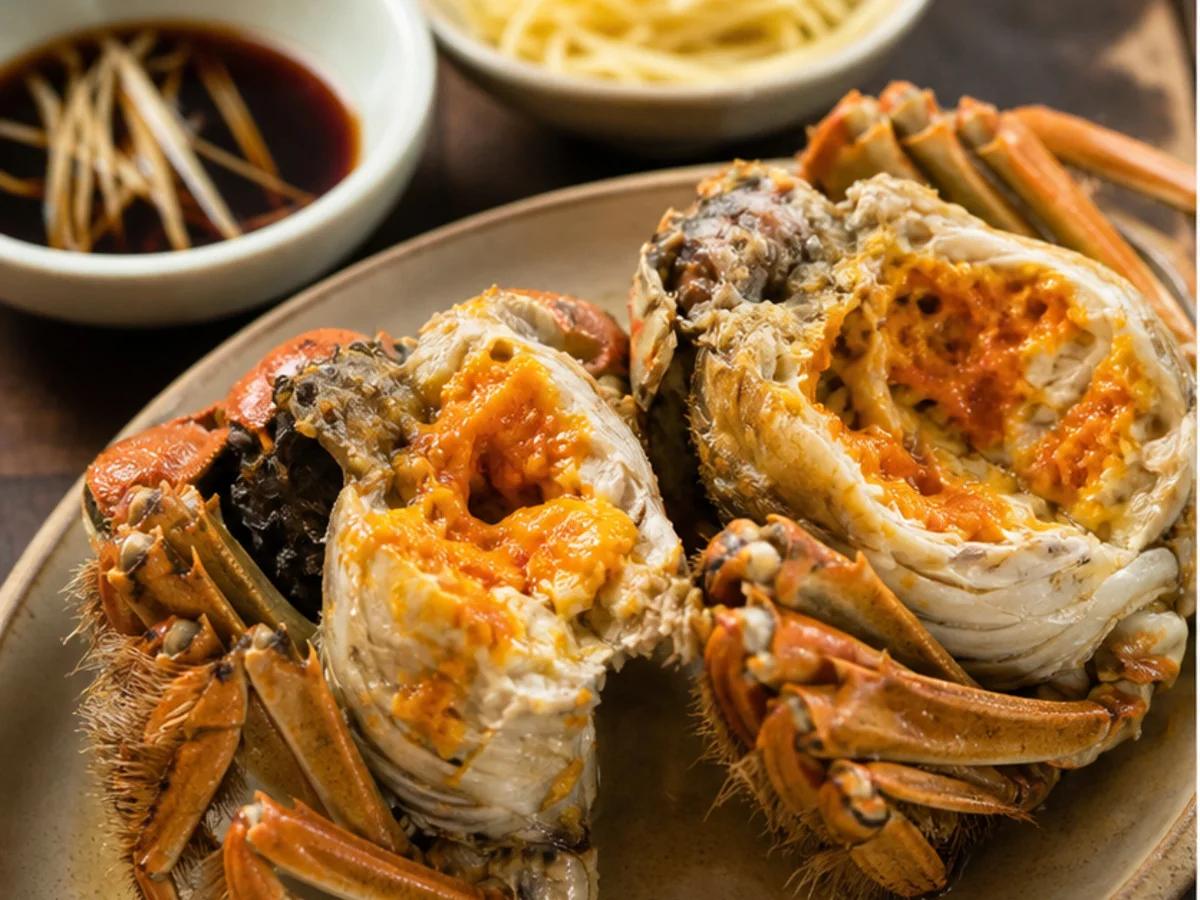
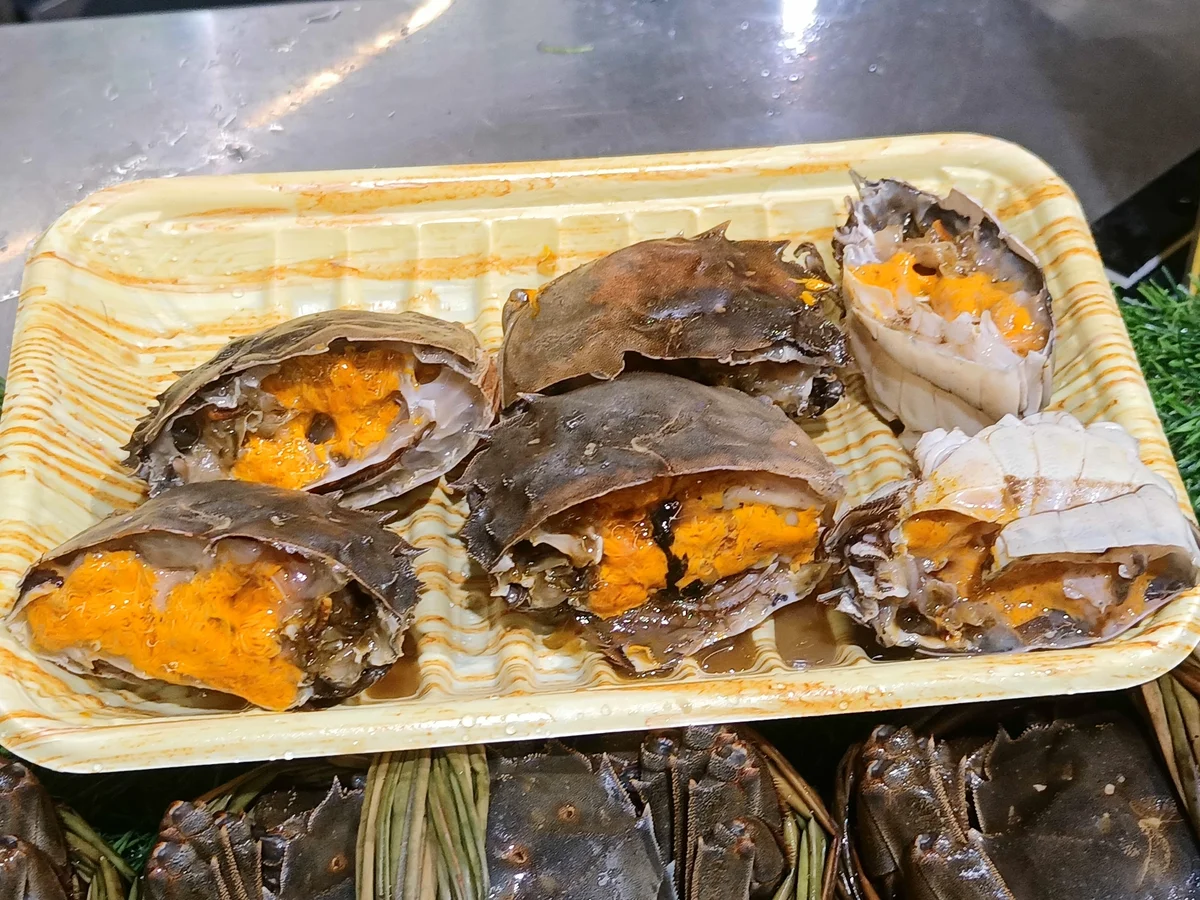
Hairy crab is not just another seafood item in Shanghai. It is a seasonal ritual tied to autumn, roe, vinegar, ginger, gift boxes, and slow eating. The pleasure is concentrated and detailed rather than abundant. If you expect a big crab feast with piles of meat, the dish can be confusing.
The key is to understand what people value: rich roe, delicate flesh, and the timing of the season. Whole crab is one route, but Shanghai also turns the same seasonal flavor into noodles, dumplings, tofu, and rice cake dishes.
When to Care About Season
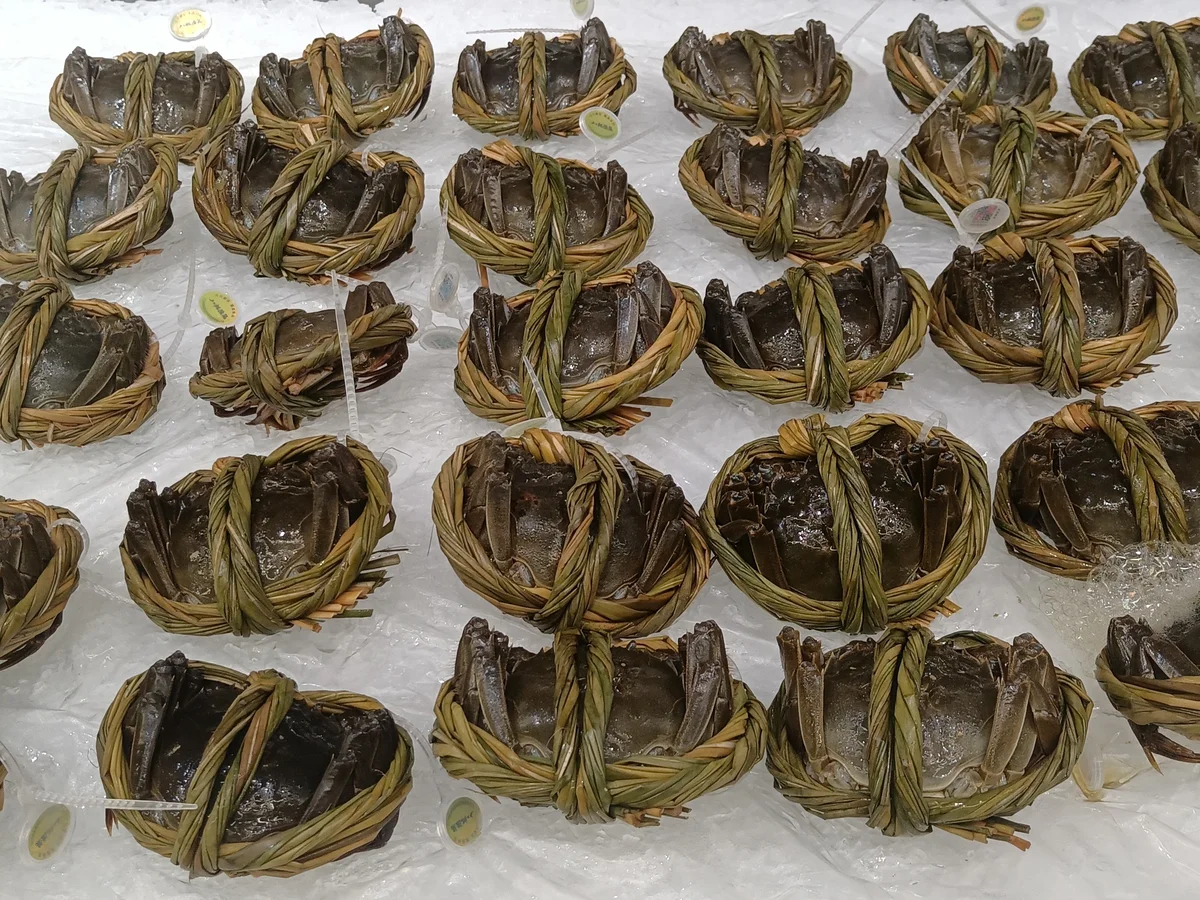
Hairy crab is most strongly associated with autumn. Restaurants may promote male and female crabs, roe-focused dishes, and crab banquets during this period. Outside the main season, crab-flavored dishes may still be available, but the whole-crab experience is less central.
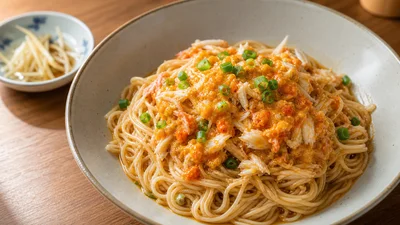
If you want the flavor in an easier format, start with crab roe noodles. You get the richness without needing to dismantle a whole crab.
How Whole Crab Is Usually Served
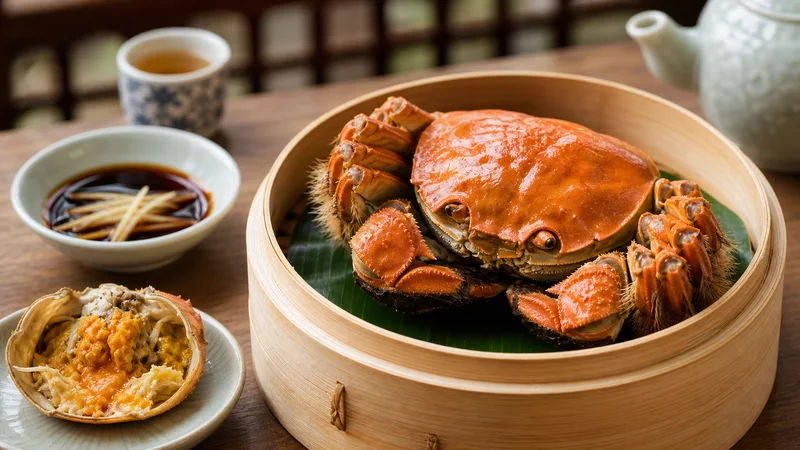
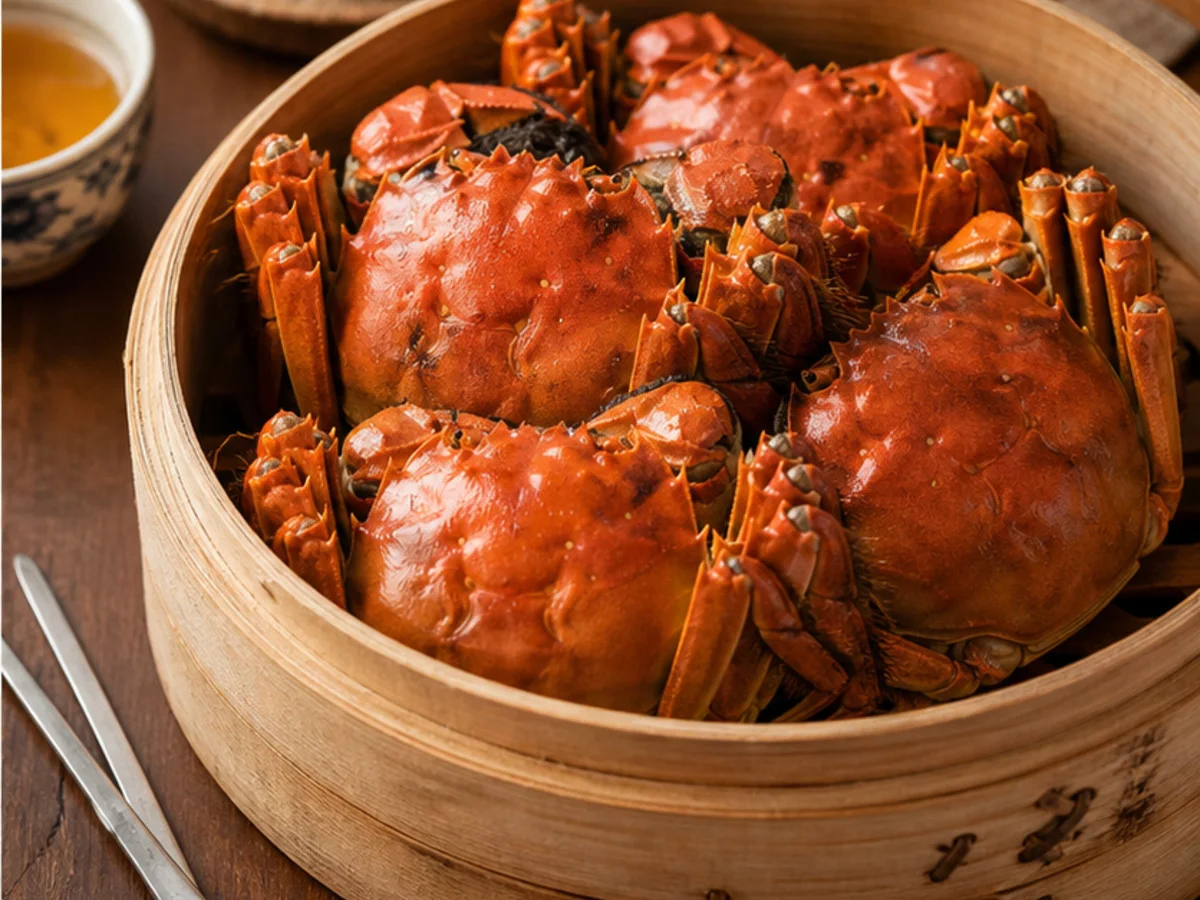
Whole hairy crab is typically steamed and served with vinegar and ginger. The vinegar sharpens the roe and meat; ginger balances the richness. Eating takes time, and some restaurants provide tools or service for diners who are not used to the process.
How It Connects to Other Shanghai Dishes
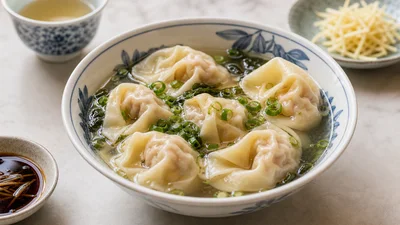
Crab season spreads across the menu. You may see crab roe xiaolongbao, crab roe tofu, crab noodles, or crab with Shanghai rice cakes. That is why hairy crab belongs not only in a seafood category, but also in the larger Shanghai food map.
Traveler Tips
- Confirm price before ordering premium crab roe dishes.
- Expect whole crab to be slow and hands-on.
- Use vinegar and ginger rather than heavy sauces.
- Do not judge the experience by meat quantity alone.
Comments (0)