Shanghai Shengjianbao: Crispy Bottoms, Hot Soup, and Four-Piece Orders
A focused English guide to Shanghai shengjianbao, covering crisp bottoms, hot soup, hunshui and qingshui styles, one-liang four-piece orders, vinegar, and safe eating tips.
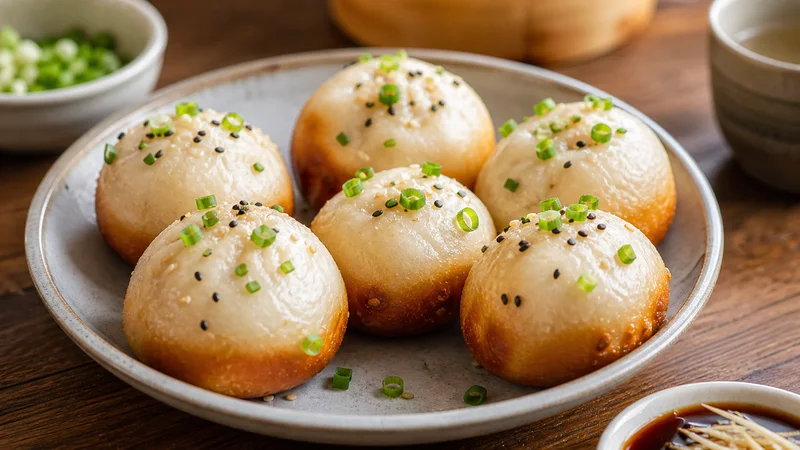
A detailed guide to Shanghai shengjian mantou, the pan-fried buns with crisp bottoms, sesame, scallions, juicy filling, and hot soup inside.
Shengjian mantou, often written as shengjianbao on English menus, are the louder cousin of xiaolongbao. They are pan-fried instead of steamed, thicker instead of delicate, and built around a crisp bottom that should crack slightly before the soft dough and hot filling take over.
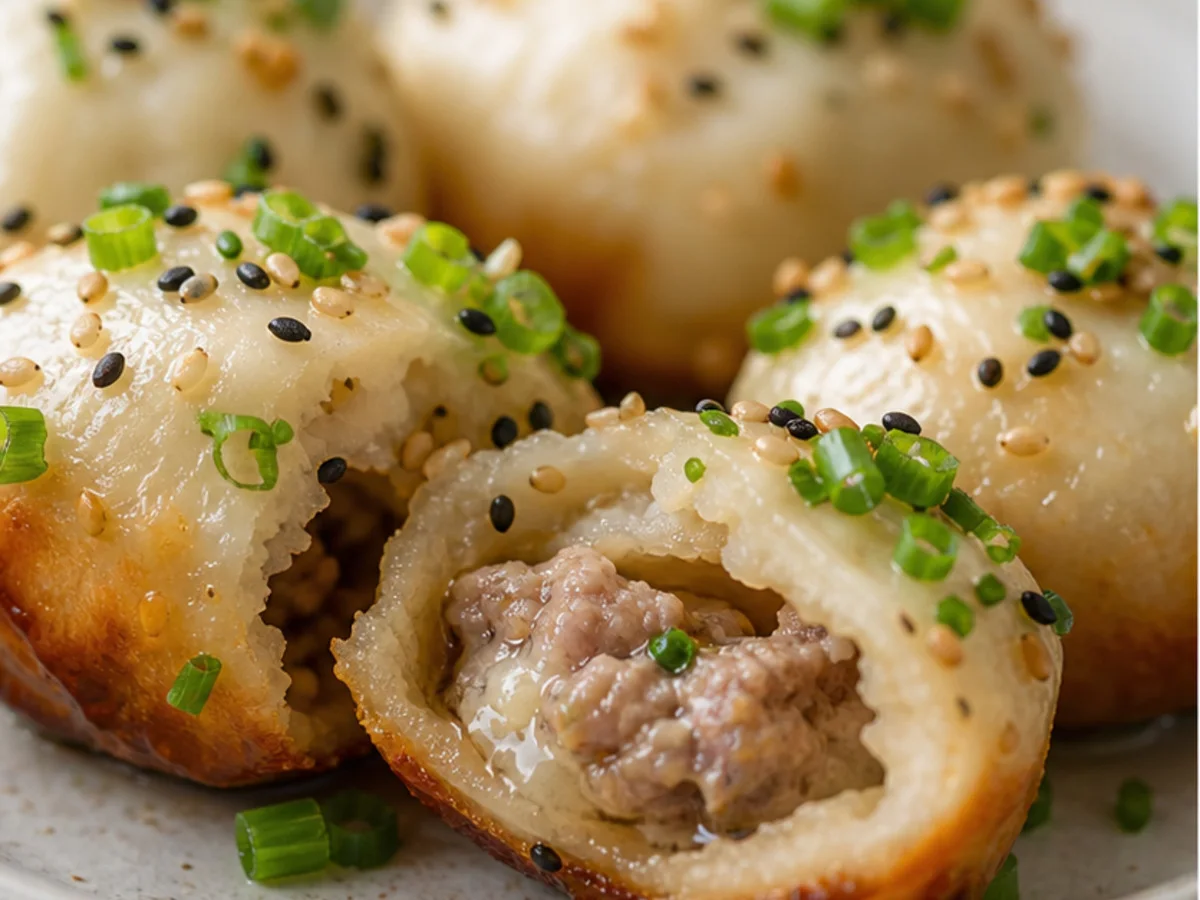
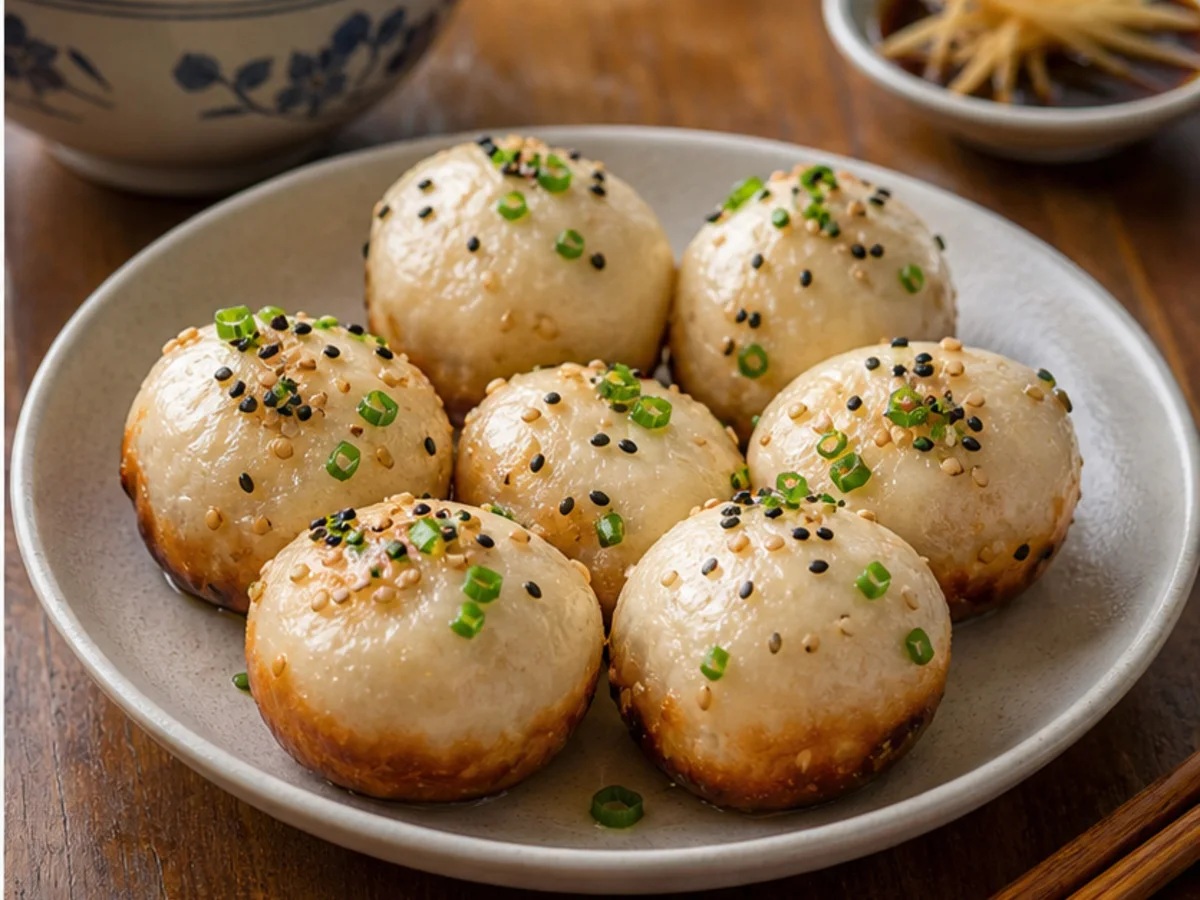
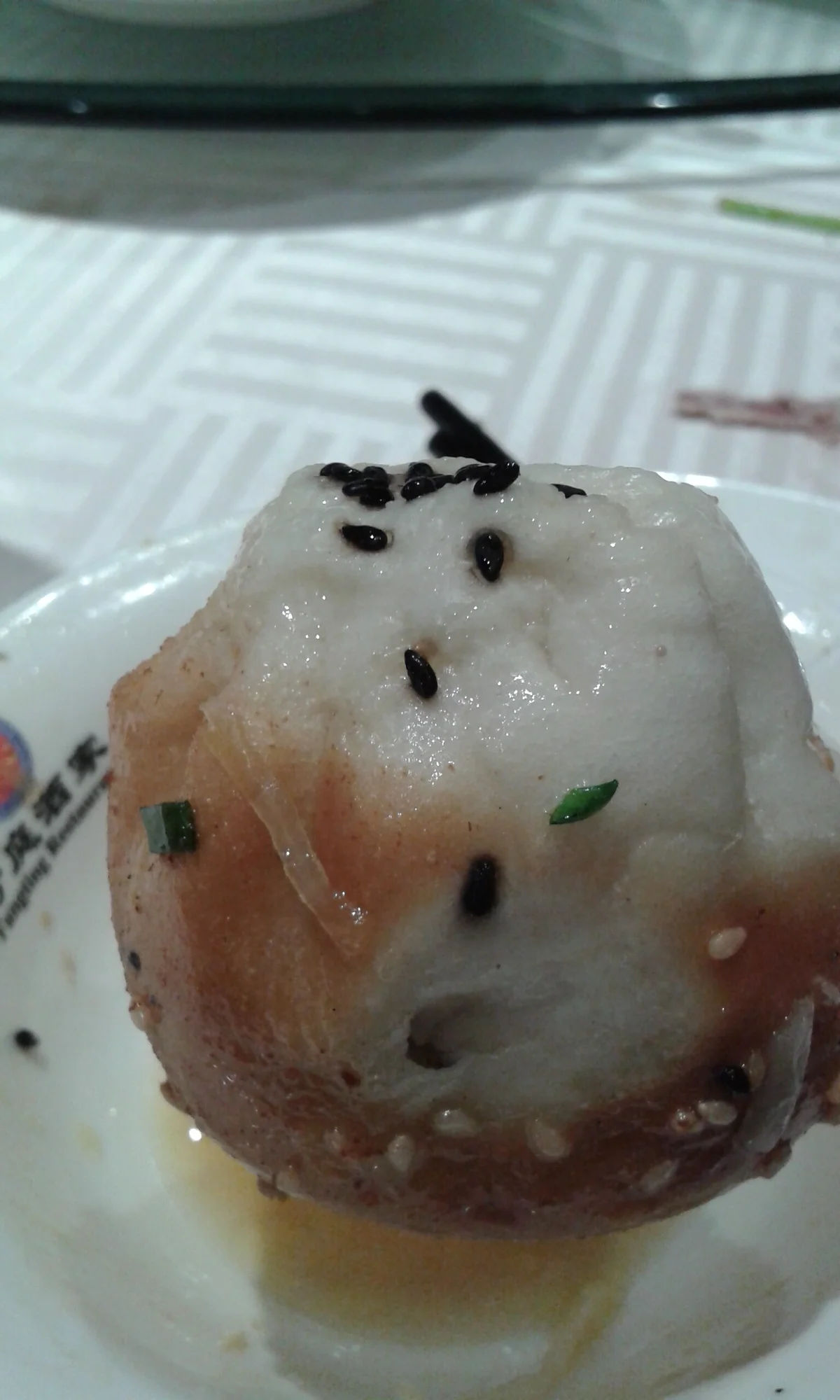
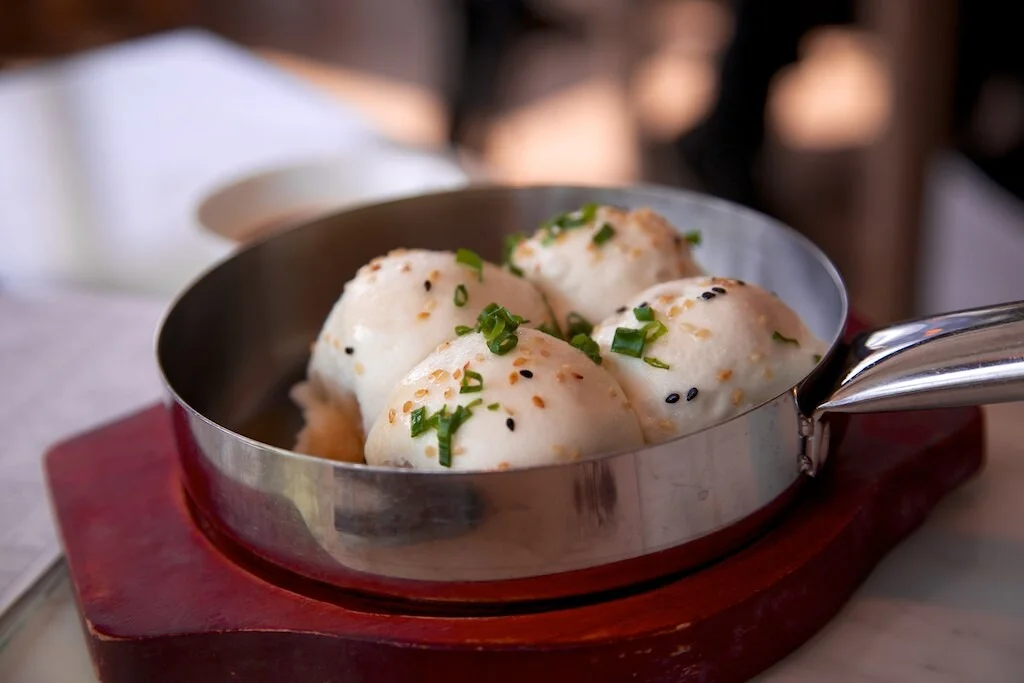
The dish belongs to the rhythm of Shanghai breakfast and quick lunches. You see the best clues at the pan: buns packed closely together, sesame and scallions on top, and a browned base that tells you they were cooked in contact with oil rather than simply reheated.
The fried base is the reason to order shengjianbao. A good bun moves from crisp to soft to juicy in one bite. If the bottom is pale, the main texture is missing. If the top is dry and wrinkled, the bun has probably waited too long. The best batches are fresh enough that you need to be careful with the soup inside.
Because both dishes can hold hot broth, visitors often compare shengjianbao with xiaolongbao. The difference is useful: xiaolongbao are about thin wrappers and precision, while shengjianbao are about contrast, heat, and a more filling breakfast texture.
Treat the bun like a small pressure vessel. Bite a small opening first, let steam out, and control the juice before eating the rest. Some people tilt the bun over a spoon; others nibble from the edge. The wrong move is biting straight into the center while the pan-fried base is still hot.
Shengjianbao can be enough for breakfast, especially with soy milk. If you want a broader Shanghai breakfast route, do not stack every heavy item into one meal. Try shengjianbao one morning, wontons another morning, and cifan tuan when you need something portable.
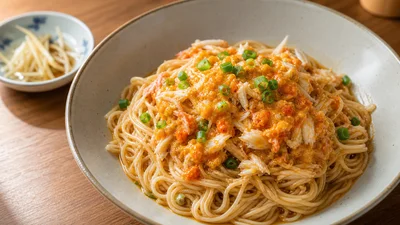
Shanghai crab roe noodles are rich seasonal noodles topped with crab roe and crab meat, usually ordered for c…
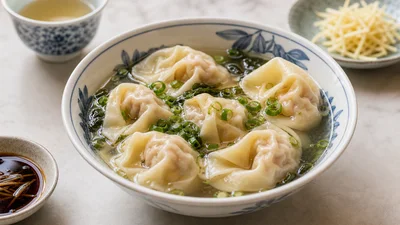
Shanghai wonton soup with soft wrappers, pork and vegetable filling, clear broth, egg strips, seaweed, scalli…
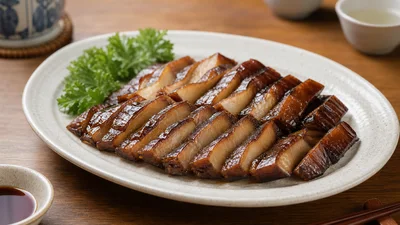
Shanghai smoked fish, or xun yu, is usually fried fish slices soaked in a dark sweet-savory sauce and served…
Comments (0)