Shanghai scallion oil noodles are often best when they stay simple. A plain bowl of cong you ban mian can show whether the shop understands fried scallion oil, soy sauce balance, and noodle texture. Extra toppings can help, but they can also cover the reason people order the dish.
This guide builds on the basic scallion oil noodles guide and the aroma and sauce guide. It focuses on ordering choices: when to keep the bowl plain, when to add a topping, how to mix it, and what side dishes make the meal feel complete.
Start With the Plain Bowl
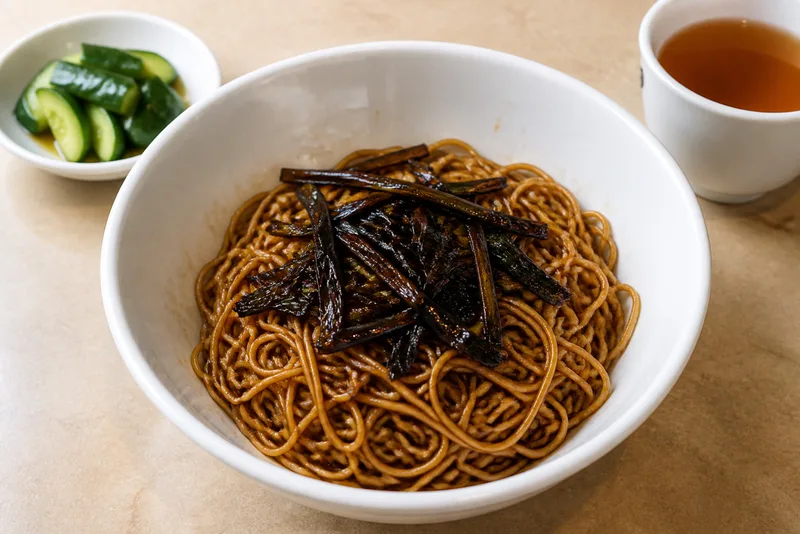
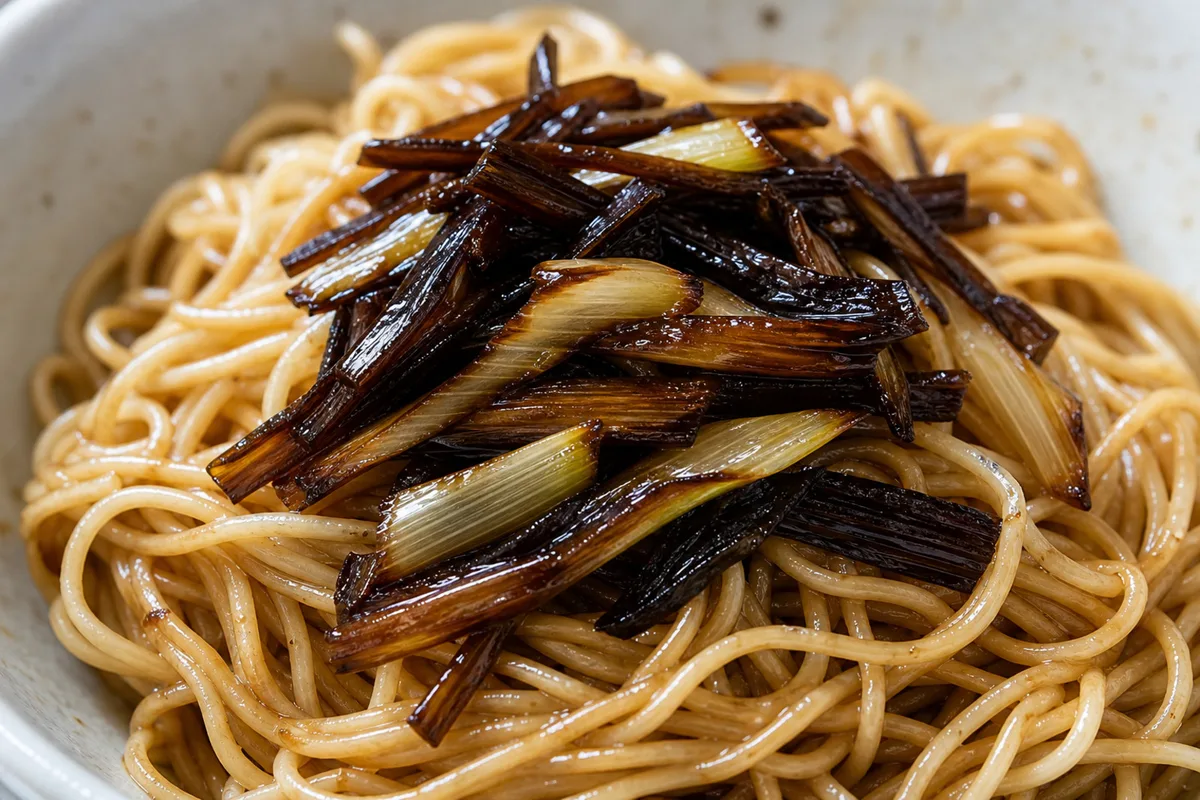
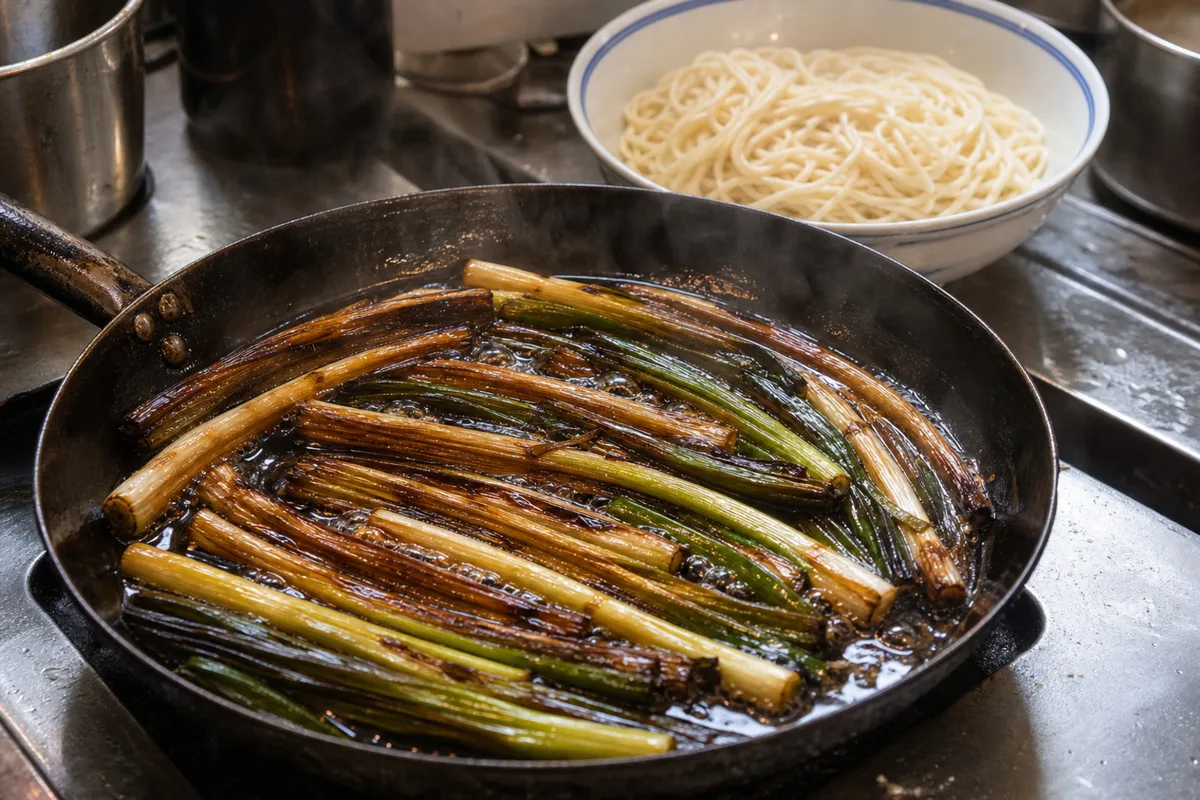
If you have never tried the dish before, start plain. The first test is not how much food is on top, but whether the noodles carry a deep scallion aroma after mixing. The fried scallions should taste toasted and savory, not raw, bitter, or burnt.
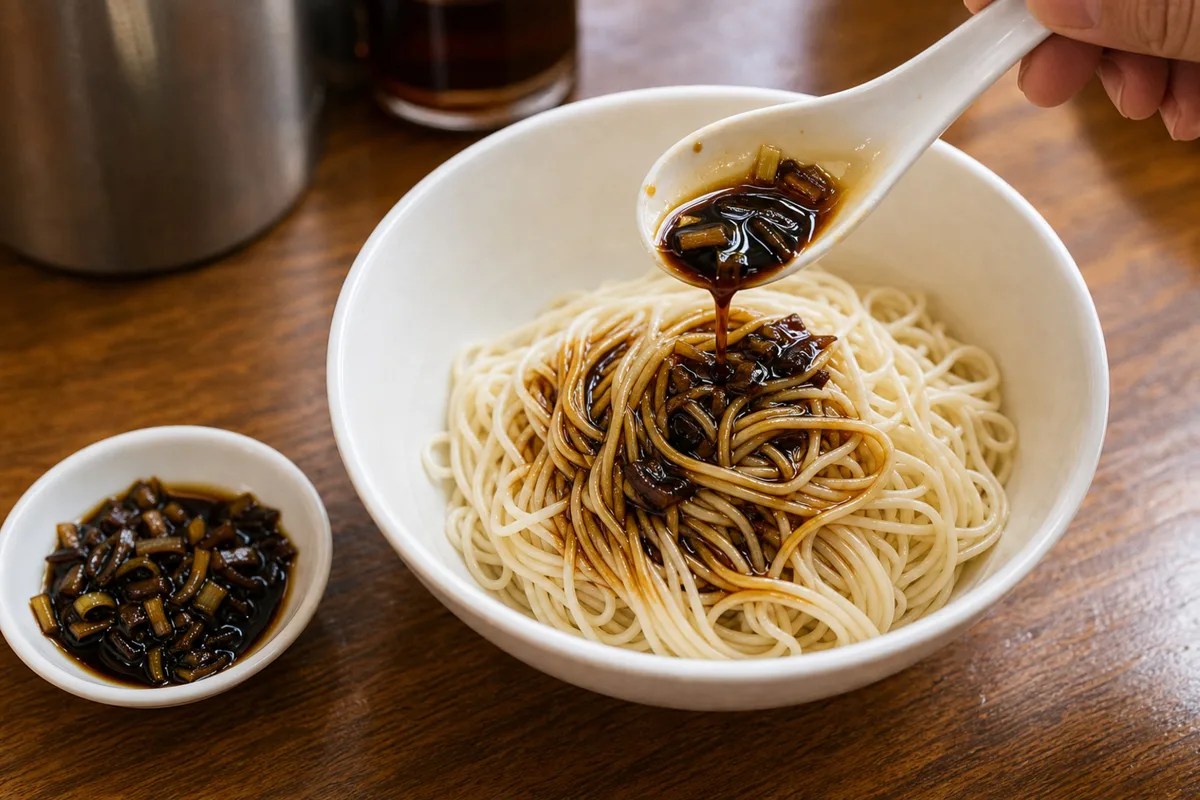
A plain bowl also shows sauce control. The noodles should look glossy, but the bottom of the bowl should not be flooded with dark liquid. If the sauce pools heavily, the last bites can become salty and flat.
When Toppings Make Sense
Toppings work best when they add contrast without burying the scallion oil. A simple fried egg, a small portion of pork chop, or a mild side can turn the bowl into a fuller meal. Strong toppings with heavy sauce can make the noodles taste like a different dish.
If a shop offers many toppings, look for the ones served on the side or placed neatly rather than mixed into a wet sauce. Scallion oil noodles need space to stay fragrant.
How to Mix the Bowl
Do not judge scallion oil noodles before mixing. Pull the noodles up from the bottom, fold the sauce through the strands, and let the fried scallions move through the bowl. The first mixed bite should be aromatic but not greasy.
If the noodles clump, loosen them gently rather than adding too much extra sauce. If the shop gives more scallion oil on the side, add it slowly. More oil is not always better; the dish should stay dry-tossed, not oily.
Good Side Dishes
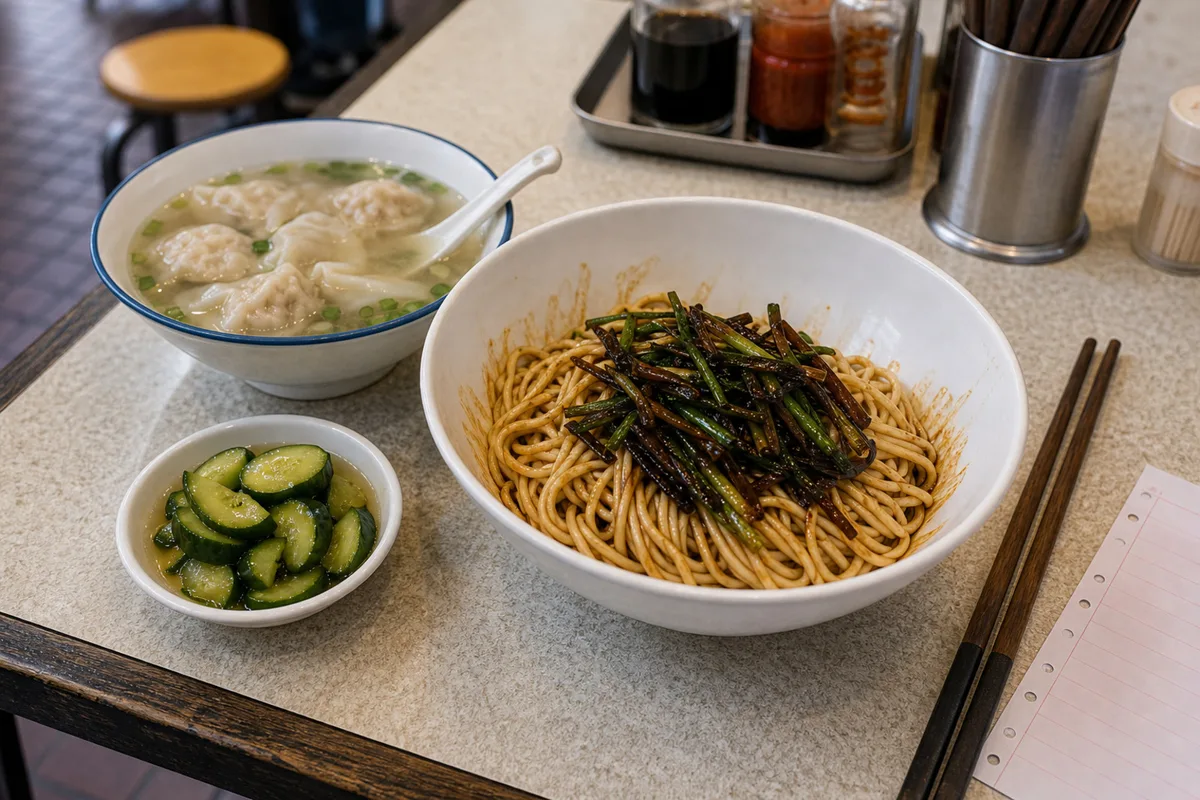
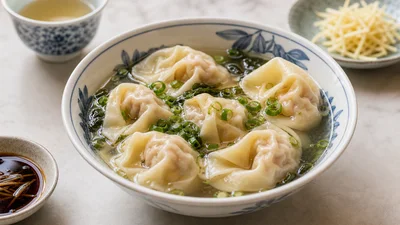
Small cold dishes work well because they cut the oil without competing with it. Cucumber, greens, or a light pickled side can make the meal easier to finish. A bowl of wonton soup also works when you want broth beside dry noodles.
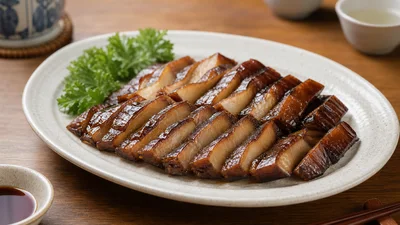
For a heavier meal, avoid pairing scallion oil noodles with too many sweet-sauced dishes. Hong shao rou can be excellent, but it usually wants rice more than another soy-rich noodle bowl.
How It Differs From Richer Noodles
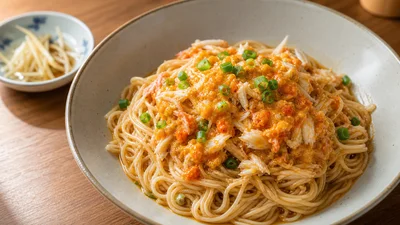
Scallion oil noodles are not meant to feel luxurious like crab roe noodles. Crab roe noodles depend on a rich seasonal topping. Scallion oil noodles depend on controlled fragrance and a clean soy-scallion coating.
They are also different from cold noodles. Shanghai cold noodles are about sesame paste, vinegar, and summer texture; scallion oil noodles are warm, aromatic, and built around fried scallions.
Ordering Clues in a Noodle Shop
A useful sign is quick turnover. If many people order the same bowl, the noodles are less likely to sit too long. The fried scallions should look dark and cooked, but not dusty or blackened.
Ask for the plain bowl first if you are comparing shops. Once you know the base flavor, toppings and side dishes become easier to judge. A strong shop can make the simplest bowl feel complete.
Common Ordering Mistakes
- Adding a heavy topping before tasting the plain scallion oil base.
- Judging the bowl before mixing the sauce through the noodles.
- Choosing a wet topping that hides the fried scallion aroma.
- Adding too much extra sauce or oil and turning the bowl greasy.
- Pairing the noodles with too many other soy-rich dishes at the same meal.
Comments (0)