Shanghai hairy crab is a slow food even when the serving looks small. A steamed crab asks you to open the shell, taste the roe, pull meat from the legs, use ginger vinegar carefully, and keep the meal from becoming only a pile of shells.
This guide builds on the Shanghai hairy crab season guide and the Liuyuehuang guide. Instead of focusing on season alone, it explains the eating process: tools, ginger vinegar, table pace, pairings, and the mistakes that make crab feel more difficult than it needs to be.
Start With the Whole Crab
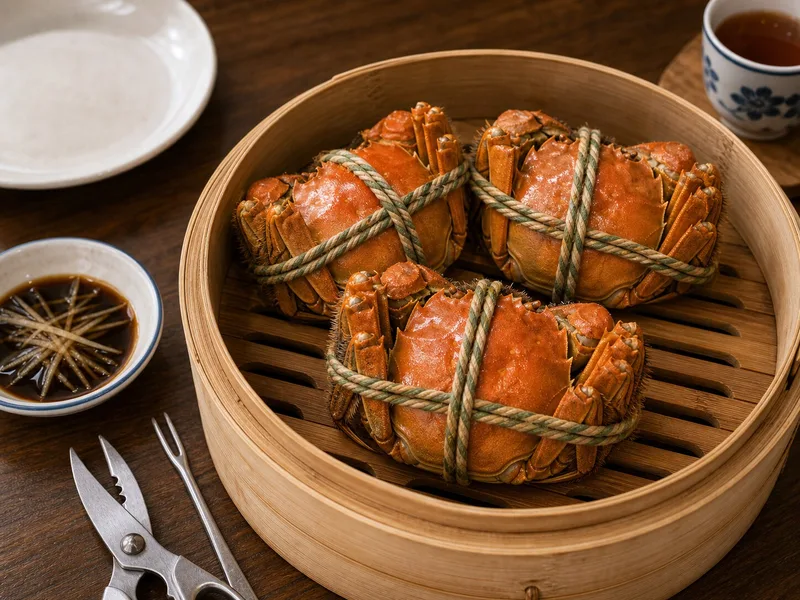
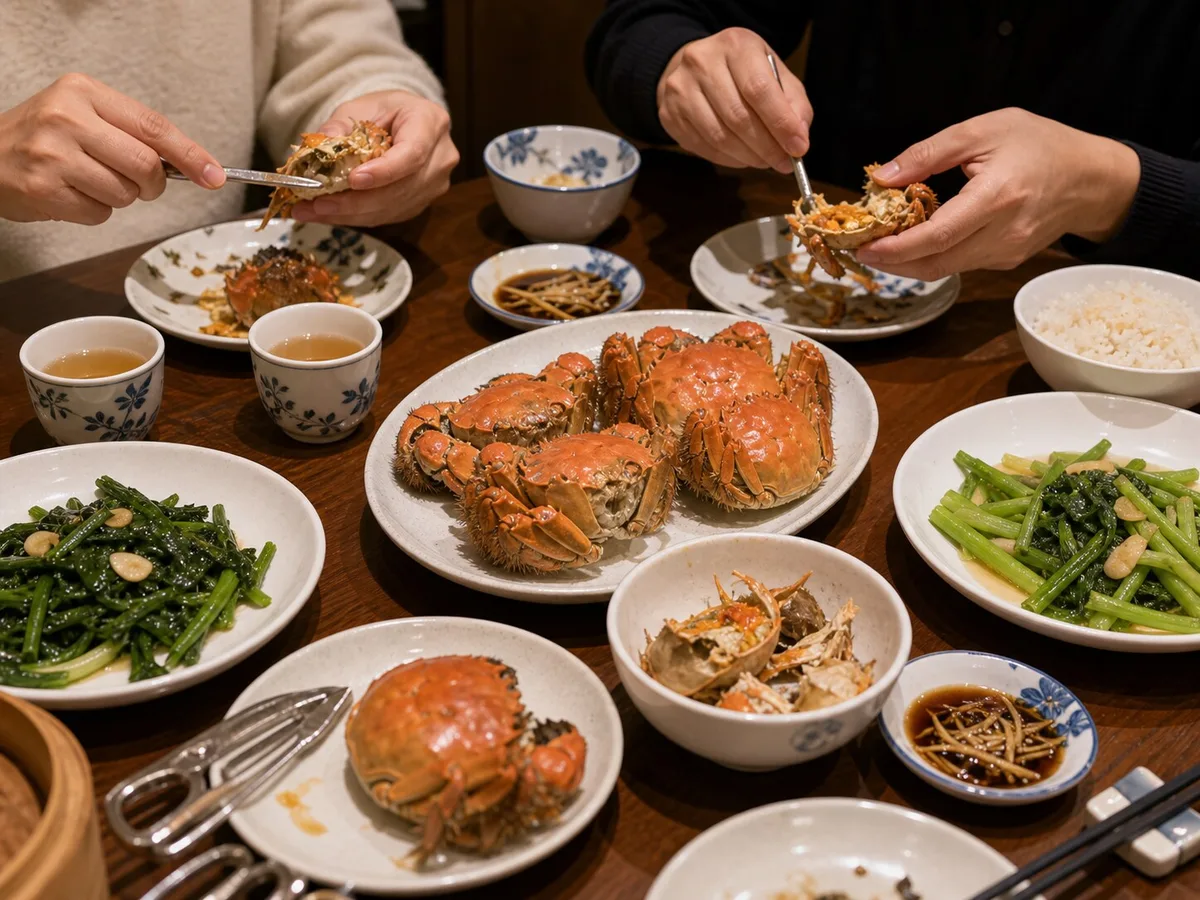
A steamed hairy crab usually arrives tied, orange-brown, and fragrant from the steamer. The string keeps the legs in place during cooking; it is removed at the table or before serving. Before adding vinegar, look at the shell, legs, and body so you know what you are eating.
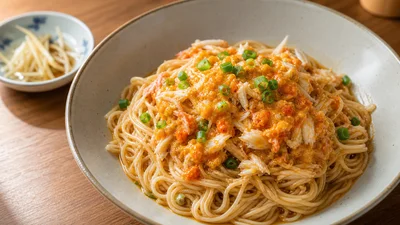
The best first impression is clean and sweet, not aggressively sauced. If you want the full ritual, choose steamed crab. If you want the flavor with less work, crab roe noodles are easier because the crab has already been picked for you.
What the Tools Are For
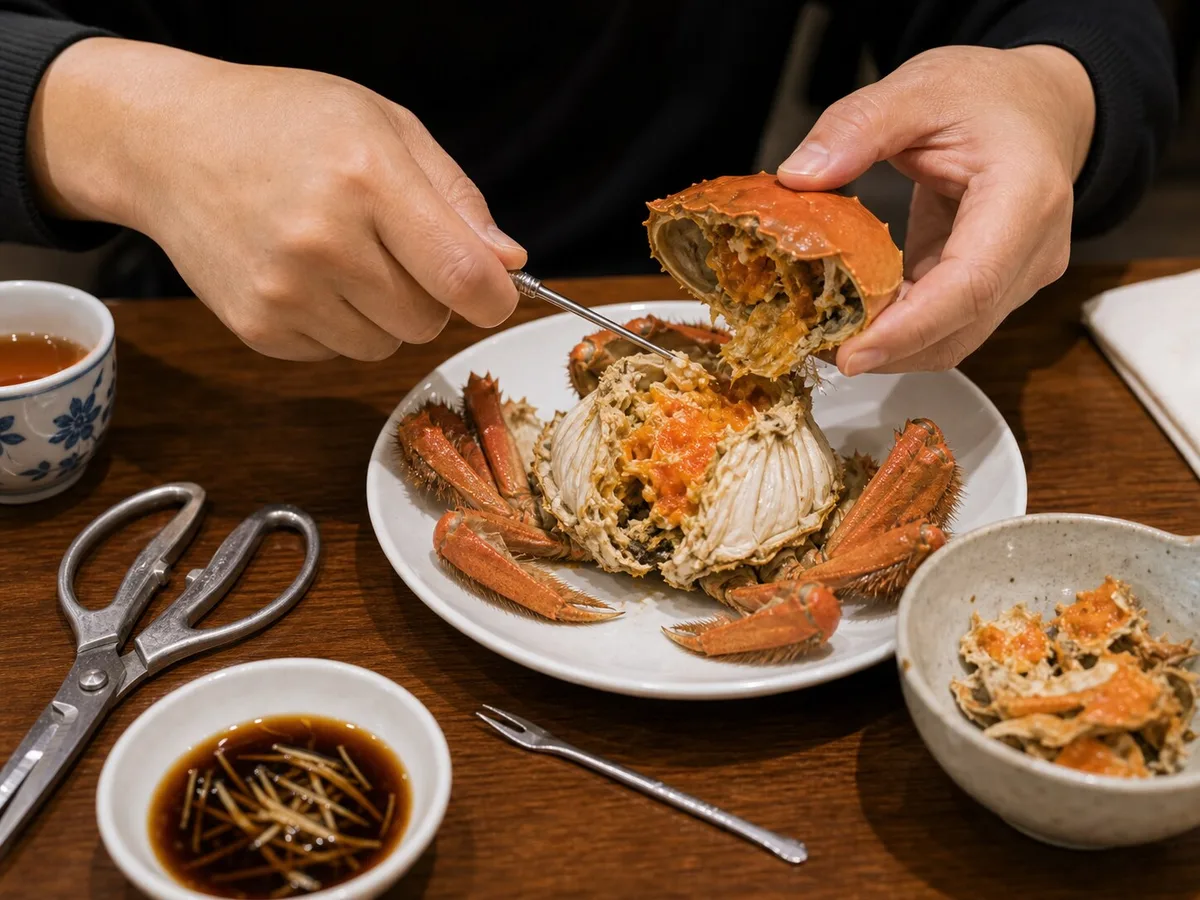
Restaurants may give you small scissors, a crab fork, a pick, or a narrow spoon. These tools are not decoration. They help open leg sections, lift meat from tight spaces, and keep the roe and body meat from turning into a mess.
Use the tools slowly. Break the legs too quickly and you lose meat inside the shell. Dig too hard into the body and the roe blends with shell fragments. Good crab eating is patient, not forceful.
How to Use Ginger Vinegar
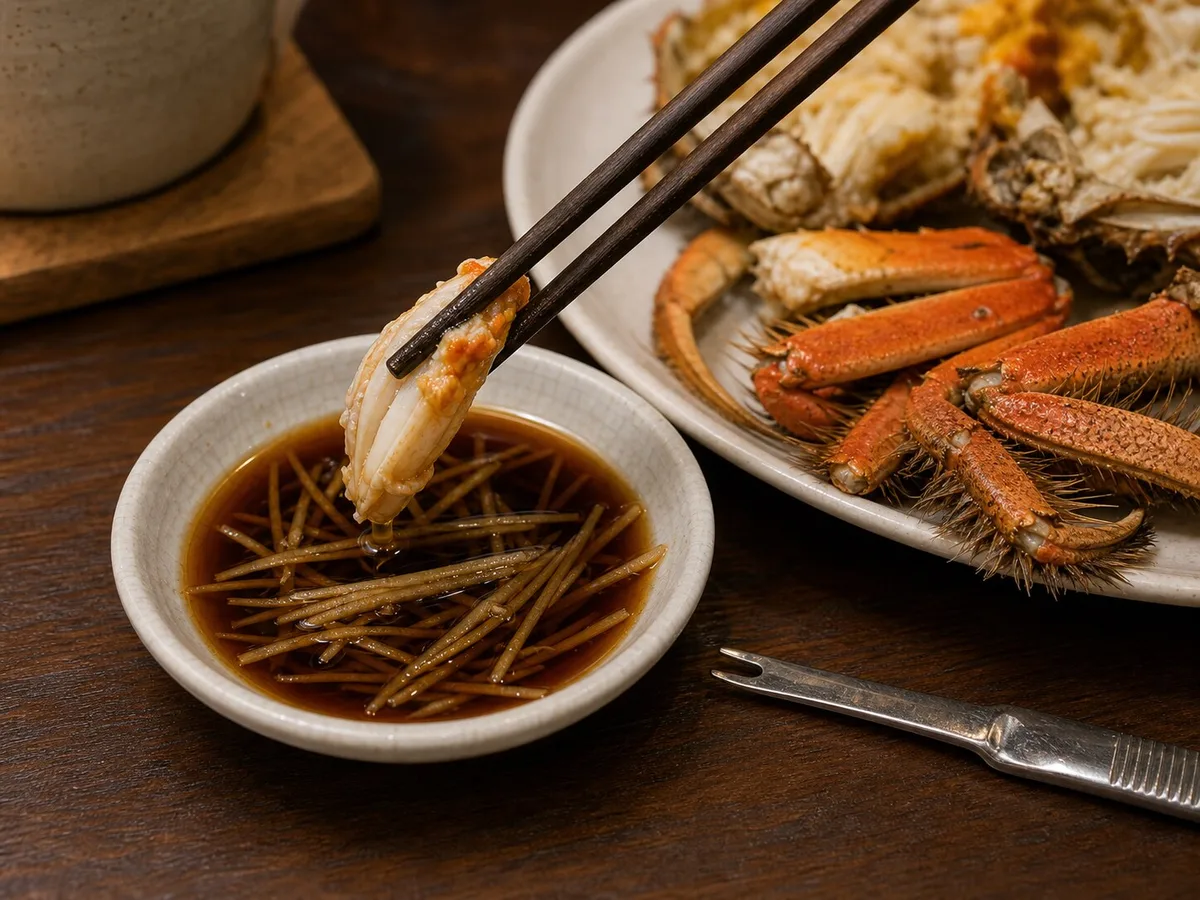
Ginger vinegar is the classic partner because it cuts richness and warms the flavor. The ginger should be fine enough to cling lightly to crab meat, while the vinegar should brighten the bite without covering the crab's sweetness.
Start with less than you think. Taste a piece of crab first, then dip a small amount. If every bite tastes mostly sour, the vinegar is doing too much. This is especially important with roe, where the point is richness and depth.
Roe, Meat, and Pace
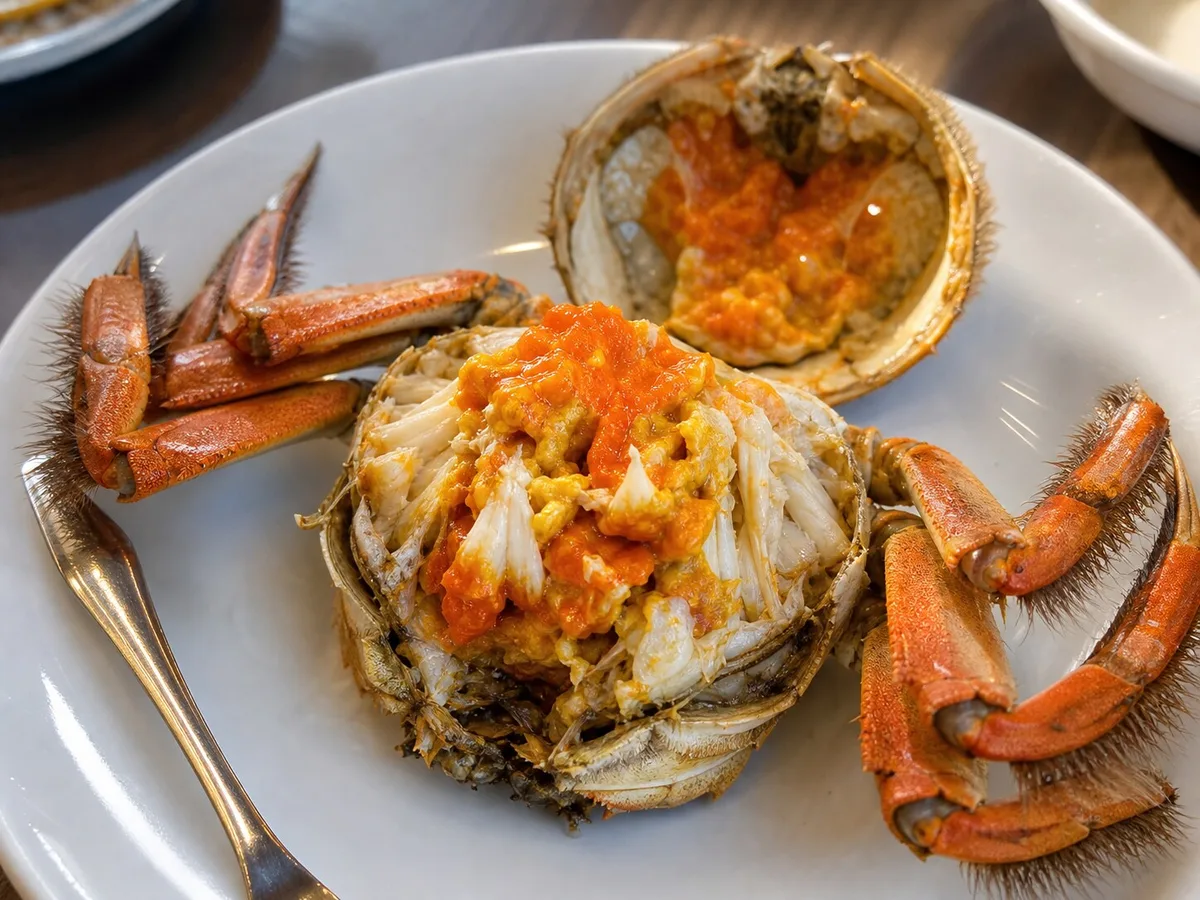
The roe is the most famous part, but do not rush straight through it. Taste the roe, then move to body meat and legs so the meal has rhythm. The body gives sweetness, the legs give a cleaner meat texture, and the roe gives the rich seasonal center.
One crab can take time. That is normal. Hairy crab is not a quick dish like cold noodles or a simple breakfast snack. It works best when the table is willing to slow down.
What to Eat Around Hairy Crab
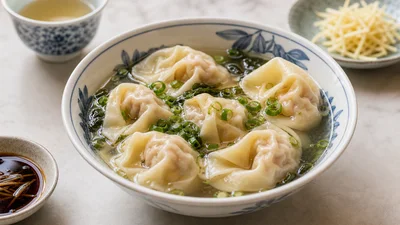
Because crab is rich and detailed, the rest of the meal should help rather than compete. Plain rice, light greens, clear soup, or a modest noodle dish can make the crab easier to enjoy.
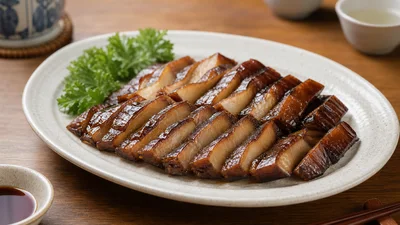
Be careful with very glossy sweet-savory dishes. Hong shao rou is excellent, but pairing it with a full crab order can make the table feel heavy. If you want another Shanghai flavor, a small cold dish such as smoked fish may work better than another rich main.
Liuyuehuang Is Different
Early-summer Liuyuehuang young crabs are smaller and softer than mature autumn hairy crabs. They can be easier to share, especially when cut or stir-fried, but they do not give the same dense roe experience.
If you order Liuyuehuang, judge it by freshness, tender meat, and light roe rather than expecting peak-season richness. If you order mature autumn crab, give yourself more time and use the tools properly.
Common Mistakes
- Pouring too much ginger vinegar on the crab before tasting it plain.
- Trying to crack everything by force instead of using the small tools.
- Ordering too many rich dishes around crab and losing the seasonal focus.
- Expecting Liuyuehuang to taste like mature autumn hairy crab.
- Rushing the meal and missing the difference between roe, body meat, and leg meat.
Comments (0)