Shanghai crab roe noodles are not a bowl to rush. The topping looks small compared with a whole crab, but it is concentrated: orange roe, pale crab meat, oil, and natural sweetness. The best bowl tastes rich without becoming greasy, and that depends on how the noodles are mixed.
This guide sits beside the basic crab roe noodles guide and the ordering and price guide. Here the focus is the eating process: how to fold the topping through the noodles, when to use ginger vinegar, what texture to expect, and what to order with it.
Why Mixing Matters
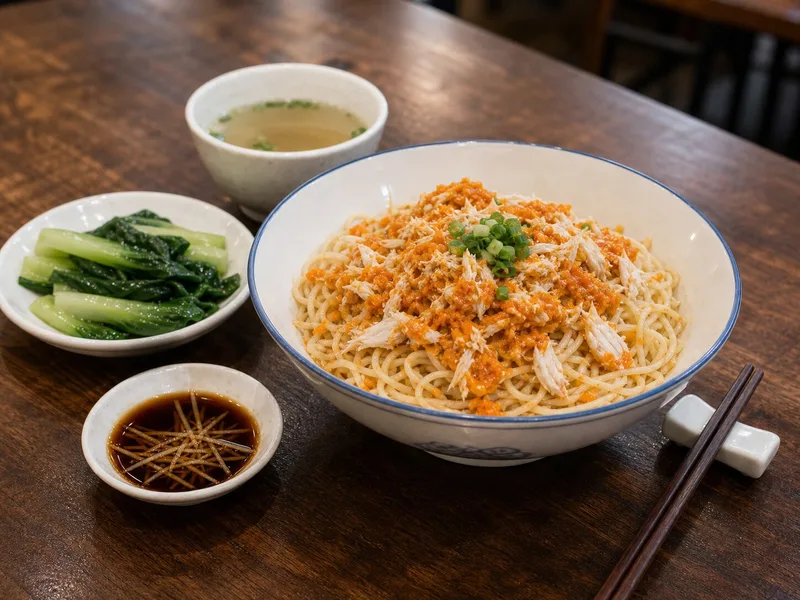
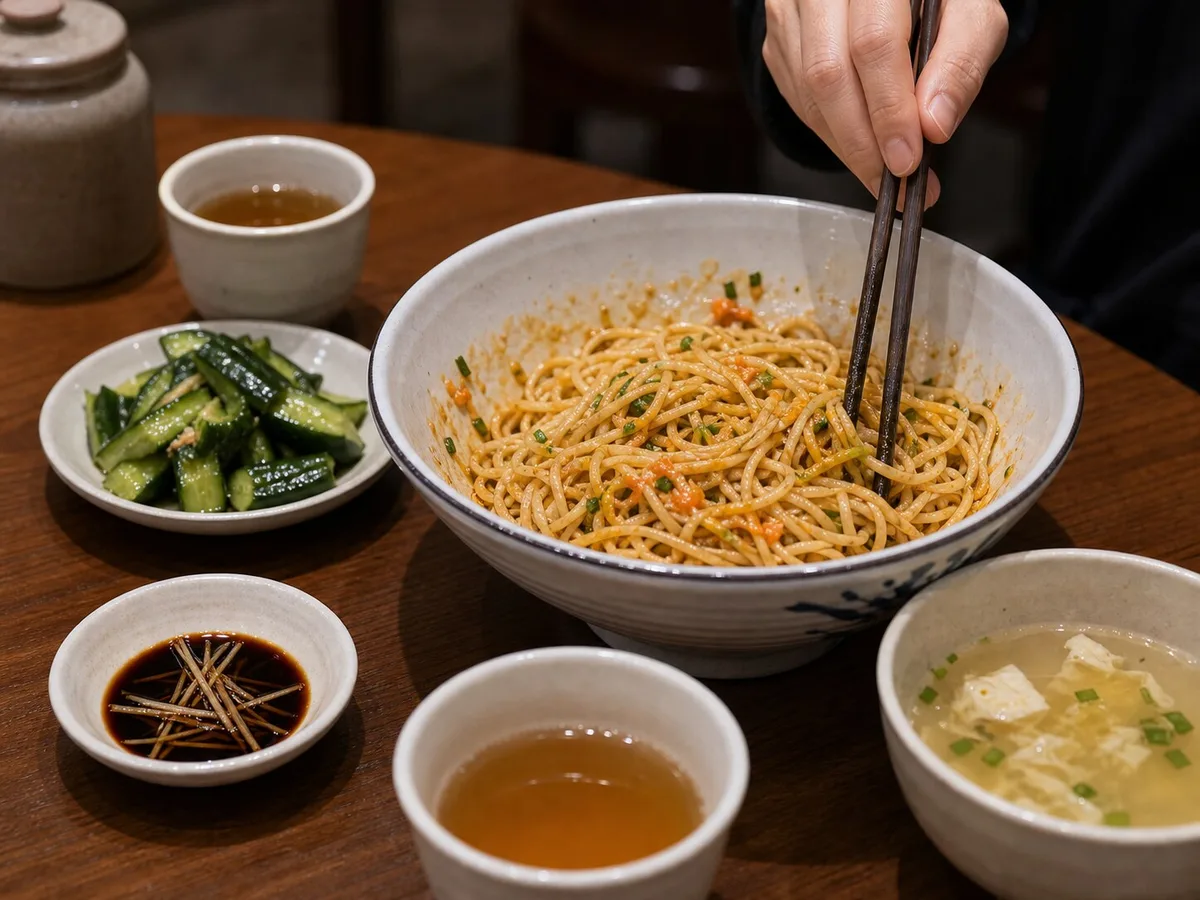
Xiefen mian is usually served as a dry noodle dish, not a soup noodle. The crab roe and crab meat sit on top so you can see what you are getting, but the first few bites should not be only topping and the last few bites only plain noodles.
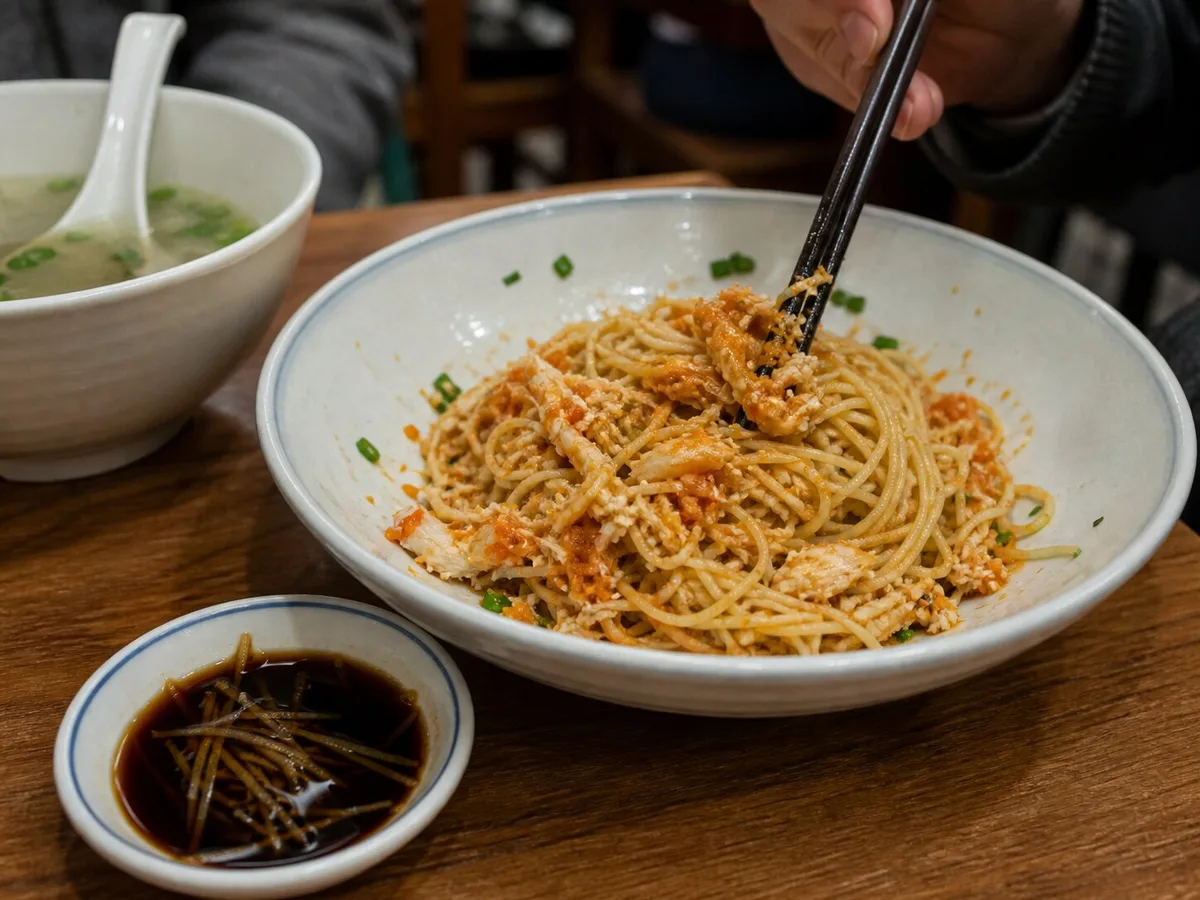
Start by lifting noodles from the bottom and folding them through the crab mixture. Turn the bowl as you go. The motion should be gentle enough to keep the crab meat visible, but thorough enough that the noodles take on a light orange sheen.
What the Topping Should Do
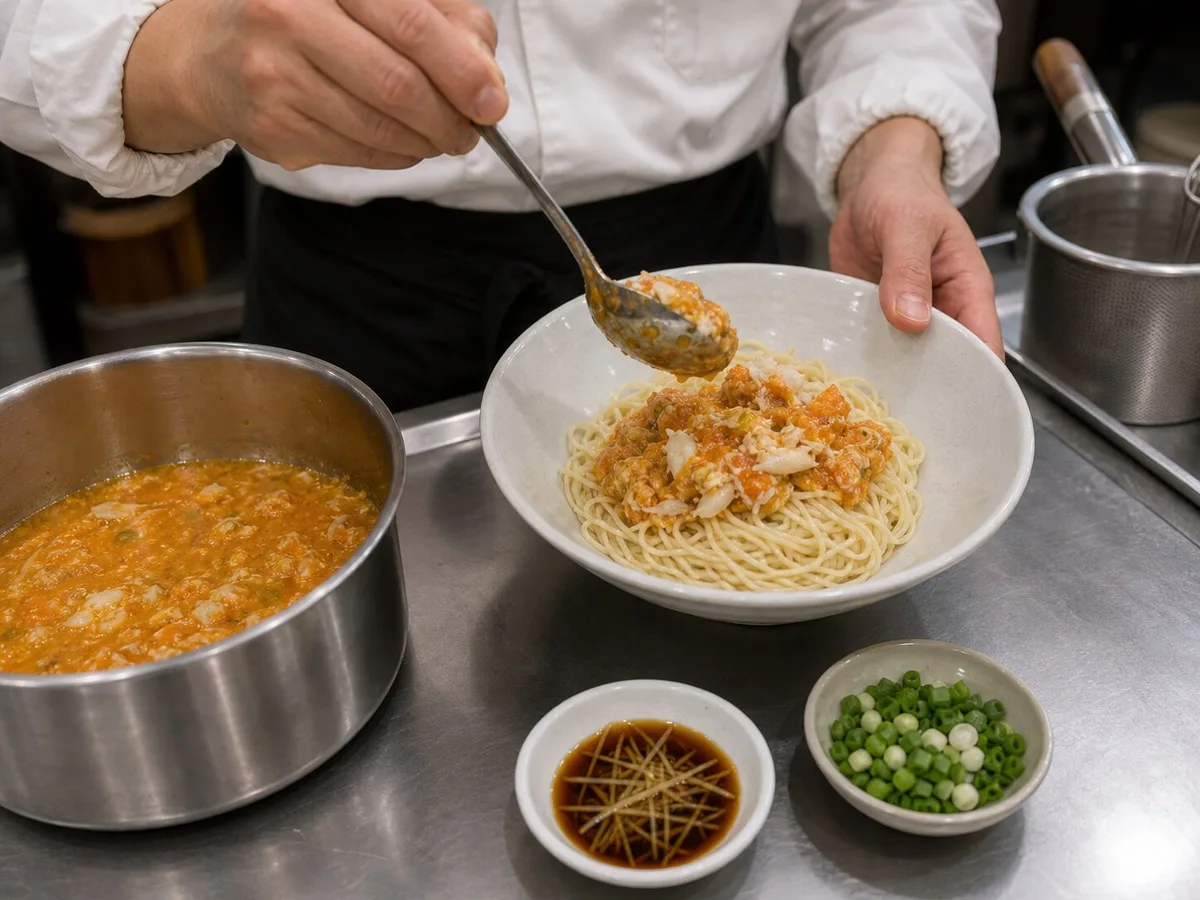
A good crab roe topping clings to the noodles without pooling like soup. You should see orange-gold roe, small pieces of crab meat, and a glossy sauce that coats rather than drowns the bowl. If the topping looks watery, the flavor may feel thin. If it looks too oily, the crab sweetness can disappear behind richness.
Some shops serve a more generous crab meat layer, while others lean into roe aroma. Neither style is automatically better. What matters is whether the topping tastes clean, warm, and crab-forward after it is mixed through the noodles.
How to Use Ginger Vinegar
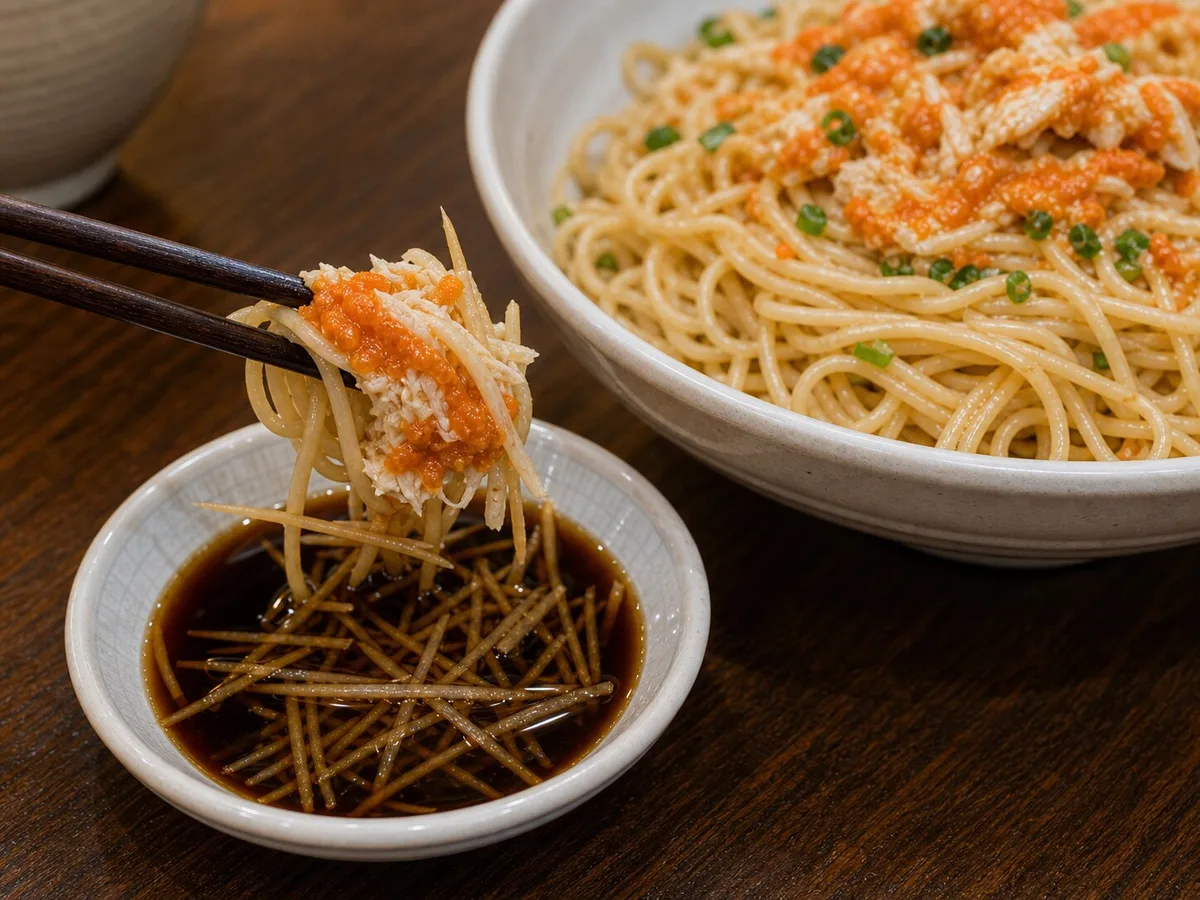
Ginger vinegar is there to brighten the dish, not to turn it sour. Taste the noodles first. If the bowl already has enough lift, keep the vinegar on the side. If the crab roe feels heavy, add a small amount and mix again.
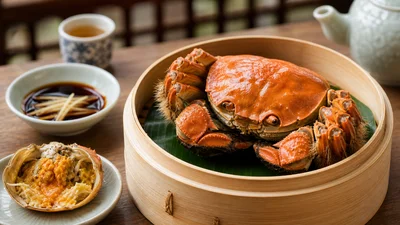
The vinegar should make the next bite feel cleaner. It should not cover the crab flavor or make the noodles taste like a cold appetizer. This is similar to eating hairy crab: ginger and vinegar support the crab, but they should not become the main flavor.
Noodle Texture
The noodles should stay separate enough to lift with chopsticks. They can be soft, but they should not feel mushy or glued together. Because crab roe sauce is rich, even a small texture problem becomes obvious after several bites.
If you like dry Shanghai noodle styles, compare this bowl with scallion oil noodles. Scallion oil noodles are more about aroma and soy sauce, while crab roe noodles are about seafood richness and gentle sweetness.
What to Pair With It
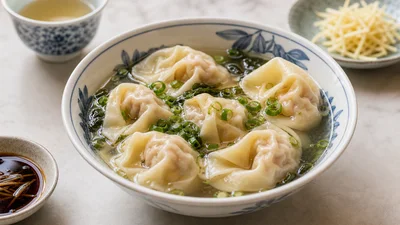
Crab roe noodles work best with lighter sides. A simple green vegetable, clear soup, or a small bowl of Shanghai wontons gives the meal contrast. Ordering too many rich dishes at once can make the crab roe feel less special.
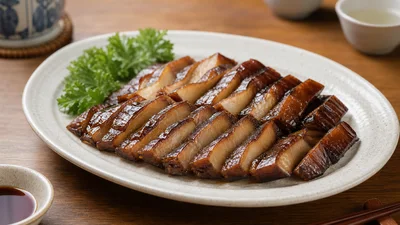
If you are planning a wider Shanghai meal, keep Shanghai rice cakes or hong shao rou for another table, or share them with several people. Crab roe noodles are usually strongest when they are the rich center of the meal, not one heavy dish among many.
Common Mistakes
- Adding ginger vinegar before tasting the original crab roe flavor.
- Stirring so hard that the crab meat disappears into the noodles.
- Expecting a huge portion instead of a concentrated seasonal topping.
- Choosing too many other rich dishes beside it.
- Letting the bowl sit too long after mixing, which dulls the texture.
Comments (0)