Shanghai Cold Noodles Sauce and Toppings: How Liang Mian Gets Its Flavor
A focused English guide to Shanghai cold noodles sauce and toppings, covering sesame-peanut balance, vinegar, cucumber, bean sprouts, chili oil, and mixing texture.
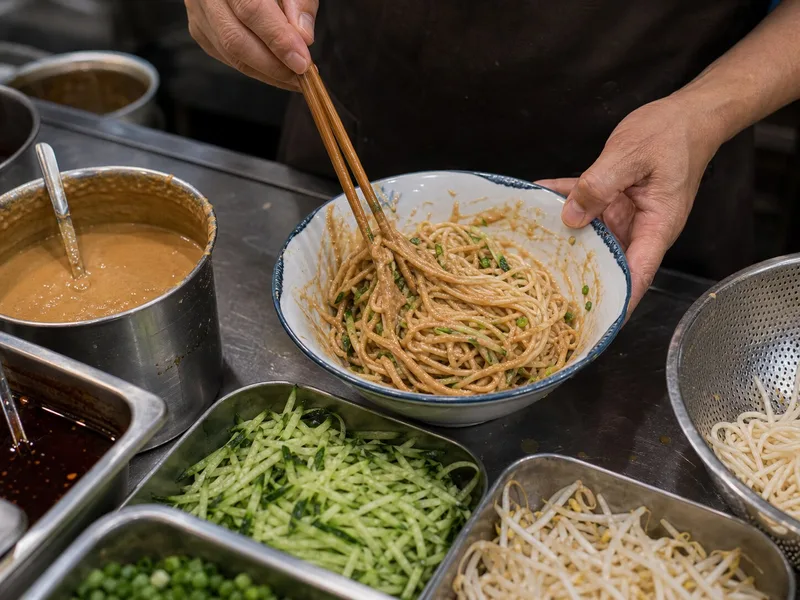
A practical English guide to Shanghai cold noodles for summer takeaway, including sauce separation, mixing timing, cucumber and bean sprouts, texture clues, chili oil, vinegar, an…
Shanghai cold noodles are forgiving only up to a point. A good bowl can be refreshing, nutty, and easy to eat in hot weather. A tired bowl can turn sticky, heavy, and uneven because the sauce sits in one place while the noodles clump together.
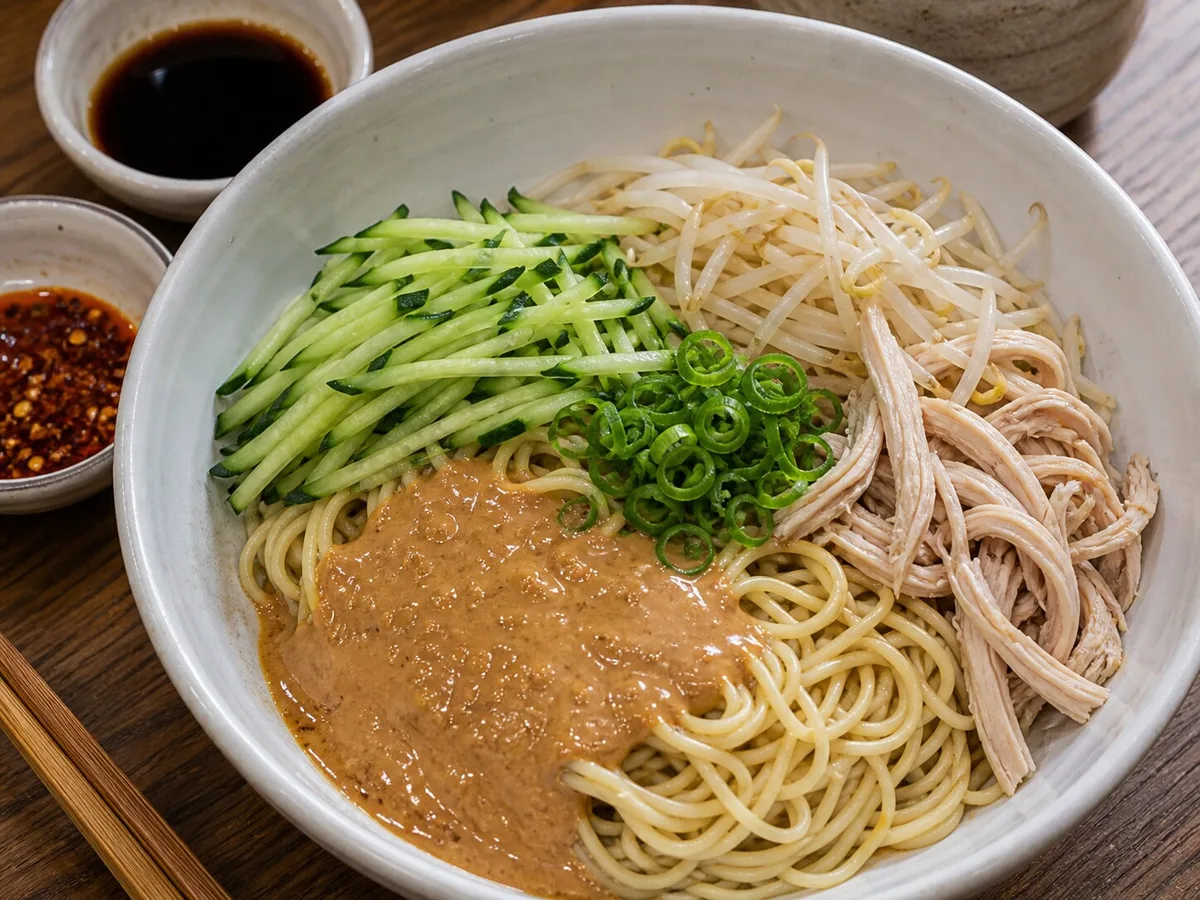
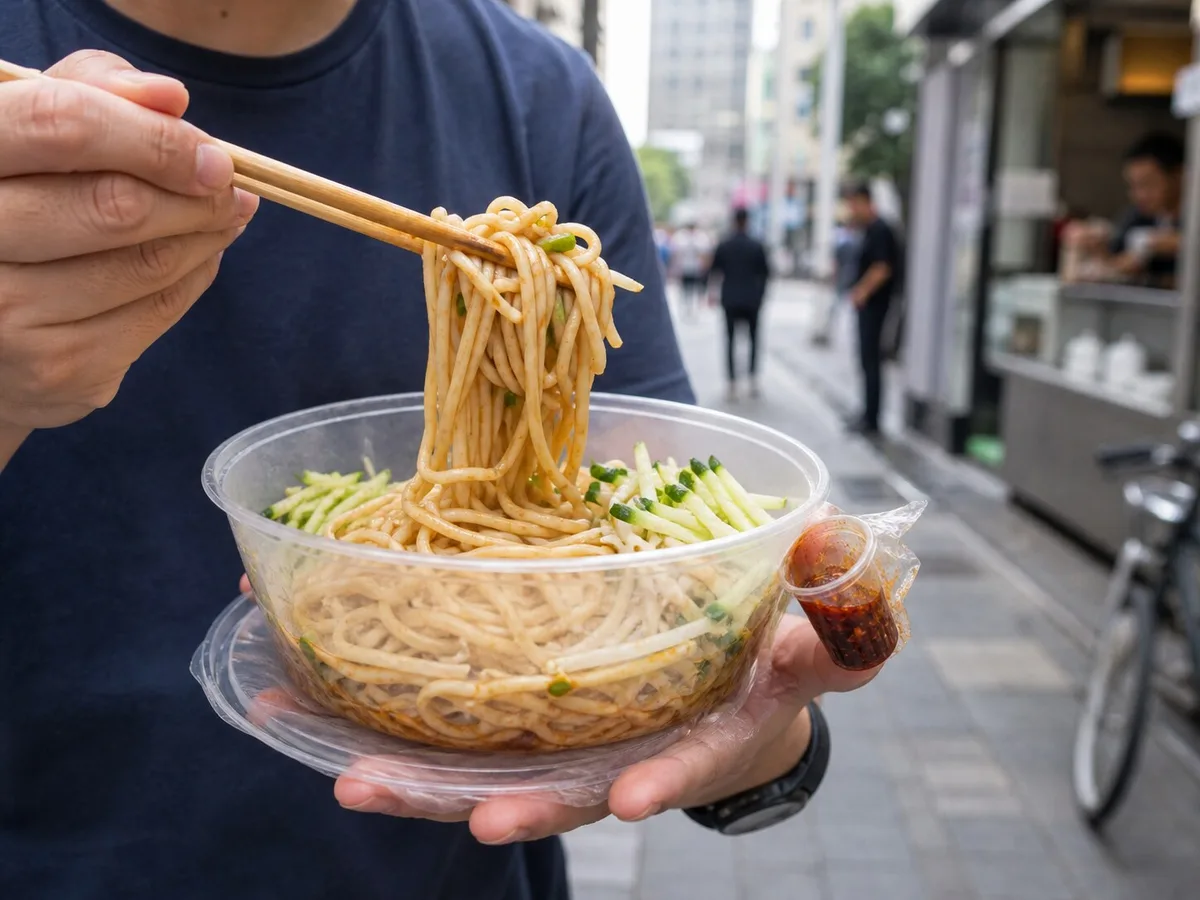
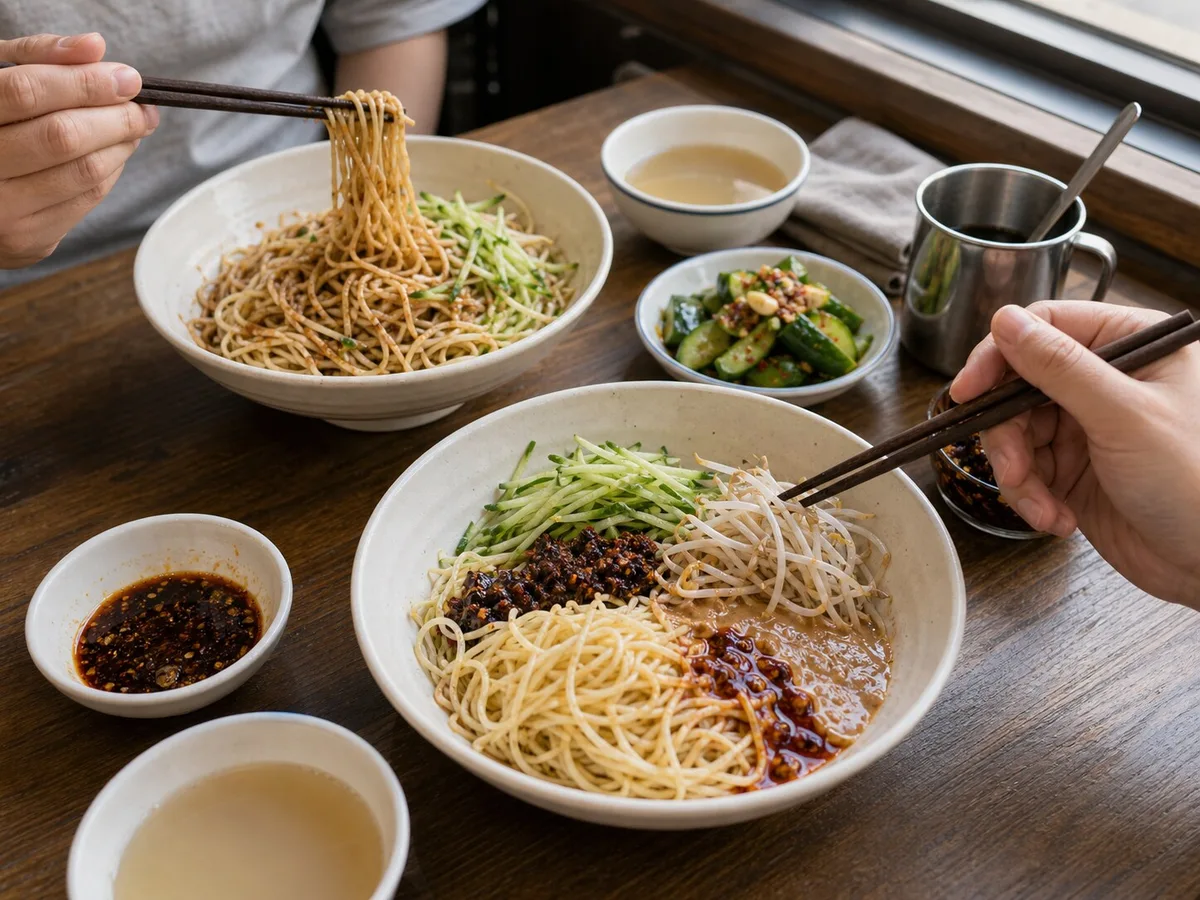
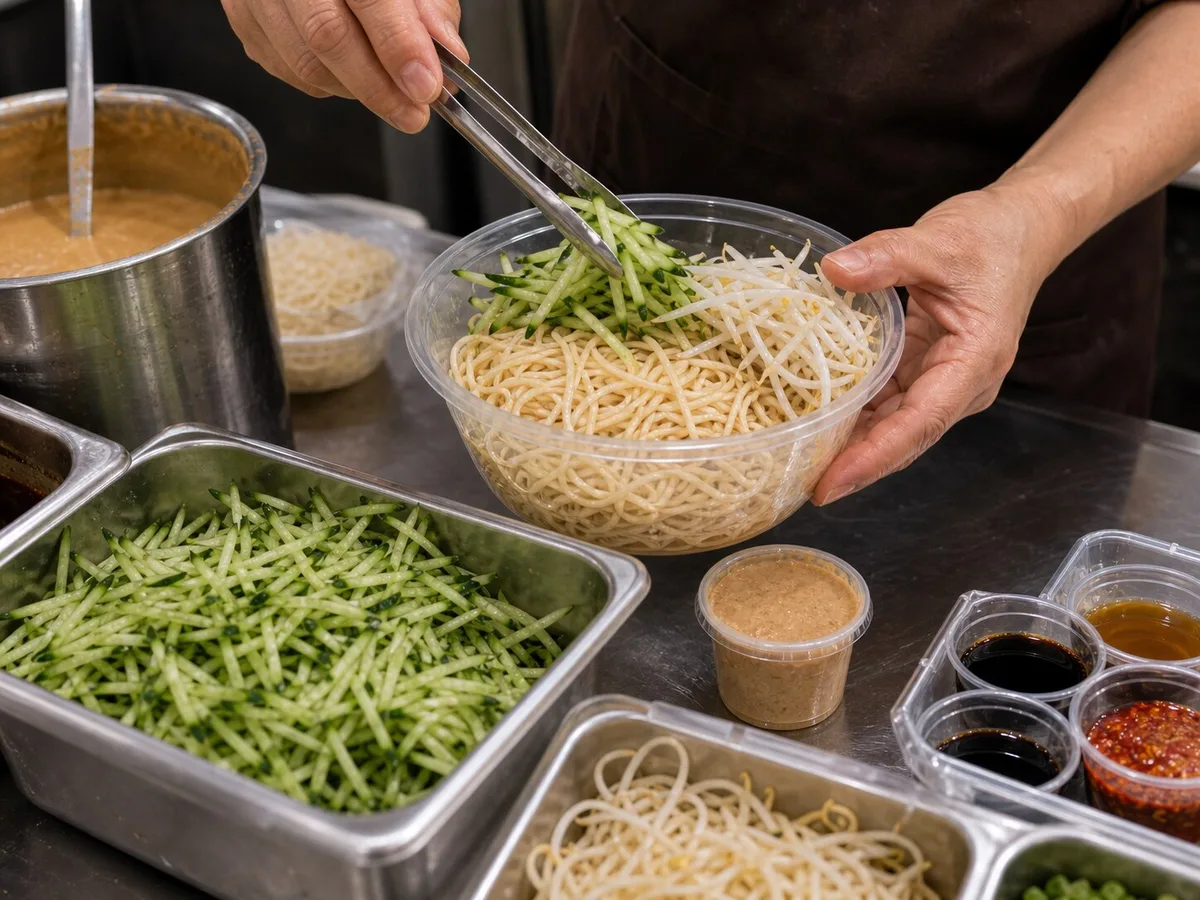
This guide builds on the basic cold noodles guide and the sauce and toppings guide. Here the focus is practical: takeaway, sauce separation, mixing order, texture, and how to keep liang mian from becoming a dense sesame-coated block.
Cold noodles are one of the easier Shanghai noodle dishes to take away, but they still have a timing problem. If the sauce is already fully mixed and the bowl sits too long, the noodles can absorb moisture and lose their bounce.
For takeaway, a good shop may keep sauce partly separate or pack chili oil and vinegar on the side. That is useful, not inconvenient. It lets you mix the bowl closer to eating time and control how rich or sharp the sauce becomes.
Look at the noodles first. They should be loose enough to lift, not pressed into one solid lump. Cucumber and bean sprouts should look fresh and crisp. Sesame-peanut sauce should look creamy but not so thick that it sits like paste.
If the toppings are already buried under a heavy sauce layer, mix gently and taste before adding more chili oil or vinegar. The goal is even coating, not maximum sauce.
Start from the bottom and lift the noodles through the sauce. Turn the bowl as you mix so the cucumber, bean sprouts, and sauce spread evenly. If the shop gives sauce on the side, add part of it first, mix, then decide whether the rest is needed.
Do not stir as if you are making soup. Liang mian is a dry-tossed noodle dish. The sauce should cling to the strands while the toppings still feel separate enough to give texture.
Vinegar keeps the sesame sauce from feeling flat. Chili oil adds aroma and heat, but too much can hide the nutty sauce and make the bowl feel oily. Add both gradually, especially if you are new to the dish.
A balanced bowl tastes nutty first, then fresh from cucumber and bean sprouts, then lightly sharp or spicy if you added vinegar or chili. If the first impression is only oil, the bowl is out of balance.
Cold noodles are best soon after purchase. They do not collapse instantly, but the texture changes as the sauce sits. If you need to carry them, keep the bowl level, keep extra sauce separate, and mix just before eating.
In summer, do not leave the bowl in direct heat. Liang mian is a practical food, but it is still a prepared noodle dish with sauce and vegetables. Treat it like something meant for the same meal, not a snack to save for hours.
Because cold noodles are sauce-driven, pair them with something clean. A light vegetable side, cucumber, or a simple broth works better than another heavy dry noodle order.
If you want a warmer contrast, Shanghai wontons bring broth and soft wrappers. If you want to compare dry noodle styles, save scallion oil noodles for another meal. If you are building a hot-day route, cold noodles can sit between richer dishes such as hong shao rou or seasonal crab.
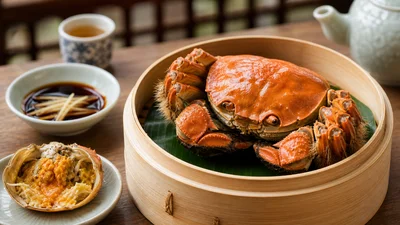
Shanghai hairy crab is a seasonal crab specialty served with ginger vinegar and small tools, with autumn matu…
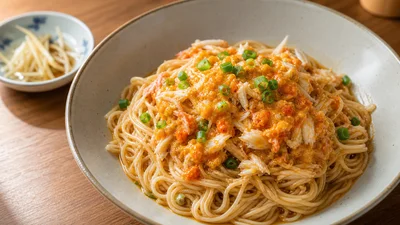
Shanghai crab roe noodles are rich seasonal noodles topped with crab roe and crab meat, usually ordered for c…
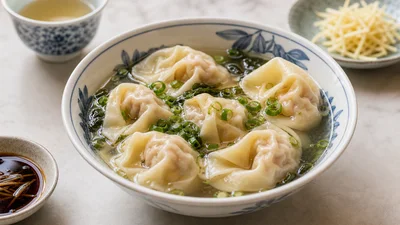
Shanghai wontons are soft folded dumplings served in clear broth, from tiny breakfast wontons to larger pork…
Comments (0)