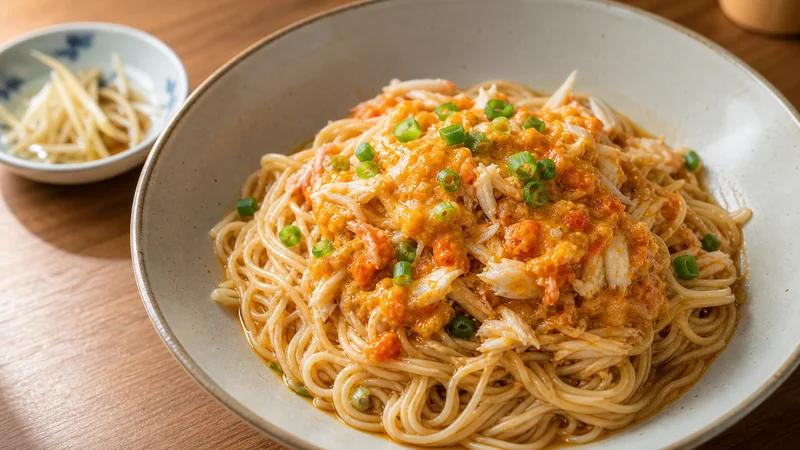
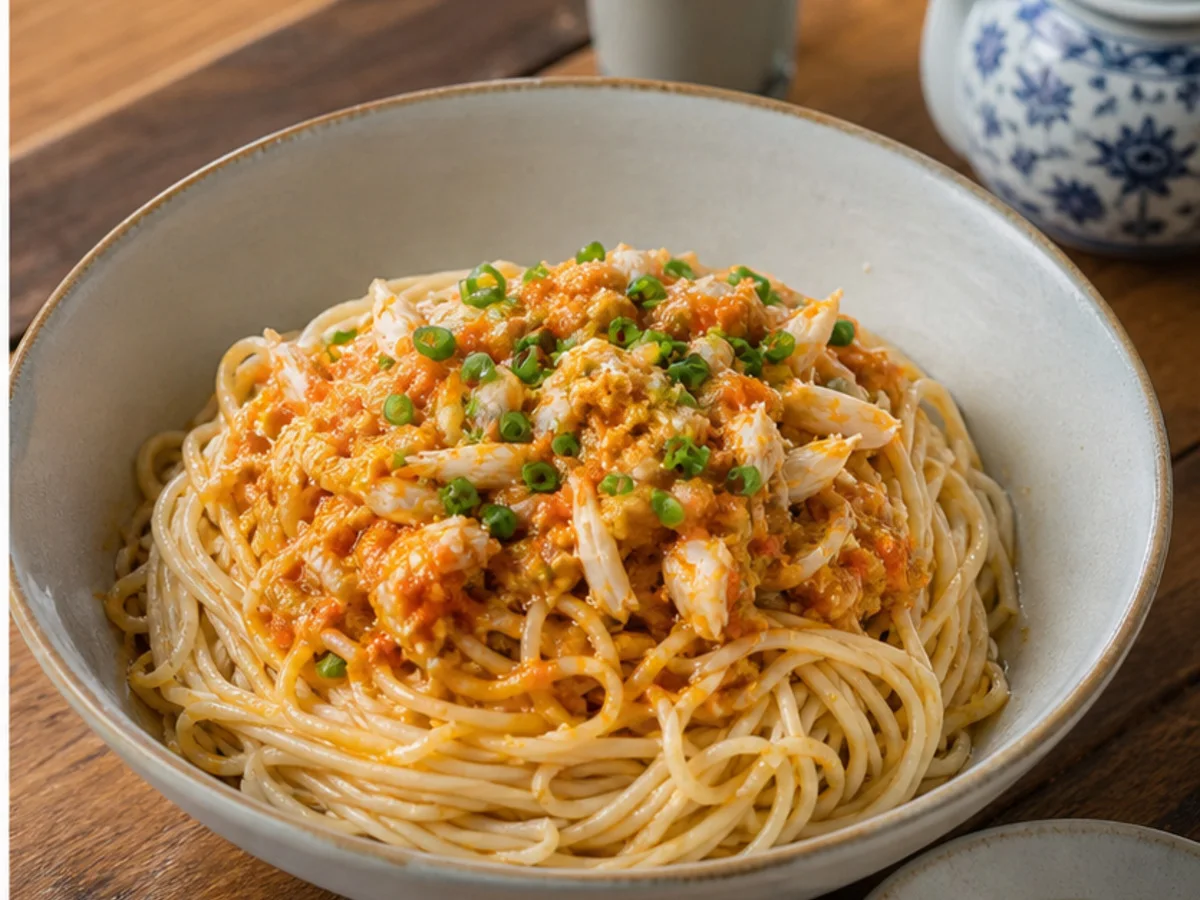
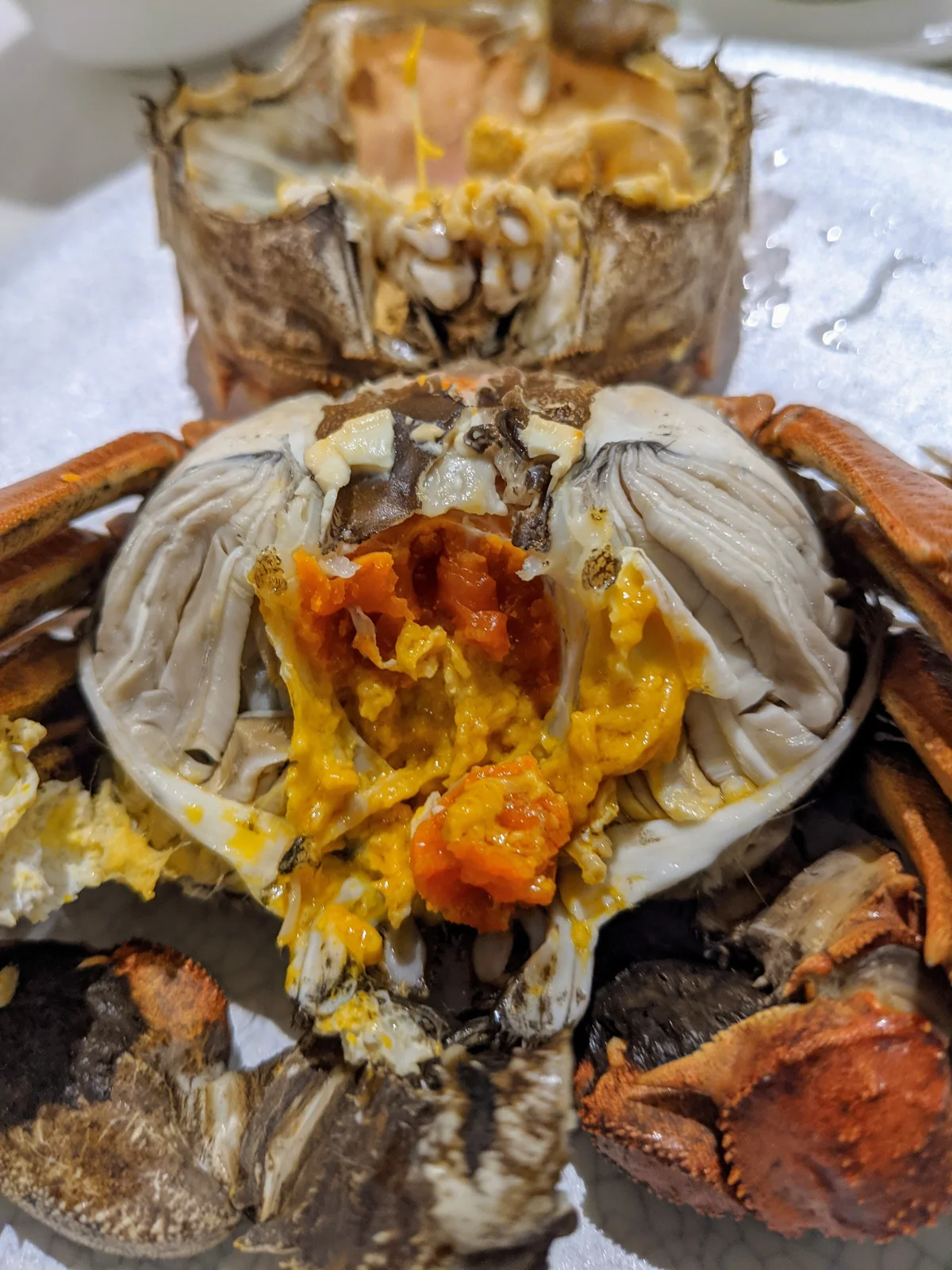
Crab roe noodles are one of the easiest ways to taste Shanghai crab season without committing to a whole hairy crab. The bowl looks simple because the noodles are supposed to stay in the background. The crab roe and crab meat are the reason for ordering it.
That simplicity can make the dish hard to understand from a menu price. Compared with ordinary noodles, crab roe noodles may feel expensive because the topping is seasonal, labor-intensive, and rich in a very concentrated way.
Why Plain Noodles Make Sense
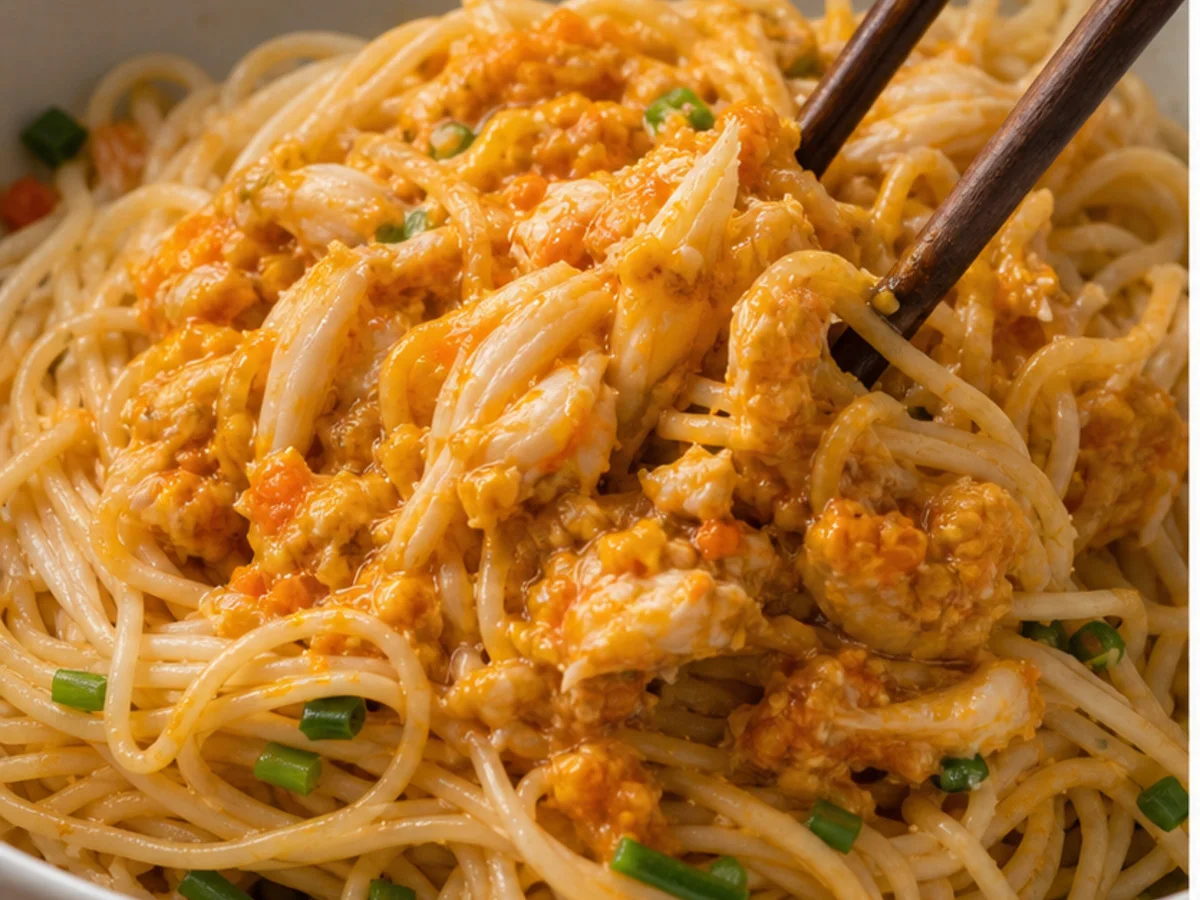
The noodles give chew and structure. They should not compete with the crab. A good bowl lets the roe coat the noodles after mixing, turning the base glossy and aromatic without making it greasy. If the noodles are soft or the topping tastes mostly like oil, the dish loses its point.
Try scallion oil noodles on a different day if you want to understand the plain noodle base from the opposite direction. One dish uses scallion aroma; the other uses crab richness.
How to Order Without Surprise
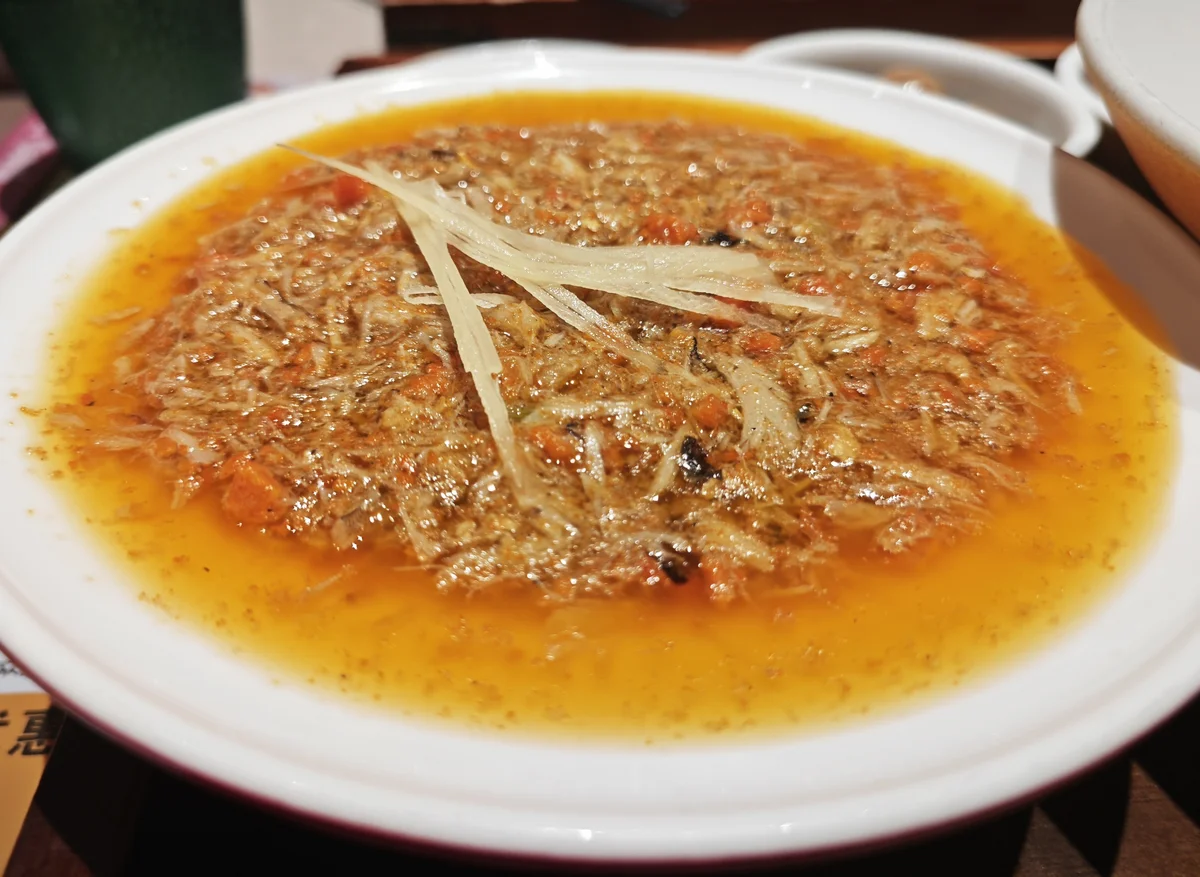
Read the menu carefully. Some bowls emphasize crab meat, some emphasize roe, and some combine both at a higher price. If you are eating with other people, share one bowl as a rich course and build the rest of the meal around lighter dishes.
Where It Fits in Crab Season
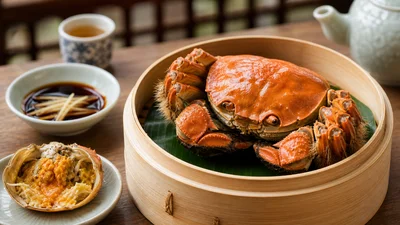
Crab roe noodles sit between whole hairy crab and smaller crab-flavored snacks. They are easier than whole crab, more filling than a tasting plate, and more direct than crab roe xiaolongbao. If your meal already includes crab dumplings, decide whether you want comparison or whether the crab flavor will become repetitive.
What to Notice
- The topping should smell clearly of crab, not only oil.
- The noodles should stay springy after mixing.
- The flavor should be rich but not muddy.
- Price and season are part of the dish, not an afterthought.
Comments (0)