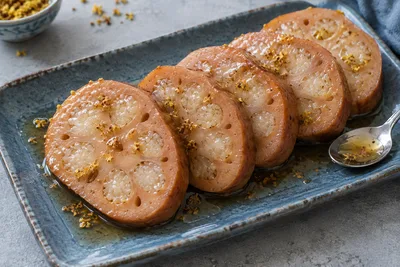
Osmanthus Sticky Rice Lotus Root: A Sweet Shanghai Menu Surprise
Why a sweet lotus-root dish appears among cold starters, what the rice-filled slices taste like, an…
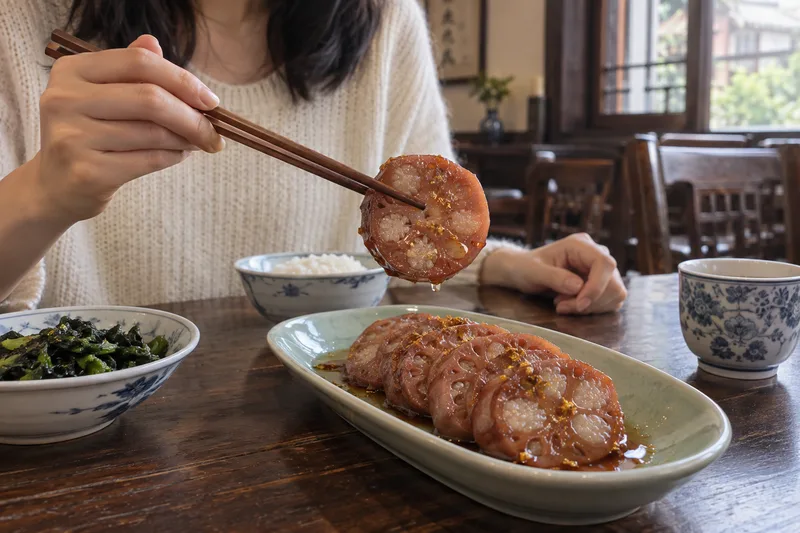
Tender lotus root with rice-filled centers and fragrant osmanthus syrup: a Jiangnan sweet dish that can arrive with the cold starters.
The small rice-filled circles in a slice of guihua nuomi ou are not a decoration added after cooking. They are the natural channels of a lotus root, filled with sticky rice before the root is simmered and cut. Osmanthus syrup brings a floral finish to this sweet Jiangnan dish, which belongs just as comfortably on a Shanghai restaurant table as it does in a conversation about desserts.
Look for 桂花糯米藕, osmanthus lotus root, or lotus root stuffed with glutinous rice. A menu may shorten the name to 糯米藕. If the English description simply says lotus root, check that it is the sweet stuffed version: a savory stir-fry or a crunchy vinegar-dressed lotus salad is a different order.
Although its flavor is dessert-like, it can be served among the opening dishes. You do not have to wait for a Western-style dessert course to try it. If you prefer something sweet at the end, ask the server whether the plate can come later. Temperature and serving order are restaurant choices, not a test of authenticity.
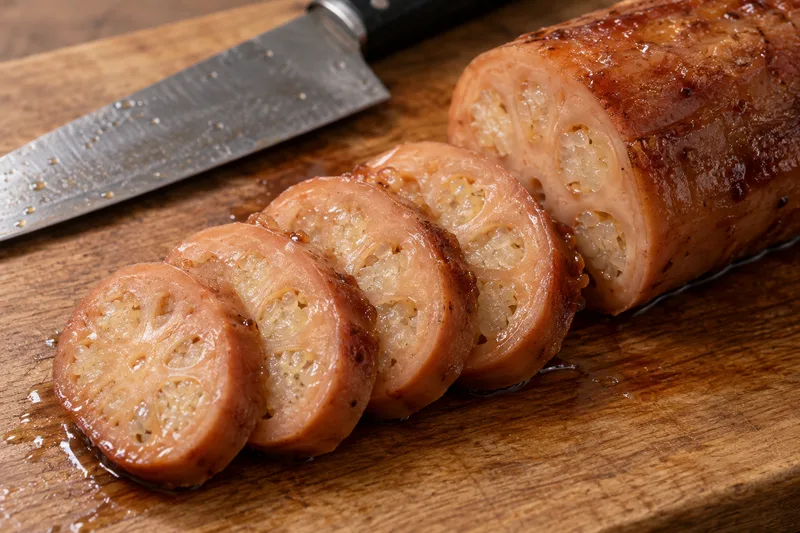
The lotus root supplies the outer structure; sticky rice fills the channels running lengthwise through it. Cooking softens the vegetable and rice together. The cut surface should therefore show little clusters of rice within the root rather than a mound of rice scattered across the top. Syrup gives the slices a sheen, and preserved osmanthus adds fragrance. Color ranges with the sugar and cooking method, so a darker plate is not automatically a better one.
It is a different sort of chew from Shanghai rice cakes. In rice cakes, the rice forms the main body of the food. Here, the vegetable and the filling remain distinct in each bite. That is why this dish can surprise someone expecting crisp lotus root.
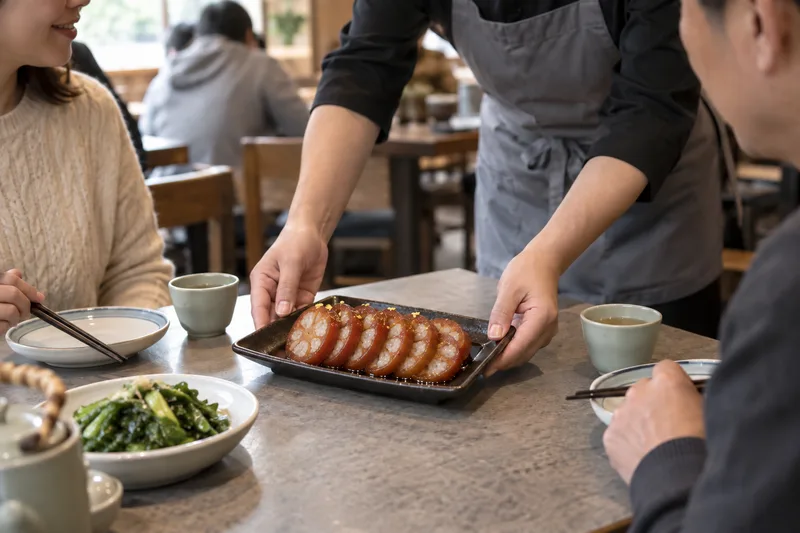
For a first taste, share one small plate rather than ordering a serving for every person. Let it provide the sweet element while the rest of the order stays savory. Delicate crystal shrimp and a plain vegetable dish would make a different meal from a table covered in sweet sauces. These are pairing suggestions, not a prescribed banquet sequence.
On a snack-focused afternoon, choose whether you want something plated or something portable. Butterfly crackers offer crisp pastry for a bakery stop; sticky rice lotus root is better suited to sitting down with a fork or chopsticks. A few slices and an unsweetened drink are enough to appreciate the contrast without treating it as a full meal.
For the menu translations, texture comparison and how it fits alongside savory dishes, see our guide to ordering osmanthus sticky rice lotus root.
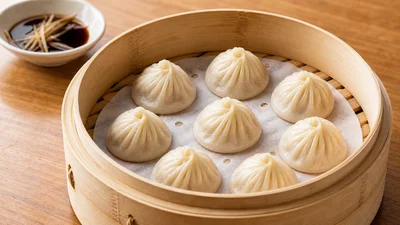
Shanghai xiaolongbao are delicate steamed soup dumplings with thin wrappers, hot broth, pork filling, and a b…
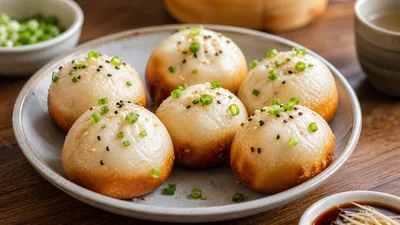
Shanghai shengjian mantou are pan-fried soup buns with soft tops, crisp golden bottoms, sesame, scallions, an…
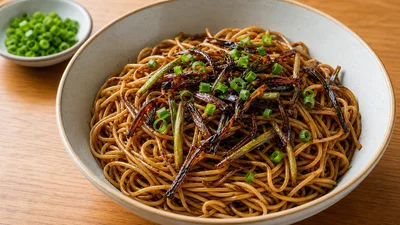
Shanghai scallion oil noodles are thin wheat noodles mixed while hot with fried scallions and soy-based sauce…